


Novel anti-inflammatory mechanisms of N-Acetyl-Ser-Asp-Lys-Pro in hypertension-induced target organ damage
- PMID: 18178715
- PMCID: PMC6824420
- DOI: 10.1152/ajpheart.00305.2007
Novel anti-inflammatory mechanisms of N-Acetyl-Ser-Asp-Lys-Pro in hypertension-induced target organ damage
Abstract
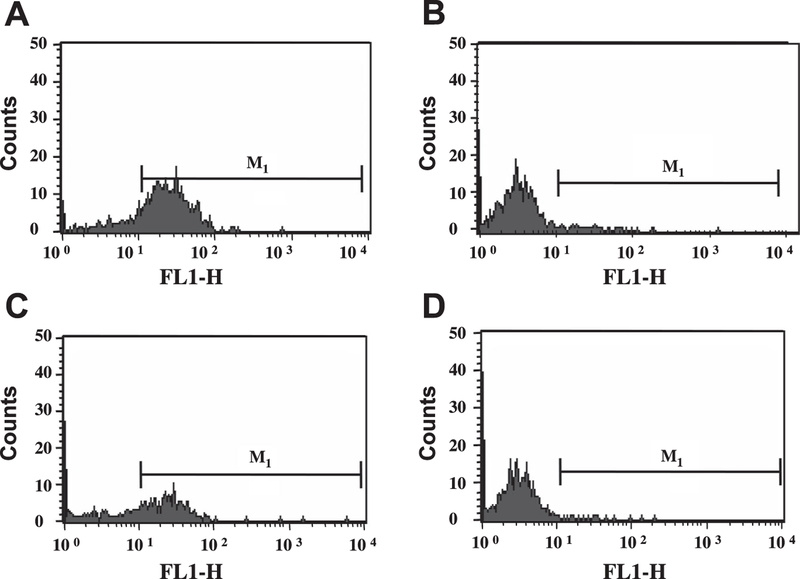
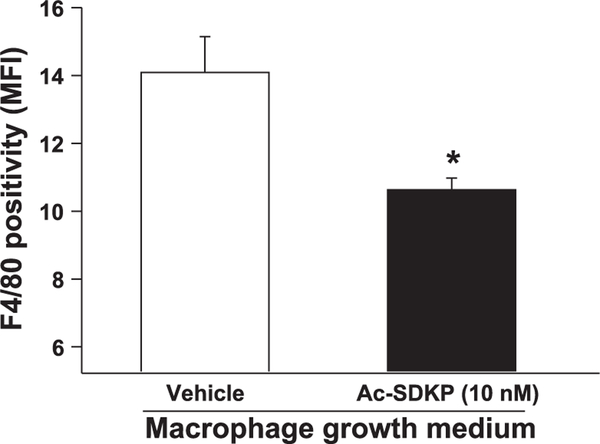
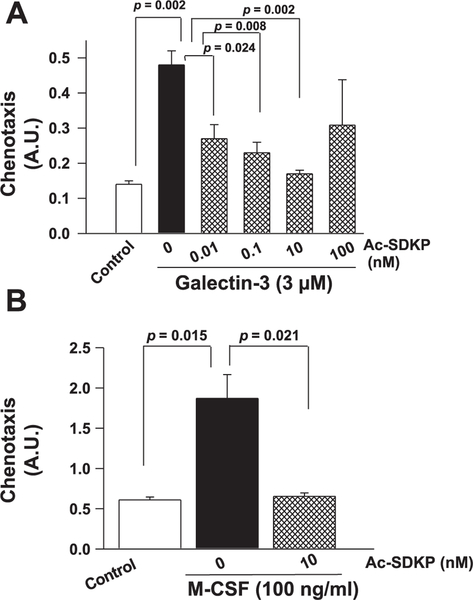
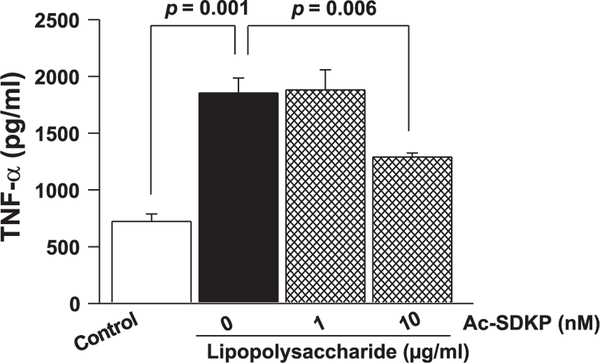
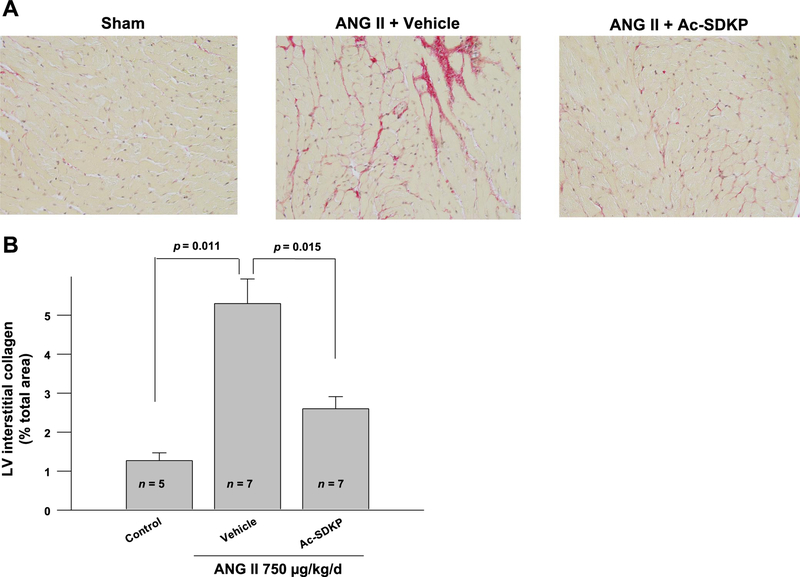
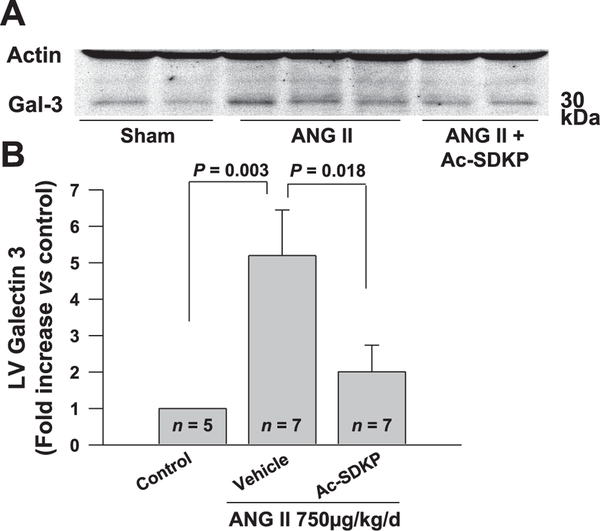
High blood pressure (HBP) is an important risk factor for cardiac, renal, and vascular dysfunction. Excess inflammation is the major pathogenic mechanism for HBP-induced target organ damage (TOD). N-acetyl-Ser-Asp-Lys-Pro (Ac-SDKP), a tetrapeptide specifically degraded by angiotensin converting enzyme (ACE), reduces inflammation, fibrosis, and TOD induced by HBP. Our hypothesis is that Ac-SDKP exerts its anti-inflammatory effects by inhibiting: 1) differentiation of bone marrow stem cells (BMSC) to macrophages, 2) activation and migration of macrophages, and 3) release of the proinflammatory cytokine TNF-alpha by activated macrophages. BMSC were freshly isolated and cultured in macrophage growth medium. Differentiation of murine BMSC to macrophages was analyzed by flow cytometry using F4/80 as a marker of macrophage maturation. Macrophage migration was measured in a modified Boyden chamber. TNF-alpha release by activated macrophages in culture was measured by ELISA. Myocardial macrophage activation in mice with ANG II-induced hypertension was studied by Western blotting of Mac-2 (galectin-3) protein. Interstitial collagen deposition was measured by picrosirius red staining. We found that Ac-SDKP (10 nM) reduced differentiation of cultured BMSC to mature macrophages by 24.5% [F4/80 positivity: 14.09 +/- 1.06 mean fluorescent intensity for vehicle and 10.63 +/- 0.35 for Ac-SDKP; P < 0.05]. Ac-SDKP also decreased galectin-3 and macrophage colony-stimulating factor-dependent macrophage migration. In addition, Ac-SDKP decreased secretion of TNF-alpha by macrophages stimulated with bacterial LPS. In mice with ANG II-induced hypertension, Ac-SDKP reduced expression of galectin-3, a protein produced by infiltrating macrophages in the myocardium, and interstitial collagen deposition. In conclusion, this study demonstrates that part of the anti-inflammatory effect of Ac-SDKP is due to its direct effect on BMSC and macrophage, inhibiting their differentiation, activation, and cytokine release. These effects explain some of the anti-inflammatory and antifibrotic properties of Ac-SDKP in hypertension.
Figures
References
-
- Adams DO, Koren HS. BCG-activated macrophages: comparison as effectors in direct tumor-cell cytotoxicity and antibody dependent cell-mediated cytotoxicity. Adv Exp Med Biol 121B: 195–201, 1979. - PubMed
-
- Azizi M, Ezan E, Nicolet L, Grognet JM, Menard J. High plasma level of N-acetyl-seryl-aspartyl-lysyl-proline: a new marker of chronic angiotensin-converting enzyme inhibition. Hypertension 30: 1015–1019, 1997. - PubMed
-
- Boluyt MO, O’Neill L, Meredith AL, Bing OHL, Brooks WW, Conrad CH, Crow MT, Lakatta EG. Alterations in cardiac gene expression during the transition from stable hypertrophy to heart failure. Marked upregulation of genes encoding extracellular matrix components. Circ Res 75: 23–32, 1994. - PubMed
-
- Bonnet D, Lemoine FM, Najman A, Guigon M. Comparison of the inhibitory effect of AcSDKP, TNF-α, TGF-β, and MIP-1α on marrow-purified CD34 progenitors. Exp Hematol 23: 551–556, 1995. - PubMed
-
- Bonnet D, Lemoine FM, Pontvert-Delucq S, Baillou C, Najman A, Guigon M. Direct and reversible inhibitory effect of the tetrapeptide acetyl-N-Ser-Asp-Lys-Pro (Seraspenide) on the growth of human CD34+ subpopulations in response to growth factors. Blood 82: 3307–3314, 1993. - PubMed
Publication types
MeSH terms
Substances
Grants and funding
LinkOut - more resources
Full Text Sources
Other Literature Sources
Medical
Miscellaneous
