


Effects of visual force feedback on robot-assisted surgical task performance
- PMID: 18179942
- PMCID: PMC2674617
- DOI: 10.1016/j.jtcvs.2007.08.043
Effects of visual force feedback on robot-assisted surgical task performance
Abstract
Objective: Direct haptic (force or tactile) feedback is negligible in current surgical robotic systems. The relevance of haptic feedback in robot-assisted performances of surgical tasks is controversial. We studied the effects of visual force feedback, a haptic feedback surrogate, on tying surgical knots with fine sutures similar to those used in cardiovascular surgery.
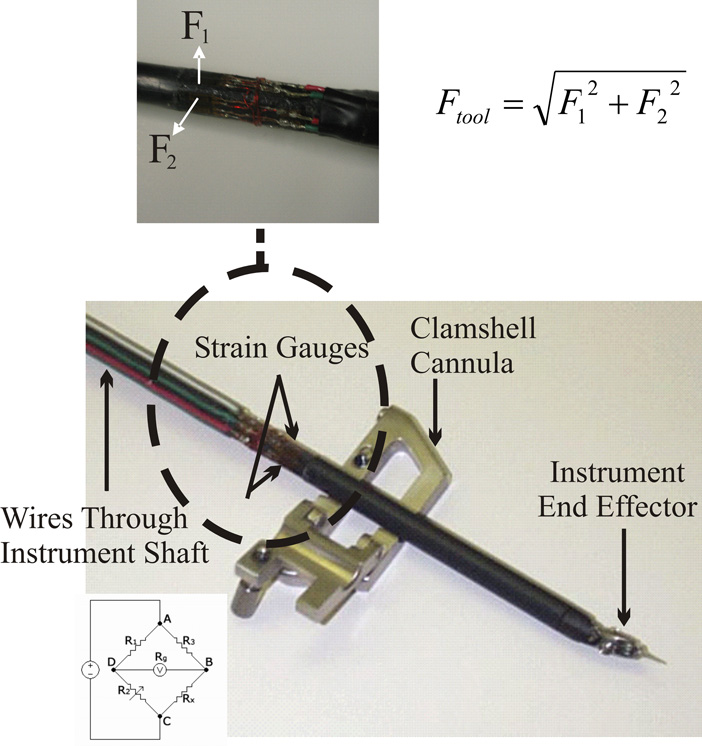
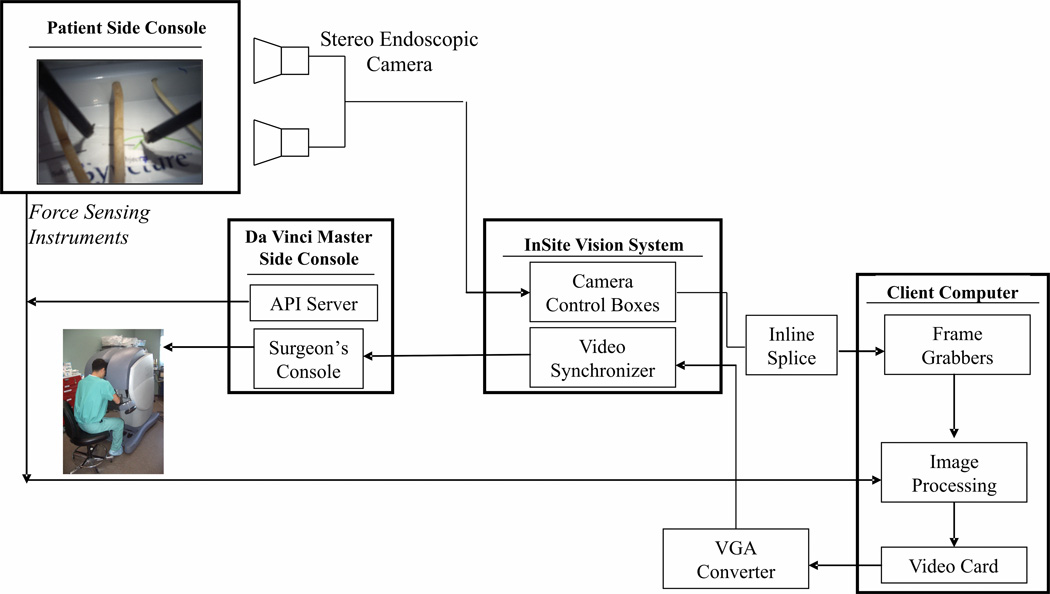
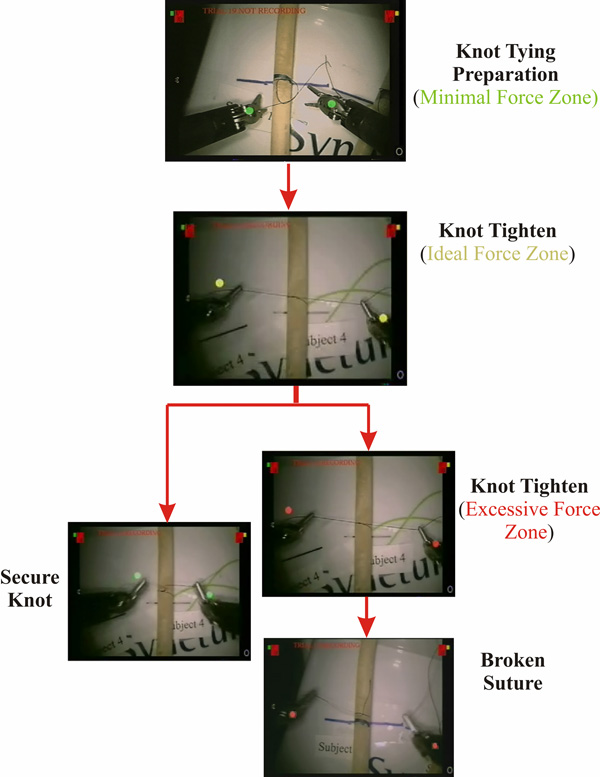
Methods: By using a modified da Vinci robotic system (Intuitive Surgical, Inc, Sunnyvale, Calif) equipped with force-sensing instrument tips and real-time visual force feedback overlays in the console image, 10 surgeons each tied 10 knots with and 10 knots without visual force feedback. Four surgeons had significant prior da Vinci experience, and the remaining 6 surgeons did not. Performance parameters, including suture breakage and secure knots, peak and standard deviation of applied forces, and completion times using 5-0 silk sutures, were recorded. Chi-square and Student t test analyses determined the differences between groups.
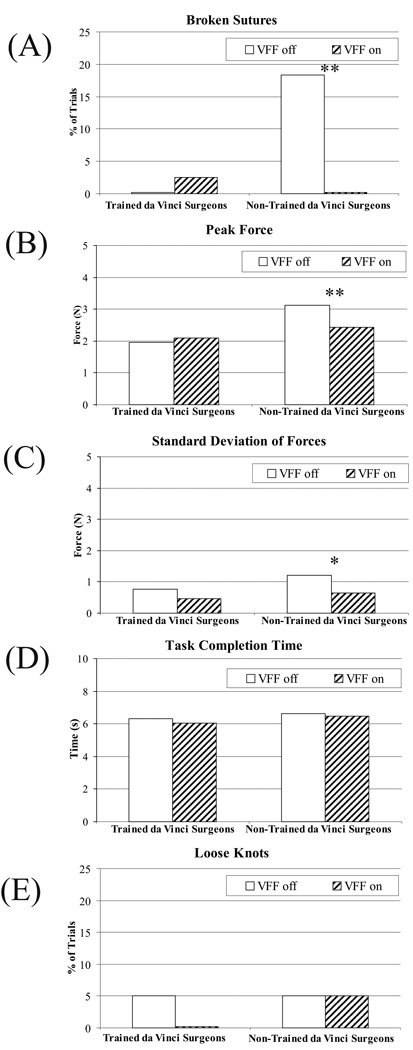
Results: Among surgeon subjects with robotic experience, no differences in measured performance parameters were found between robot-assisted knot ties executed with and without visual force feedback. Among surgeons without robotic experience, however, visual force feedback was associated with lower suture breakage rates, peak applied forces, and standard deviations of applied forces. Visual force feedback did not impart differences in knot completion times or loose knots for either surgeon group.
Conclusions: Visual force feedback resulted in reduced suture breakage, lower forces, and decreased force inconsistencies among novice robotic surgeons, although elapsed time and knot quality were unaffected. In contrast, visual force feedback did not affect these metrics among surgeons experienced with the da Vinci system. These results suggest that visual force feedback primarily benefits novice robot-assisted surgeons, with diminishing benefits among experienced surgeons.
References
-
- Guthart GS, Salisbury JK. The intuitive TM telesurgery system: overview and application. IEEE International Conference on Robotics and Automation; 2000. pp. 618–621.
-
- Chitwood WR. Current status of endoscopic and robotic mitral valve surgery. Ann Thor Surg. 2005;79(6):S2248–S2253. - PubMed
-
- Fleck T, Tschernko E, Hutschala D, et al. Total endoscopic CABG using robotics on beating heart. Heart Surgery Forum. 2005;8(4):E266–E268. - PubMed
-
- Yoshino I, Hashizume M, Shimada M, et al. Thoracoscopic thymectomy with the da Vinci computer-enhanced surgical system. J Thorac Cardiovasc Surg. 2001;122(4):783–785. - PubMed
-
- Kitagawa M, Dokko D, Okamura AM, Yuh DD. Effect of sensory substitution on suture manipulation forces for robotic surgical systems. J Thorac Cardiovasc Surg. 2005;129(1):151–158. - PubMed
Publication types
MeSH terms
Grants and funding
LinkOut - more resources
Full Text Sources
Other Literature Sources
