


Polypyrimidine tract binding protein controls the transition from exon definition to an intron defined spliceosome
- PMID: 18193060
- PMCID: PMC2546704
- DOI: 10.1038/nsmb.1375
Polypyrimidine tract binding protein controls the transition from exon definition to an intron defined spliceosome
Abstract
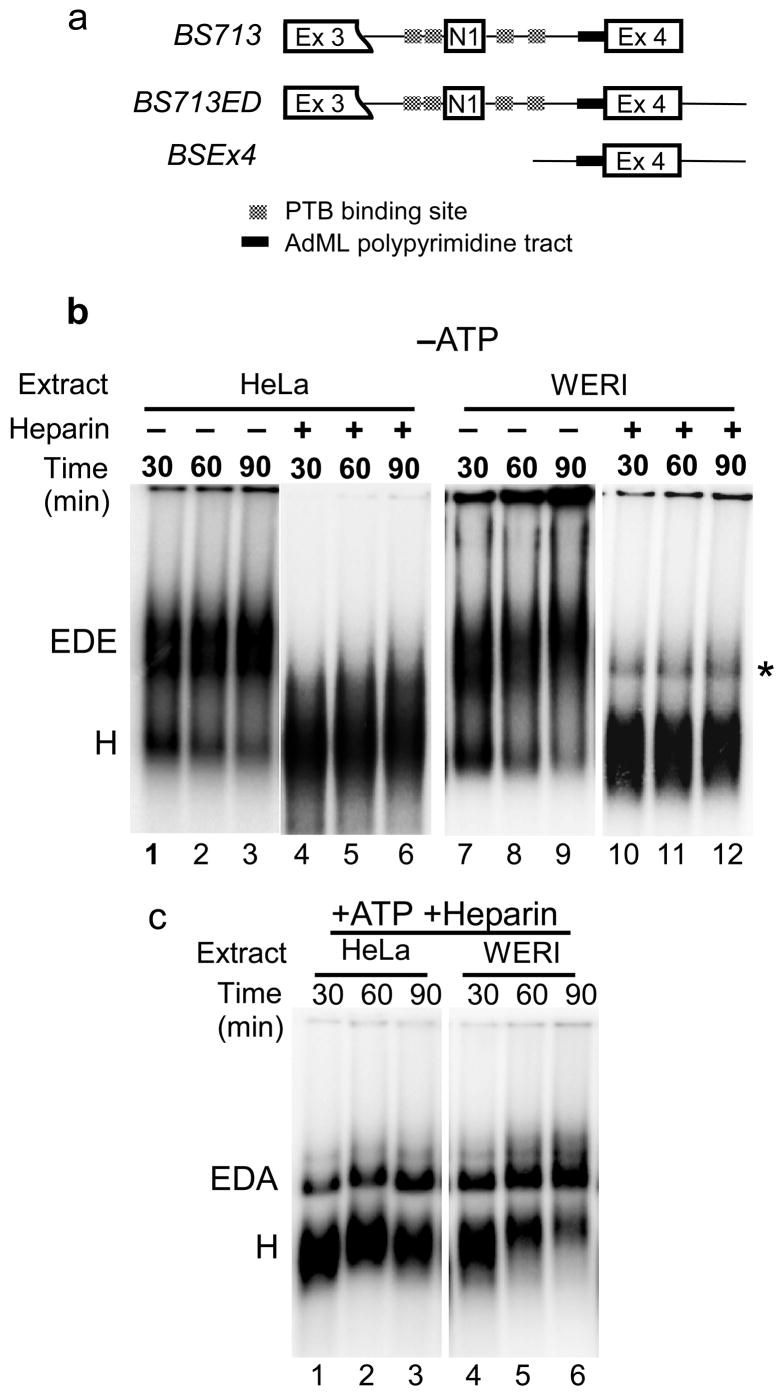
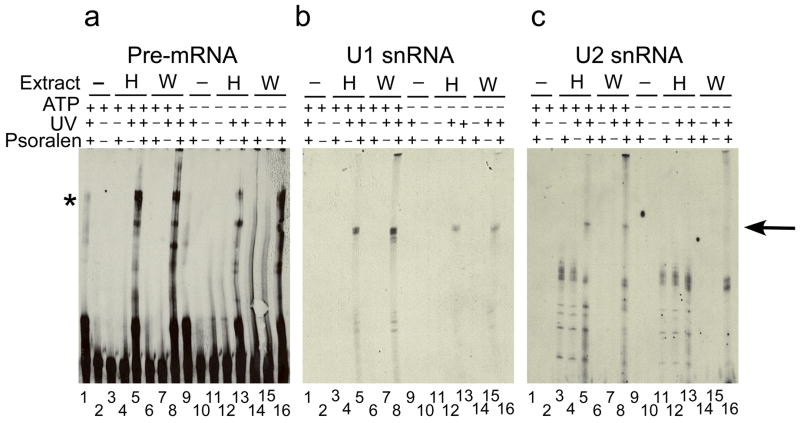
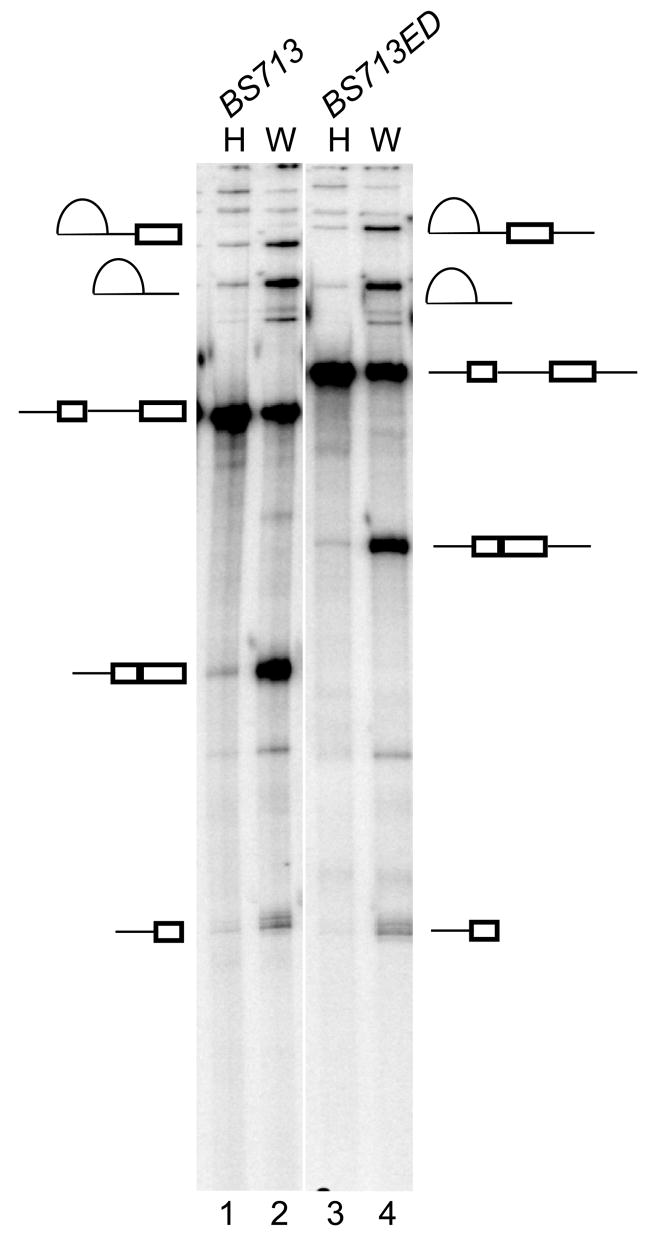
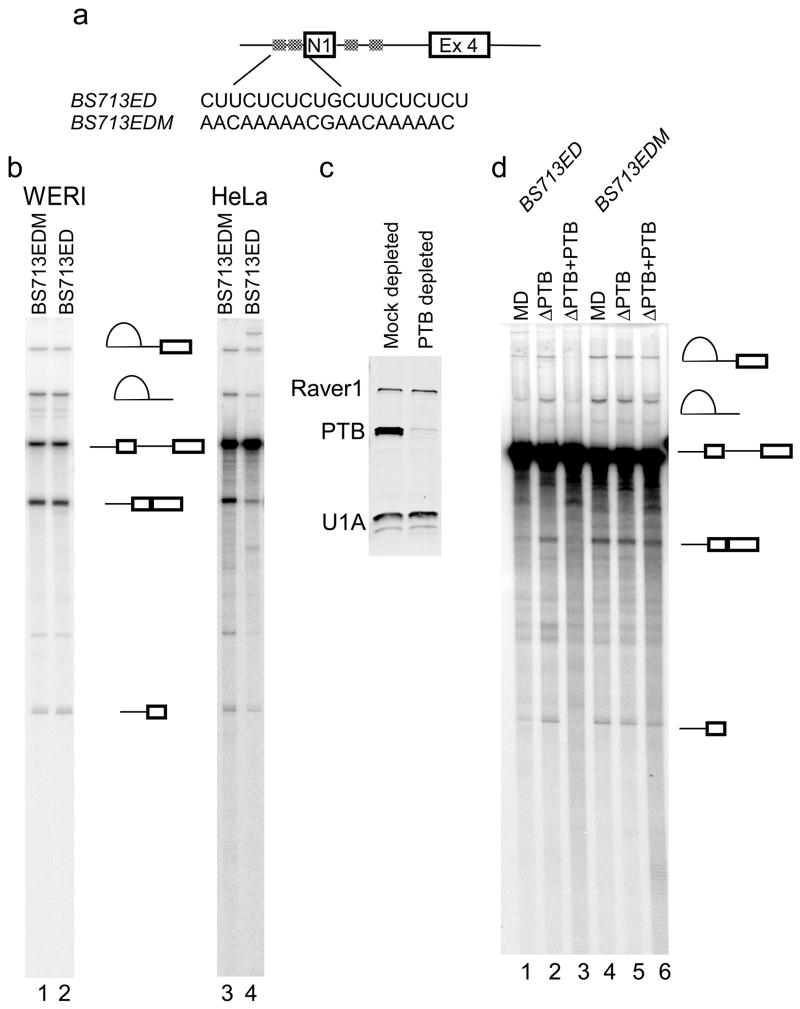
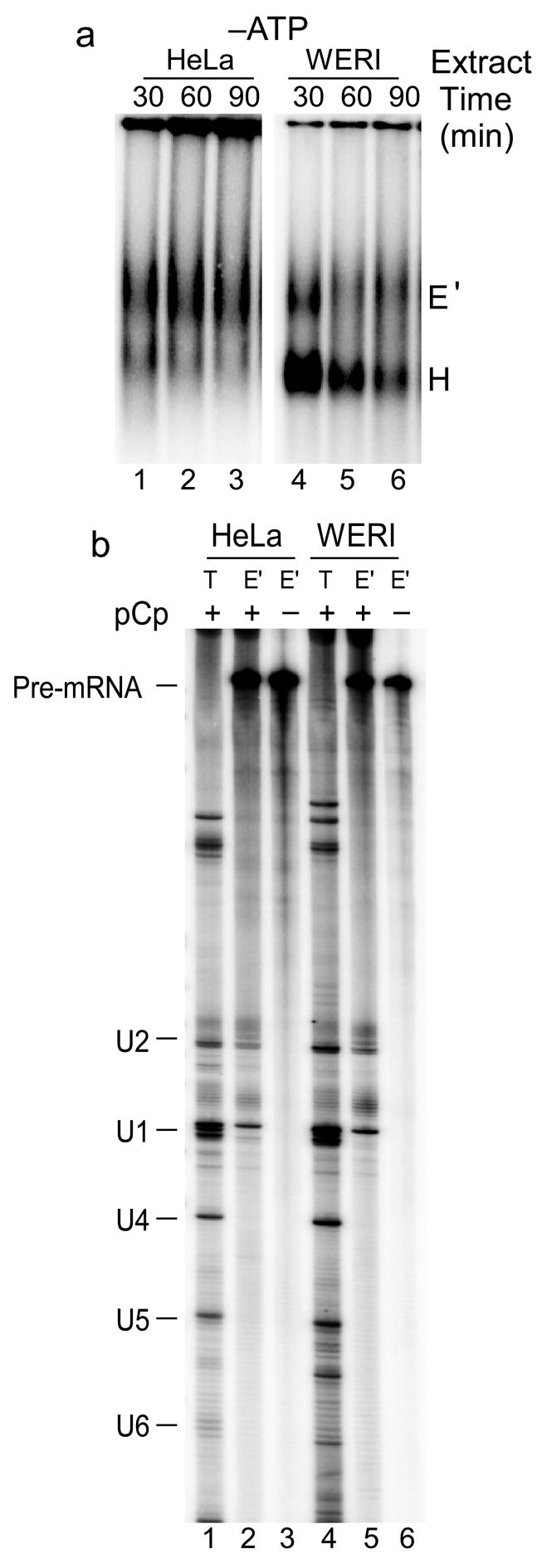
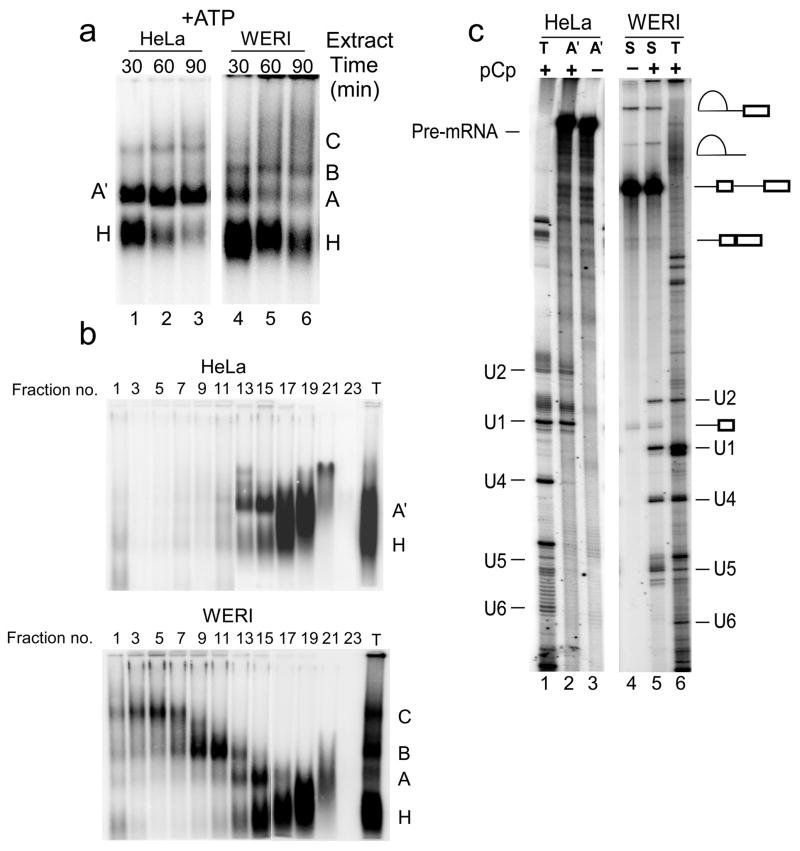
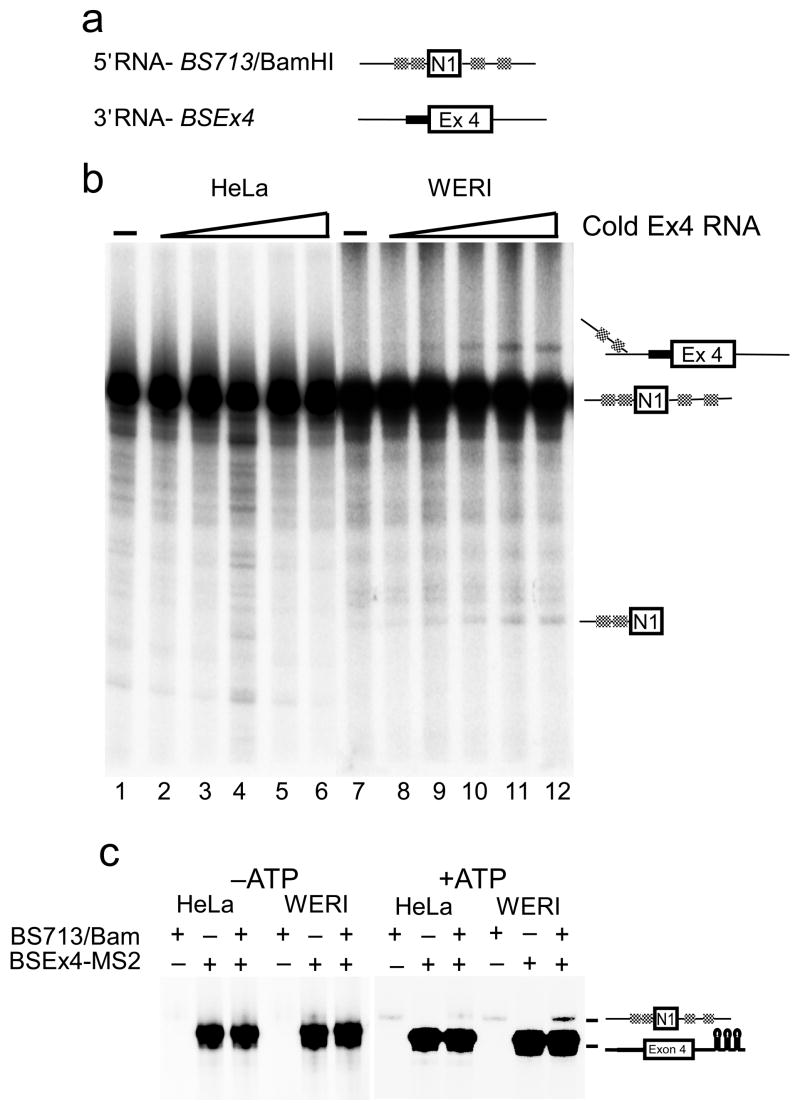
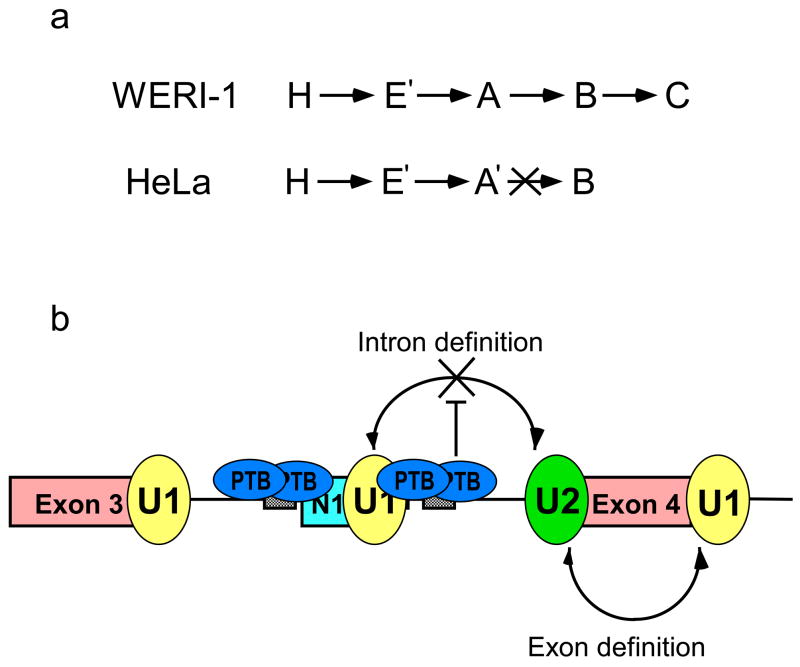
The polypyrimidine tract binding protein (PTB) binds pre-mRNAs to alter splice-site choice. We characterized a series of spliceosomal complexes that assemble on a pre-mRNA under conditions of either PTB-mediated splicing repression or its absence. In the absence of repression, exon definition complexes that were assembled downstream of the regulated exon could progress to pre-spliceosomal A complexes and functional spliceosomes. Under PTB-mediated repression, assembly was arrested at an A-like complex that was unable to transition to spliceosomal complexes. Trans-splicing experiments indicated that, even when the U1 and U2 small nuclear ribonucleoprotein particles (snRNPs) are properly bound to the upstream and downstream exons, the presence of PTB prevents the interaction of the two exon complexes. Proteomic analyses of these complexes provide a new description of exon definition complexes, and indicate that splicing regulators can act on the transition between the exon definition complex and an intron-defined spliceosome.
Figures
References
-
- Smith CW, Valcarcel J. Alternative pre-mRNA splicing: the logic of combinatorial control. Trends Biochem Sci. 2000;25:381–8. - PubMed
-
- Li Q, Lee JA, Black DL. Neuronal regulation of alternative pre-mRNA splicing. Nat Rev Neurosci. 2007 - PubMed
-
- Shin C, Manley JL. Cell signalling and the control of pre-mRNA splicing. Nat Rev Mol Cell Biol. 2004;5:727–38. - PubMed
-
- Matlin AJ, Clark F, Smith CW. Understanding alternative splicing: towards a cellular code. Nature. 2005;6:386–398. - PubMed
-
- Black DL. Mechanisms of alternative pre-messenger RNA splicing. Annu Rev Biochem. 2003;72:291–336. - PubMed
Publication types
MeSH terms
Substances
Grants and funding
LinkOut - more resources
Full Text Sources
Other Literature Sources
