


Allograft-prosthetic composite in the proximal tibia after bone tumor resection
- PMID: 18196432
- PMCID: PMC2505118
- DOI: 10.1007/s11999-007-0055-9
Allograft-prosthetic composite in the proximal tibia after bone tumor resection
Abstract
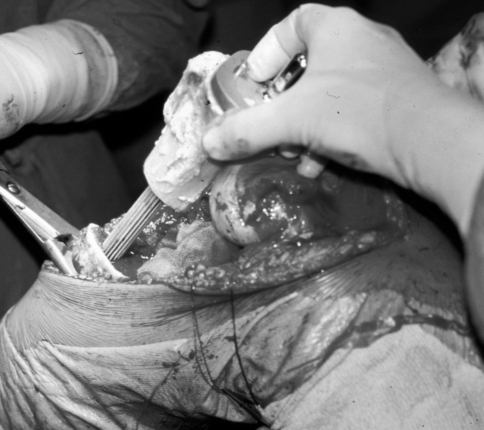
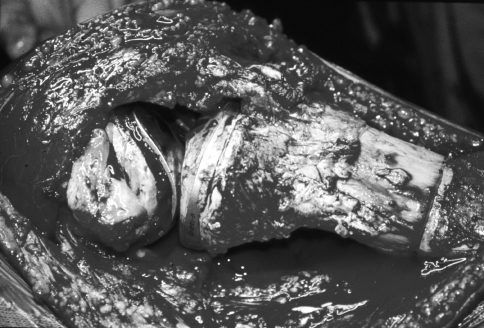
We consider an allograft-prosthesis composite in the proximal tibia one of the better reconstructive options in this site because it combines the mechanical stability of a prosthesis with the biologic reconstruction of the extensor mechanism. We retrospectively reviewed 62 patients who had proximal tibia reconstructions with allograft-prosthesis composites to ascertain the complications and functional outcomes. By combining an allograft with a prosthesis, placing cement in the graft, and press-fitting the prosthesis in the tibial diaphysis, we obtained satisfactory Musculoskeletal Tumor Society scores in 90.4% of patients, with a 5-year survival rate (73.4%) comparable to that of reconstruction with a modular prosthesis. However, we observed high infection rates (24.2%) and rotation of the medial gastrocnemius seemed not to reduce this complication. For this reason, we do not recommend using this reconstructive technique in patients who will receive postoperative chemotherapy or in patients in whom a previous reconstructive method failed. We believe the ideal candidate is the young patient with a benign aggressive or malignant low-grade tumor who has not undergone previous surgery.
Level of evidence: Level IV, therapeutic study. See the Guidelines for Authors for a complete description of levels of evidence.
Figures



References
-
- Brien EW, Terek RM, Healey JH, Lane JM. Allograft reconstruction after proximal tibial resection for bone tumors: an analysis of function and outcome comparing allograft and prosthetic reconstructions. Clin Orthop Relat Res. 1994;303:116–127. - PubMed
-
- Campanacci M, Costa P. Total resection of distal femur or proximal tibia for bone tumours: autogenous bone grafts and arthrodesis in twenty-six cases. J Bone Joint Surg Br. 1979;61:455–464. - PubMed
MeSH terms
LinkOut - more resources
Full Text Sources
Medical
