Towards safer treatments for benign anorectal disease: the pharmacological manipulation of the internal anal sphincter
- PMID: 18201470
- PMCID: PMC2121247
- DOI: 10.1308/003588407X205576
Towards safer treatments for benign anorectal disease: the pharmacological manipulation of the internal anal sphincter
Abstract
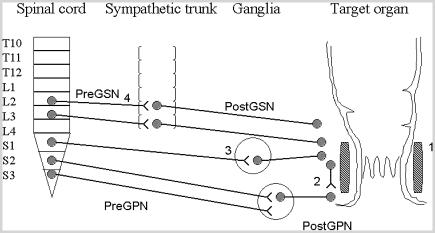
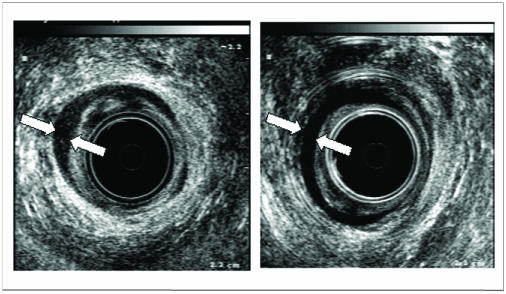
Introduction: The internal anal sphincter (IAS) is an important structure that is responsible for the majority of resting tone of the sphincter complex. It has a central role in continence and damage to the muscle has serious implications. Injury is most frequently from obstetric trauma though iatrogenic injury from proctological surgery is also common. This review expands on how developments in understanding of the pharmacology of IAS might identify drug treatments as alternatives for proctological conditions such as anal fissure, avoiding the risk of sphincter injury. It also examines the role of pharmacology in treatment of those patients with established incontinence.
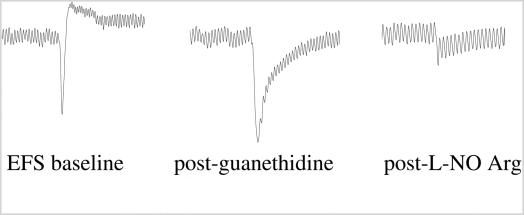
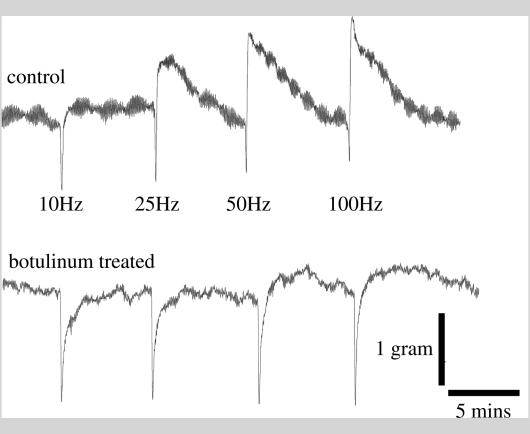
Results: Much of the basic physiology and pharmacology of the IAS has been established through in vitro analysis, particularly in the superfusion organ bath. Further analysis has been undertaken using animal models such the pig. Clinical trials have established the efficacy of a number of agents for reducing IAS tone including glyceryl trinitrate and botulinum toxin. These drugs are probably safer, but less effective, than surgery for sphincter spasm, as is seen in anal fissure, though surgery alone or in combination with drug treatment may be appropriate for some patients. In vitro analysis and small-scale clinical trials suggest that phenylephrine and methoxamine may have a role in treating patients with incontinence primarily attributable to inadequate IAS function.
Conclusions: The pharmacology of IAS has been extensively studied in the laboratory, both in vitro and in animal models. In a short time, this laboratory work has been applied to clinical problems after testing in clinical trials. It is likely, however, that the best drugs and the optimal targets for manipulation have not yet been identified.
Figures
References
-
- Brading AF, Sibley GNA. A superfusion apparatus to study field stimulation of smooth muscle from mammalian urinary bladder. J Physiol. 1982;334:11–12P.
-
- Jones OM, Brading AF, Mortensen NJMcC. The role of nitric oxide in anorectal function of normal and nitric oxide synthase knockout mice. Dis Colon Rectum. 2003;46:963–70. - PubMed
-
- Brodie BC. Lectures on diseases of the rectum; lecture III; preternatural contraction of the sphincter ani. London Medical Gazette. 1835;16:26–31.
-
- Gibbons CP, Read NW. Anal hypertonia in fissures: cause or effect? Br J Surg. 1986;73:443–5. - PubMed
Publication types
MeSH terms
Substances
LinkOut - more resources
Full Text Sources
Medical