


Nitrated alpha-synuclein and microglial neuroregulatory activities
- PMID: 18202920
- PMCID: PMC2430927
- DOI: 10.1007/s11481-008-9100-z
Nitrated alpha-synuclein and microglial neuroregulatory activities
Abstract
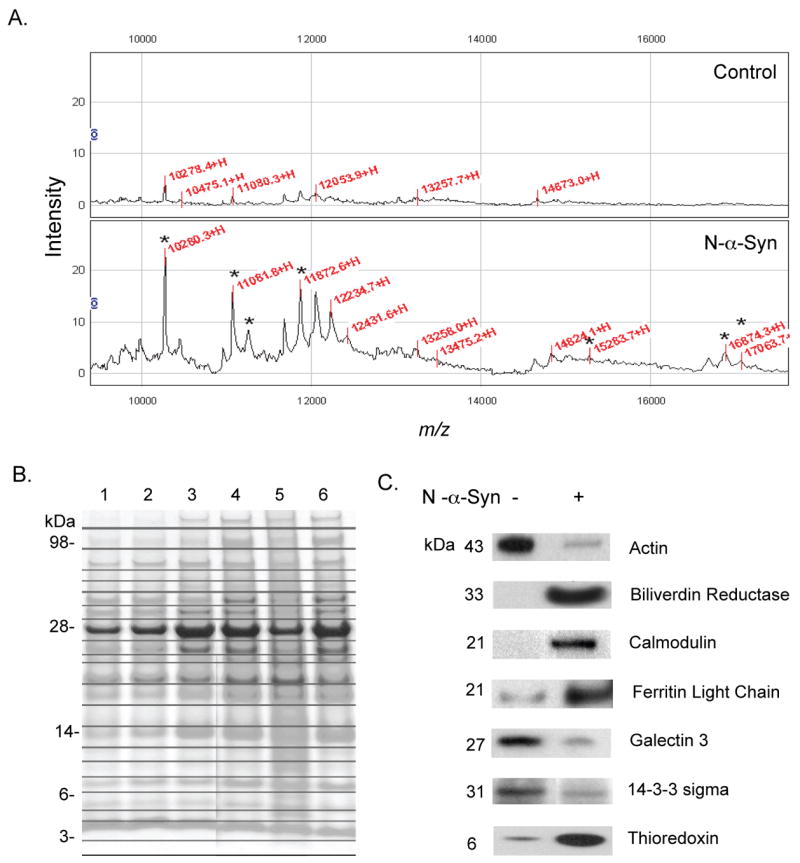
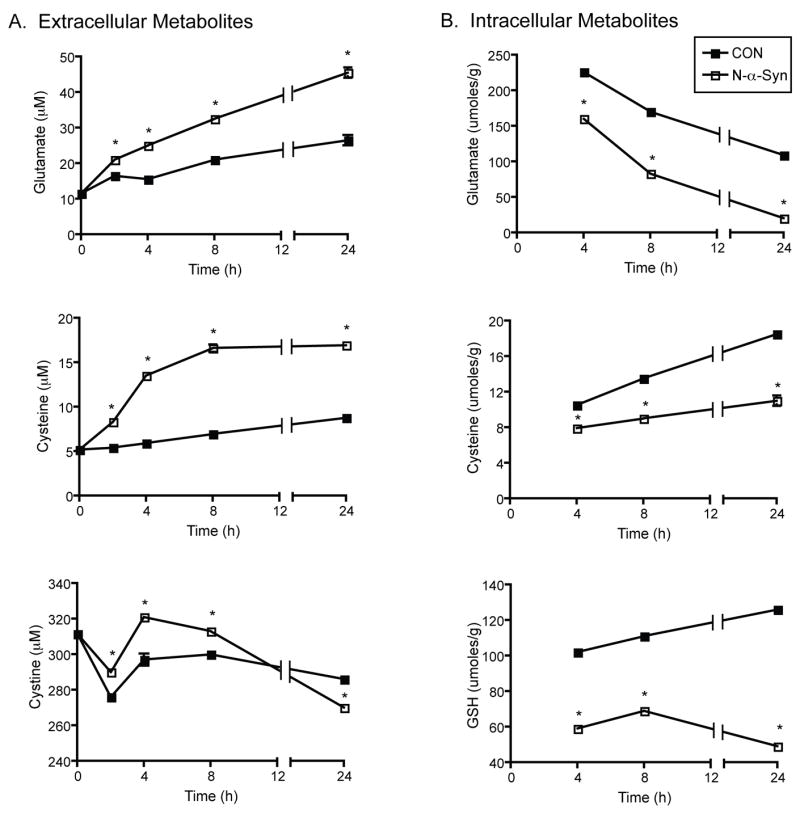
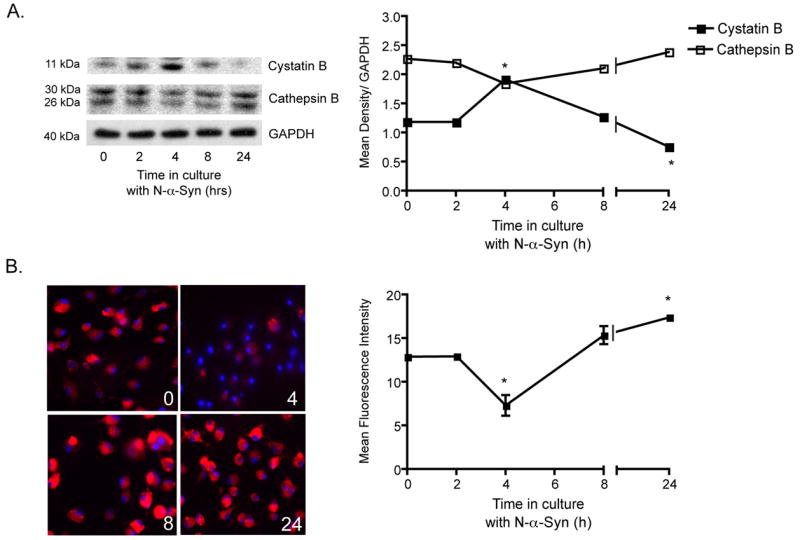
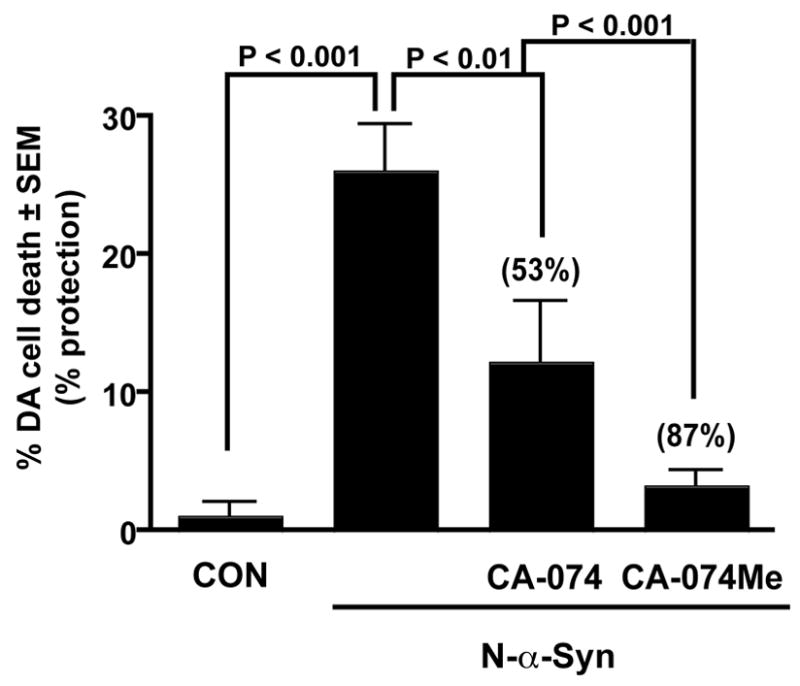
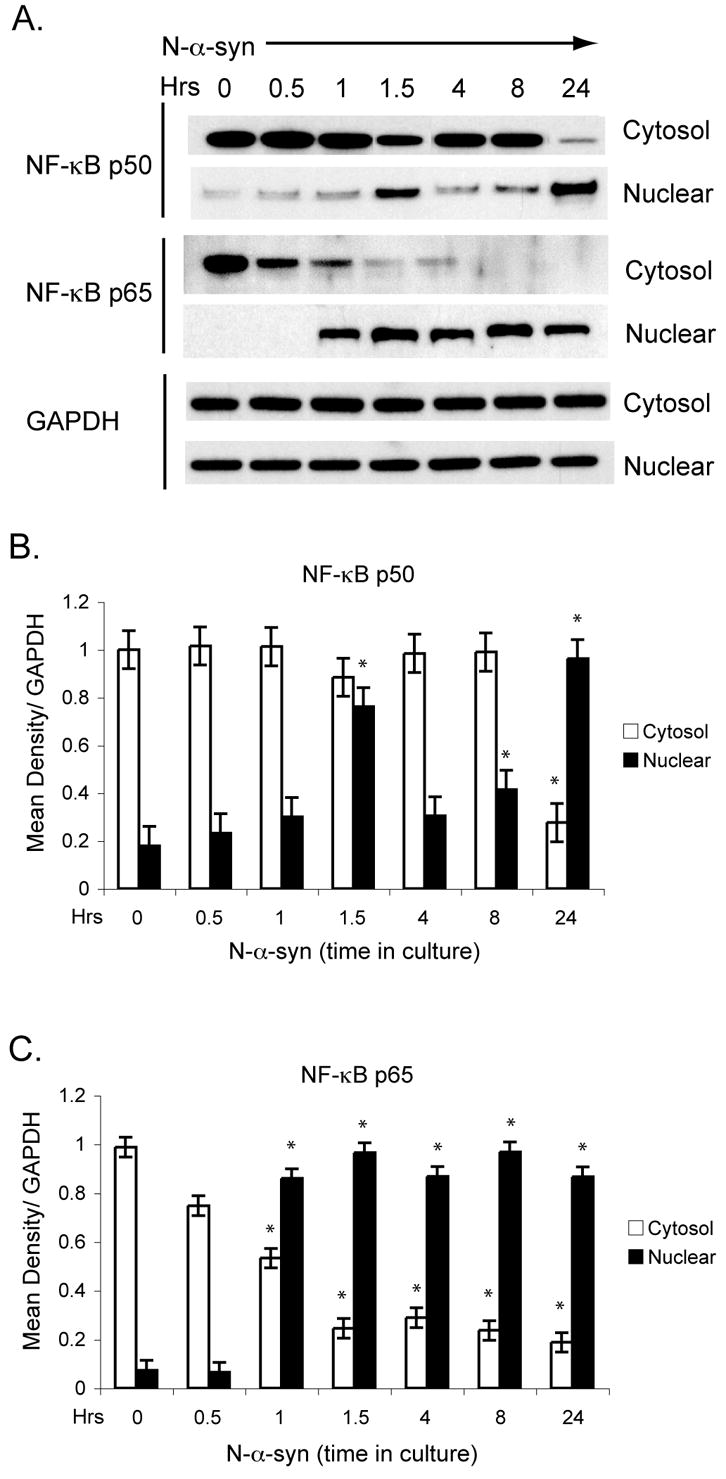
Microglial neuroinflammatory responses affect the onset and progression of Parkinson's disease (PD). We posit that such neuroinflammatory responses are, in part, mediated by microglial interactions with nitrated and aggregated alpha-synuclein (alpha-syn) released from Lewy bodies as a consequence of dopaminergic neuronal degeneration. As disease progresses, secretions from alpha-syn-activated microglia can engage neighboring glial cells in a cycle of autocrine and paracrine amplification of neurotoxic immune products. Such pathogenic processes affect the balance between a microglial neurotrophic and neurotoxic signature. We now report that microglia secrete both neurotoxic and neuroprotective factors after exposure to nitrated alpha-syn (N-alpha-syn). Proteomic (surface enhanced laser desorption-time of flight, 1D sodium dodecyl sulfate electrophoresis, and liquid chromatography-tandem mass spectrometry) and limited metabolomic profiling demonstrated that N-alpha-syn-activated microglia secrete inflammatory, regulatory, redox-active, enzymatic, and cytoskeletal proteins. Increased extracellular glutamate and cysteine and diminished intracellular glutathione and secreted exosomal proteins were also demonstrated. Increased redox-active proteins suggest regulatory microglial responses to N-alpha-syn. These were linked to discontinuous cystatin expression, cathepsin activity, and nuclear factor-kappa B activation. Inhibition of cathepsin B attenuated, in part, N-alpha-syn microglial neurotoxicity. These data support multifaceted microglia functions in PD-associated neurodegeneration.
Figures
References
-
- Agarraberes FA, Dice JF. A molecular chaperone complex at the lysosomal membrane is required for protein translocation. J Cell Sci. 2001;114:2491–2499. - PubMed
-
- Ahn TB, Jeon BS. Protective role of heat shock and heat shock protein 70 in lactacystin-induced cell death both in the rat substantia nigra and PC12 cells. Brain Res. 2006;1087:159–167. - PubMed
-
- Auluck PK, Chan HY, Trojanowski JQ, Lee VM, Bonini NM. Chaperone suppression of alpha-synuclein toxicity in a Drosophila model for Parkinson's disease. Science. 2002;295:865–868. - PubMed
-
- Bai J, Nakamura H, Hattori I, Tanito M, Yodoi J. Thioredoxin suppresses 1-methyl-4-phenylpyridinium-induced neurotoxicity in rat PC12 cells. Neurosci Lett. 2002;321:81–84. - PubMed
-
- Baldi A, Lombardi D, Russo P, Palescandolo E, De Luca A, Santini D, Baldi F, Rossiello L, Dell'Anna ML, Mastrofrancesco A, Maresca V, Flori E, Natali PG, Picardo M, Paggi MG. Ferritin contributes to melanoma progression by modulating cell growth and sensitivity to oxidative stress. Clin Cancer Res. 2005;11:3175–3183. - PubMed
Publication types
MeSH terms
Substances
Grants and funding
LinkOut - more resources
Full Text Sources
Other Literature Sources
Miscellaneous
