


Diet-induced obesity alters protein synthesis: tissue-specific effects in fasted versus fed mice
- PMID: 18249206
- PMCID: PMC2323208
- DOI: 10.1016/j.metabol.2007.10.009
Diet-induced obesity alters protein synthesis: tissue-specific effects in fasted versus fed mice
Abstract
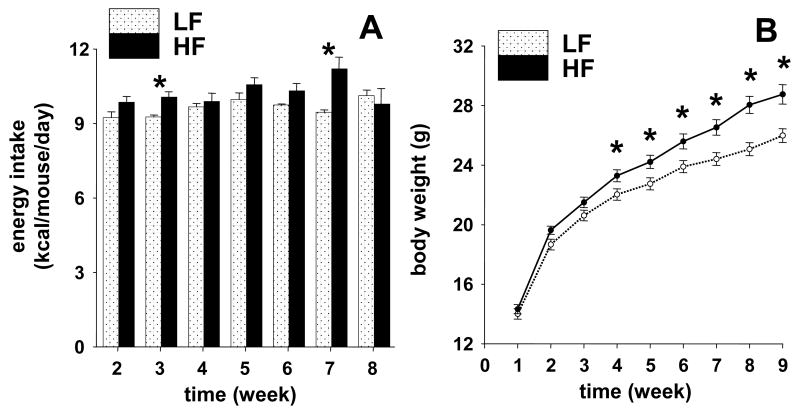
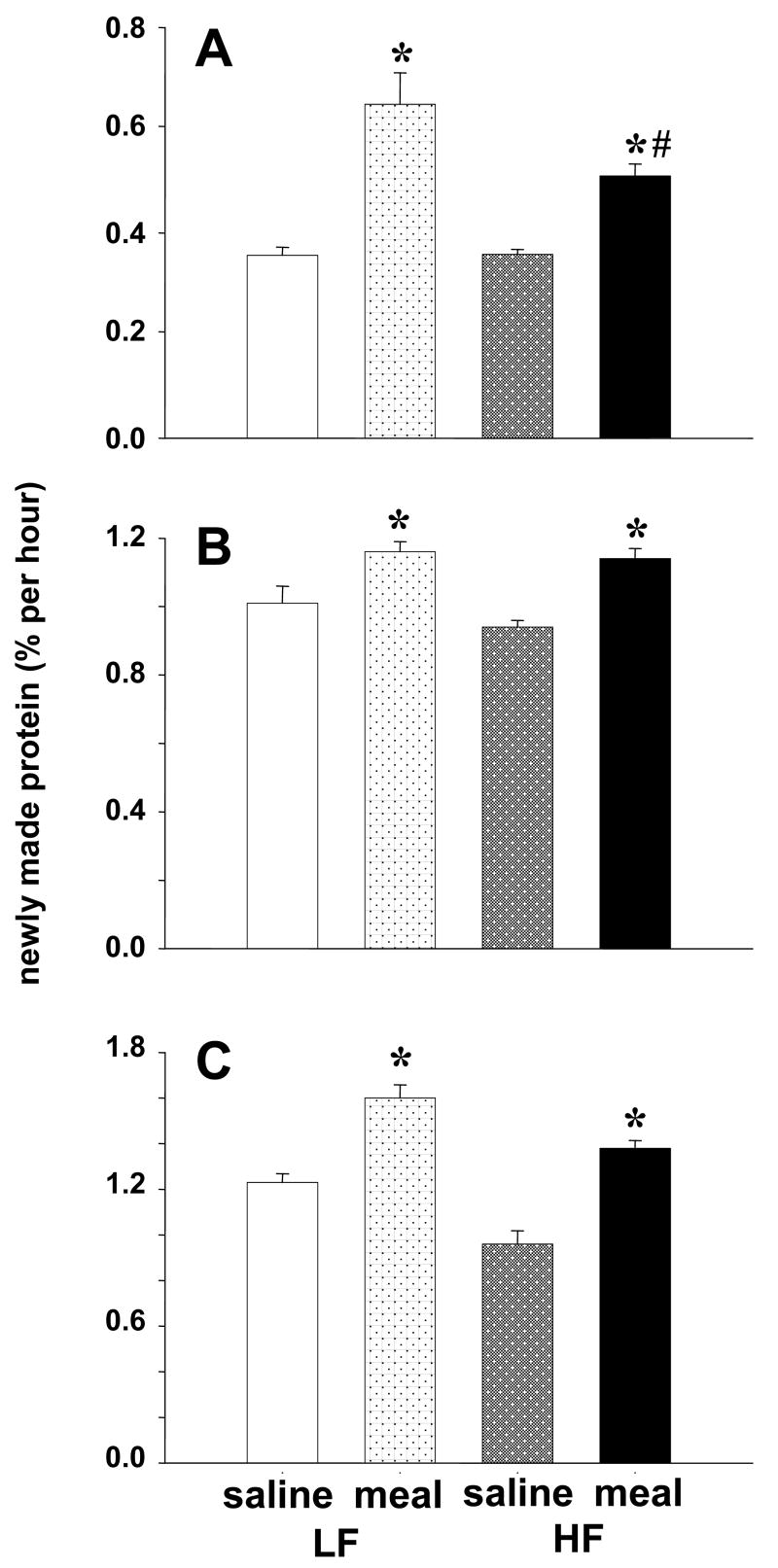
The influence of obesity on protein dynamics is not clearly understood. We have designed experiments to test the hypothesis that obesity impairs the stimulation of tissue-specific protein synthesis after nutrient ingestion. C57BL/6J mice were randomized into 2 groups: group 1 (control, n = 16) was fed a low-fat, high-carbohydrate diet, whereas group 2 (experimental, n = 16) was fed a high-fat, low-carbohydrate diet ad libitum for 9 weeks. On the experiment day, all mice were fasted for 6 hours and given an intraperitoneal injection of (2)H(2)O. They were then randomized into 2 subgroups and either given a sham saline gavage or a liquid-meal challenge. Rates of protein synthesis were determined via the incorporation of [(2)H]alanine (5 hours postchallenge) into total gastrocnemius muscle protein, total liver protein, and plasma albumin. High-fat feeding led to an increase in total body fat (P < .001) and epididymal fat pad weights (P < .001) and elevated fasting plasma glucose levels (P < .01). Diet-induced obesity (a) did not affect basal rates of skeletal muscle protein synthesis, but did impair the activation of skeletal muscle protein synthesis in response to nutrient ingestion (P < .05), and (b) slightly reduced basal rates of synthesis of total hepatic proteins and plasma albumin (P = .10), but did not affect the synthesis of either in response to the meal challenge. In conclusion, there are alterations in tissue-specific protein metabolism in the C57BL/6J mouse model of diet-induced obesity. This model may prove to be helpful in future studies that explore the mechanisms that account for altered protein dynamics in obesity.
Figures
References
-
- Hedley AA, Ogden CL, Johnson CL, et al. Prevalence of overweight and obesity among US children, adolescents, and adults, 1999-2002. JAMA. 2004;291:2847–2850. - PubMed
-
- Mokdad AH, Bowman BA, Ford ES, et al. The continuing epidemics of obesity and diabetes in the United States. JAMA. 2001;286:1195–1200. - PubMed
-
- Solini A, Bonora E, Bonadonna R, et al. Protein metabolism in human obesity: relationship with glucose and lipid metabolism and with visceral adipose tissue. J Clin Endocrinol Metab. 1997;82:2552–2558. - PubMed
Publication types
MeSH terms
Substances
Grants and funding
LinkOut - more resources
Full Text Sources
Medical
