


Central effects of stress hormones in health and disease: Understanding the protective and damaging effects of stress and stress mediators
- PMID: 18282566
- PMCID: PMC2474765
- DOI: 10.1016/j.ejphar.2007.11.071
Central effects of stress hormones in health and disease: Understanding the protective and damaging effects of stress and stress mediators
Abstract
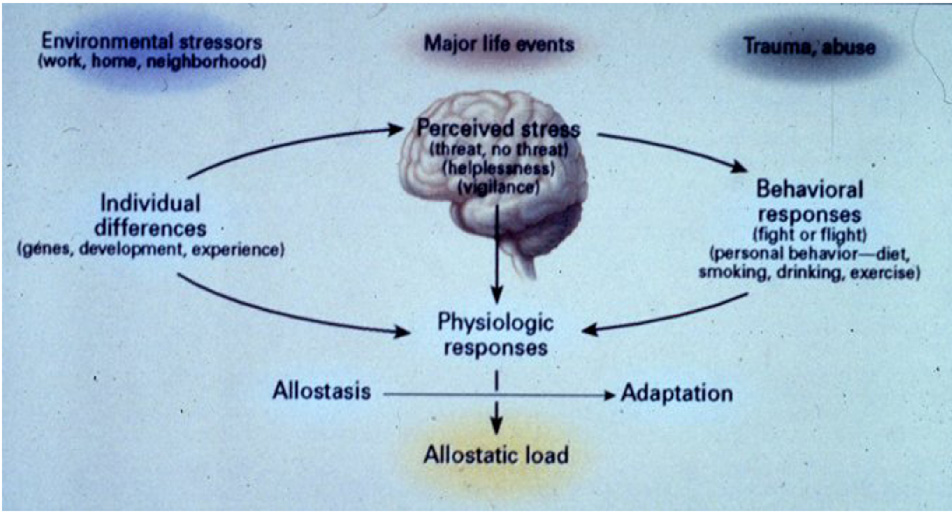
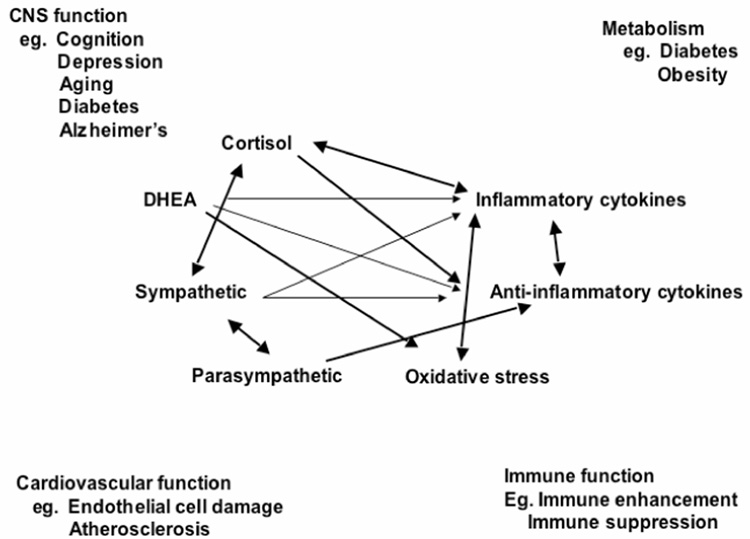
Stress begins in the brain and affects the brain, as well as the rest of the body. Acute stress responses promote adaptation and survival via responses of neural, cardiovascular, autonomic, immune and metabolic systems. Chronic stress can promote and exacerbate pathophysiology through the same systems that are dysregulated. The burden of chronic stress and accompanying changes in personal behaviors (smoking, eating too much, drinking, poor quality sleep; otherwise referred to as "lifestyle") is called allostatic overload. Brain regions such as hippocampus, prefrontal cortex and amygdala respond to acute and chronic stress and show changes in morphology and chemistry that are largely reversible if the chronic stress lasts for weeks. However, it is not clear whether prolonged stress for many months or years may have irreversible effects on the brain. The adaptive plasticity of chronic stress involves many mediators, including glucocorticoids, excitatory amino acids, endogenous factors such as brain neurotrophic factor (BDNF), polysialated neural cell adhesion molecule (PSA-NCAM) and tissue plasminogen activator (tPA). The role of this stress-induced remodeling of neural circuitry is discussed in relation to psychiatric illnesses, as well as chronic stress and the concept of top-down regulation of cognitive, autonomic and neuroendocrine function. This concept leads to a different way of regarding more holistic manipulations, such as physical activity and social support as an important complement to pharmaceutical therapy in treatment of the common phenomenon of being "stressed out". Policies of government and the private sector play an important role in this top-down view of minimizing the burden of chronic stress and related lifestyle (i.e. allostatic overload).
Figures
References
-
- Acheson SD. Independent Inquiry into Inequalities in Health Report. London: The Stationary Office; 1998.
-
- Aldana SG. Financial impact of health promotion programs, A comprehensive review of the literature. Am. J. Health Promotion. 2001;15:296–320. - PubMed
-
- Arbel I, Kadar T, Silbermann M, Levy A. The effects of long-term corticosterone administration on hippocampal morphology and cognitive performance of middle-age rats. Brain Res. 1994;657:227–235. - PubMed
Publication types
MeSH terms
Substances
Grants and funding
LinkOut - more resources
Full Text Sources
Other Literature Sources
Research Materials
Miscellaneous
