


An immunoglobulin binding protein (antigen 5) of the stable fly (Diptera: Muscidae) salivary gland stimulates bovine immune responses
- PMID: 18283948
- PMCID: PMC2580071
- DOI: 10.1603/0022-2585(2008)45[94:aibpao]2.0.co;2
An immunoglobulin binding protein (antigen 5) of the stable fly (Diptera: Muscidae) salivary gland stimulates bovine immune responses
Abstract
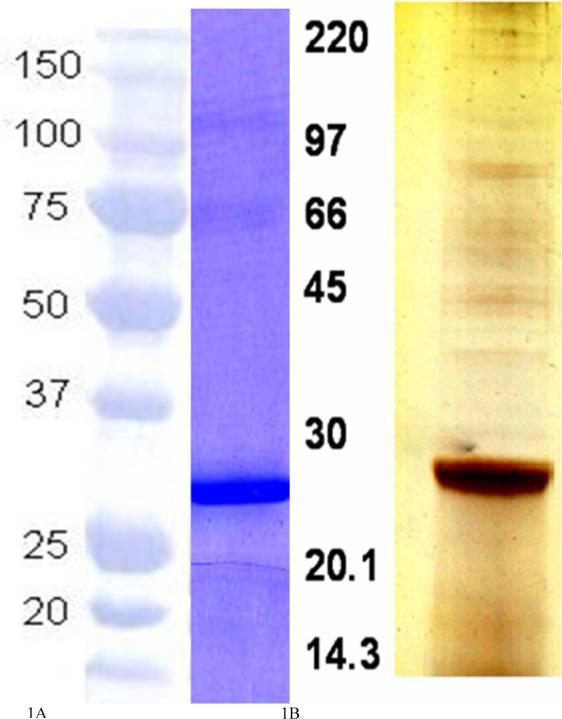
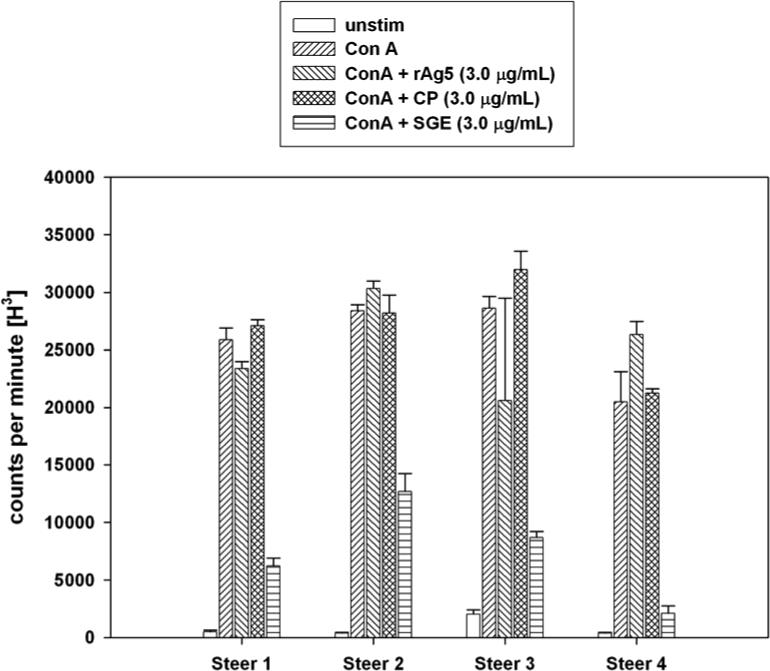
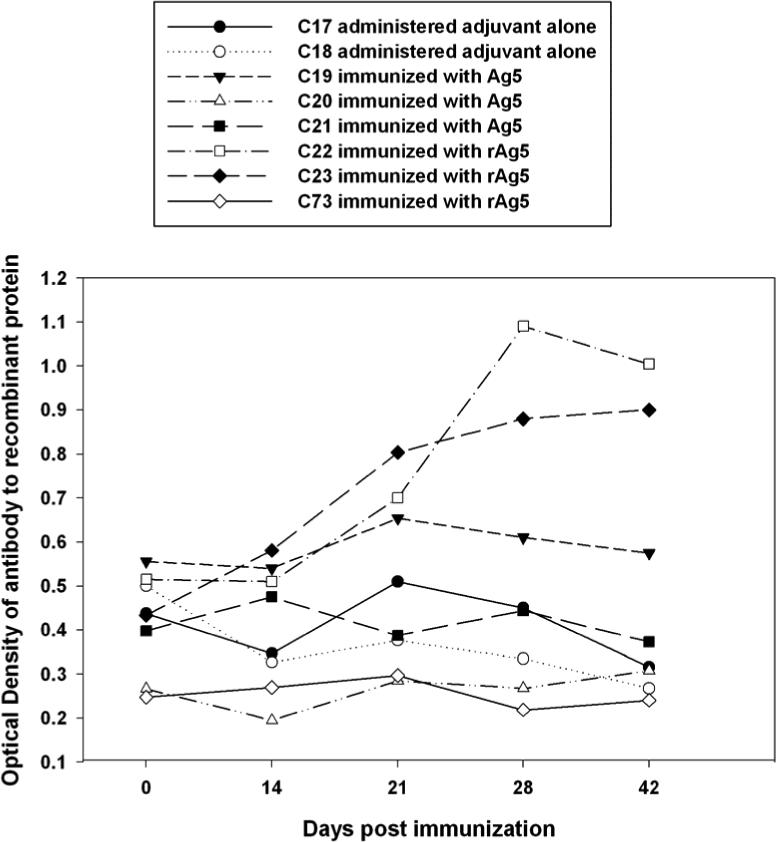
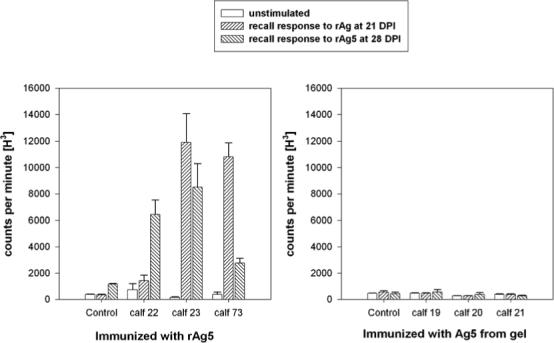
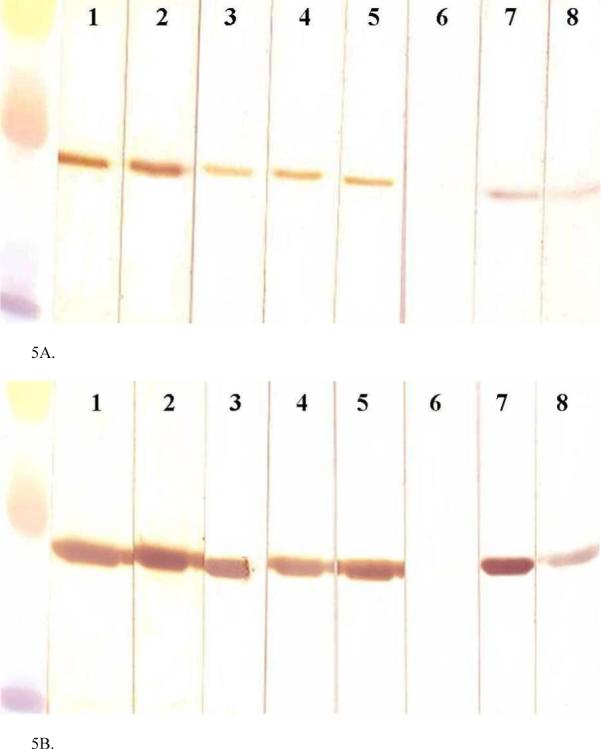
The stable fly, Stomoxys calcitrans (L.) (Diptera: Muscidae), is an economically important pest of livestock. Previous studies demonstrated lymphocyte suppression by crude salivary gland extract (SGE) of the stable fly. A dominant 27-kDa protein identified in the SGE was reported to stimulate immunodominant antibody responses in exposed cattle. The purpose of this study was to determine whether this protein, now identified as ahomolog of insect proteins named antigen 5 (Ag5), was responsible for the lymphocyte suppression and whether naive calves can mount an immune response to it. Calves raised in the winter were immunized with recombinant Ag5 (rAg5) expressed in Drosophila S2 cells or with "natural" Ag5 protein isolated by preparative gel electrophoresis of SGE. Control calves were immunized with adjuvant alone. Rising antibody concentrations to rAg5 were detected in two of three calves immunized with rAg5 and one of three calves immunized with natural Ag5. Recall lymphocyte responses to rAg5 were detected at 21 and 28 d postimmunization in calves immunized with rAg5 but not in calves immunized with the natural Ag5 or those exposed to adjuvant alone. Mitogen-stimulated bovine lymphocyte responses were not suppressed by rAg5. Further investigation using immunoblotting revealed that rAg5 binds to the Fc and F (ab')2 portions of bovine IgG, but not to an Fab fragment. These findings suggest that Ag5 of the stable fly salivary gland is not immunosuppressive but that it has immunoglobulin binding properties and can invoke specific antibody and memory lymphocyte responses in immunized calves.
Figures
References
-
- Broce AB. North Central Regional Res. University of Nebraska; Lincoln: 1993. Dispersal of house flies and stable flies. Proceedings Symposium on rural flies in the Urban Environment.
-
- Campbell JB, Berry IL, Boxler DJ, Davis RL, Clanton DC, Deutscher GH. Effects of stable flies (Diptera: Muscidae) on weight gain and feed efficiency of feedlot cattle. J Econ. Entomol. 1987;80:117–119. - PubMed
-
- Campbell JB, Bozza M, Aksoy S, Davis R. The stable fly - an emerging pest of range cattle. Livestock Insect Workers’ Conference; Cody, Wyoming. 2001a.
-
- Campbell JB, Raun ES. Aerial ULV and LV applications of insecticides for control of the stable fly and the horn fly. J. Econ. Entomol. 1971;64:1170–1173. - PubMed
-
- Campbell JB, Skoda SR, Berkebile DR, Boxler DJ, Thomas GD, Adams DC, Davis R. Effects of stable flies (Diptera: Muscidae) on weight gains of grazing yearling cattle. J. Econ. Entomol. 2001c;94:780–783. - PubMed
Publication types
MeSH terms
Substances
Grants and funding
LinkOut - more resources
Full Text Sources
Other Literature Sources
