


Brain neuronal CB2 cannabinoid receptors in drug abuse and depression: from mice to human subjects
- PMID: 18286196
- PMCID: PMC2241668
- DOI: 10.1371/journal.pone.0001640
Brain neuronal CB2 cannabinoid receptors in drug abuse and depression: from mice to human subjects
Abstract
Background: Addiction and major depression are mental health problems associated with stressful events in life with high relapse and reoccurrence even after treatment. Many laboratories were not able to detect the presence of cannabinoid CB2 receptors (CB2-Rs) in healthy brains, but there has been demonstration of CB2-R expression in rat microglial cells and other brain associated cells during inflammation. Therefore, neuronal expression of CB2-Rs had been ambiguous and controversial and its role in depression and substance abuse is unknown.
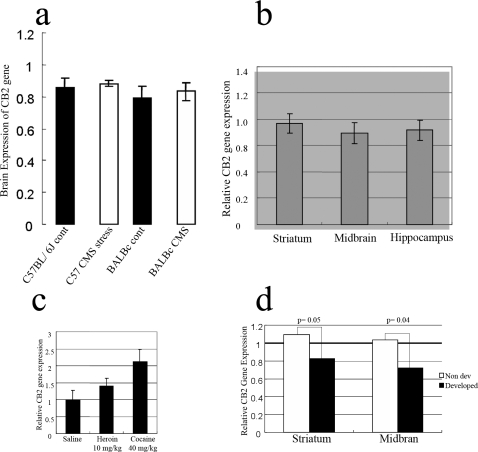
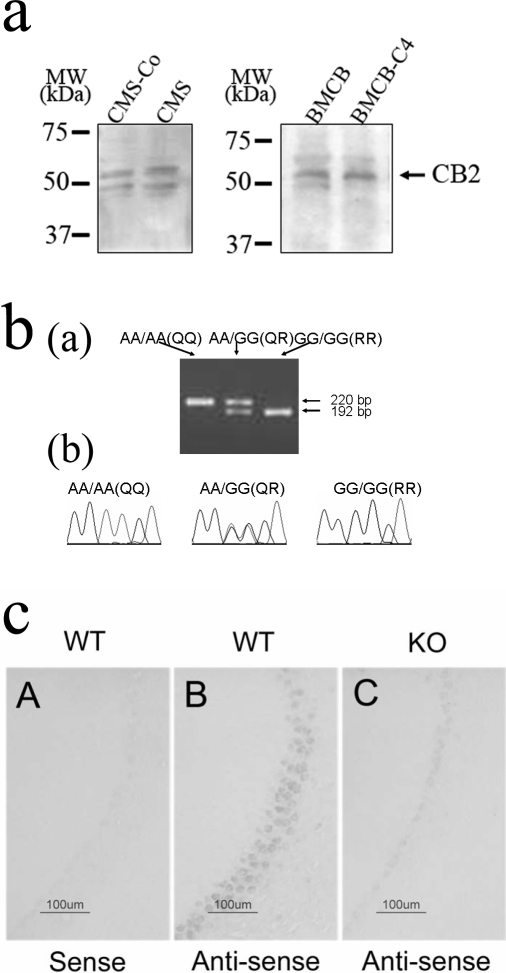
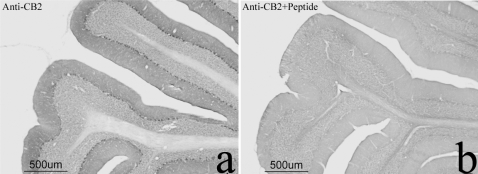
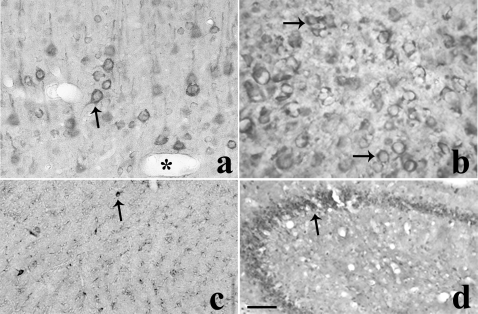
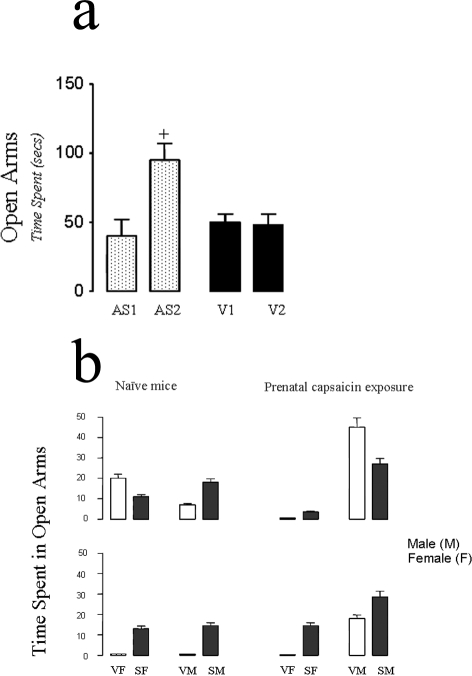
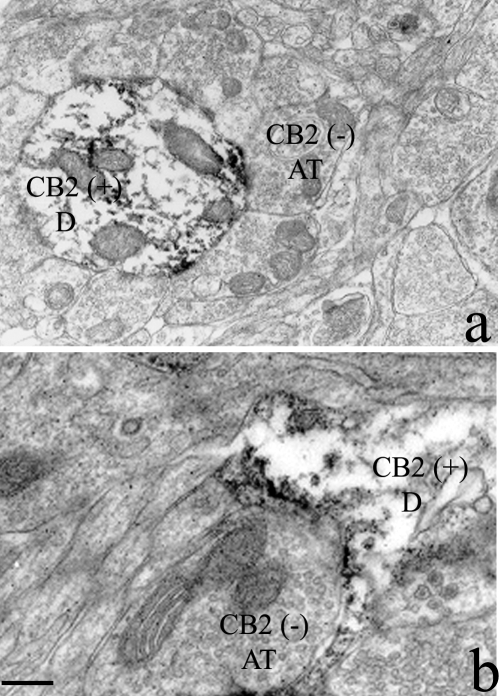
Methodology/principal findings: In this study we tested the hypothesis that genetic variants of CB2 gene might be associated with depression in a human population and that alteration in CB2 gene expression may be involved in the effects of abused substances including opiates, cocaine and ethanol in rodents. Here we demonstrate that a high incidence of (Q63R) but not (H316Y) polymorphism in the CB2 gene was found in Japanese depressed subjects. CB2-Rs and their gene transcripts are expressed in the brains of naïve mice and are modulated following exposure to stressors and administration of abused drugs. Mice that developed alcohol preference had reduced CB2 gene expression and chronic treatment with JWH015 a putative CB2-R agonist, enhanced alcohol consumption in stressed but not in control mice. The direct intracerebroventricular microinjection of CB2 anti-sense oligonucleotide into the mouse brain reduced mouse aversions in the plus-maze test, indicating the functional presence of CB2-Rs in the brain that modifies behavior. We report for the using electron microscopy the sub cellular localization of CB2-Rs that are mainly on post-synaptic elements in rodent brain.
Conclusions/significance: Our data demonstrate the functional expression of CB2-Rs in brain that may provide novel targets for the effects of cannabinoids in depression and substance abuse disorders beyond neuro-immunocannabinoid activity.
Conflict of interest statement
Figures
References
-
- Degenhardt L, Hall W, Lynskey M. Alcohol, cannabis and tobacco use among Australians: a comparison of their associations with other drug use and use disorders, affective and anxiety disorders, and psychosis. Addiction. 2001;96:1603–1614. - PubMed
-
- Willner P. Chronic mild stress (CMS) revisited: consistency and behavioural-neurobiological concordance in the effects of CMS. Neuropsychobiology. 2005;52:90–110. - PubMed
-
- Volkow ND, Li TK. Drugs and alcohol: treating and preventing abuse, addiction and their medical consequences. Pharmacol Ther. 2005;108:3–17. - PubMed
-
- Manzanares J, Uriguen L, Rubio G, Palomo T. Role of endocannabinoid system in mental diseases. Neurotox Res. 2004;6:213–224. - PubMed
-
- Vinod KY, Hungund BL. Role of the endocannabinoid system in depression and suicide. Trends Pharmacol Sci. 2006;27:539–545. - PubMed
Publication types
MeSH terms
Substances
LinkOut - more resources
Full Text Sources
Medical
Molecular Biology Databases
