


Breast tumor microenvironment: proteomics highlights the treatments targeting secretome
- PMID: 18290608
- PMCID: PMC3070414
- DOI: 10.1021/pr700745n
Breast tumor microenvironment: proteomics highlights the treatments targeting secretome
Abstract
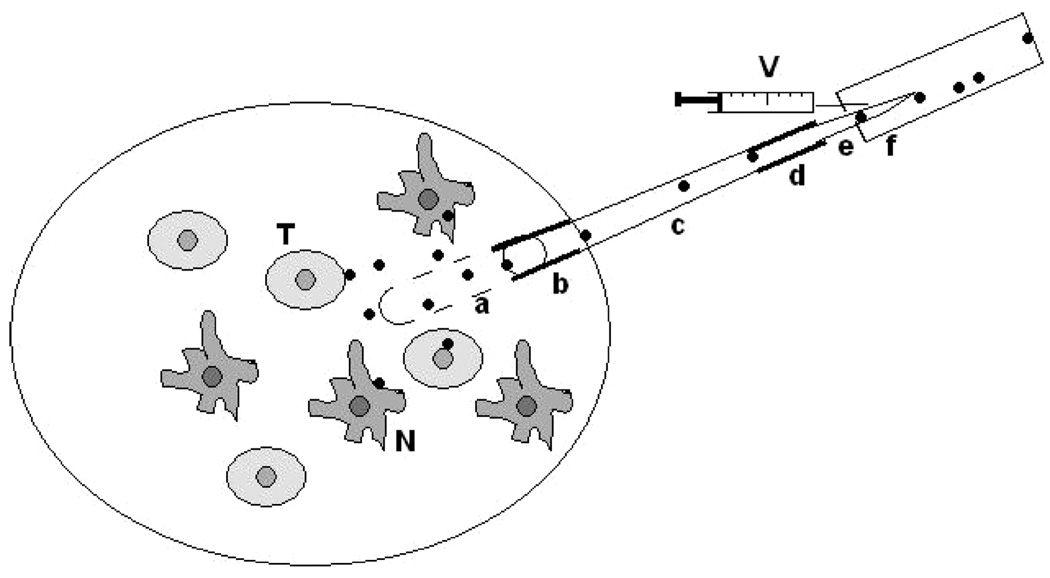
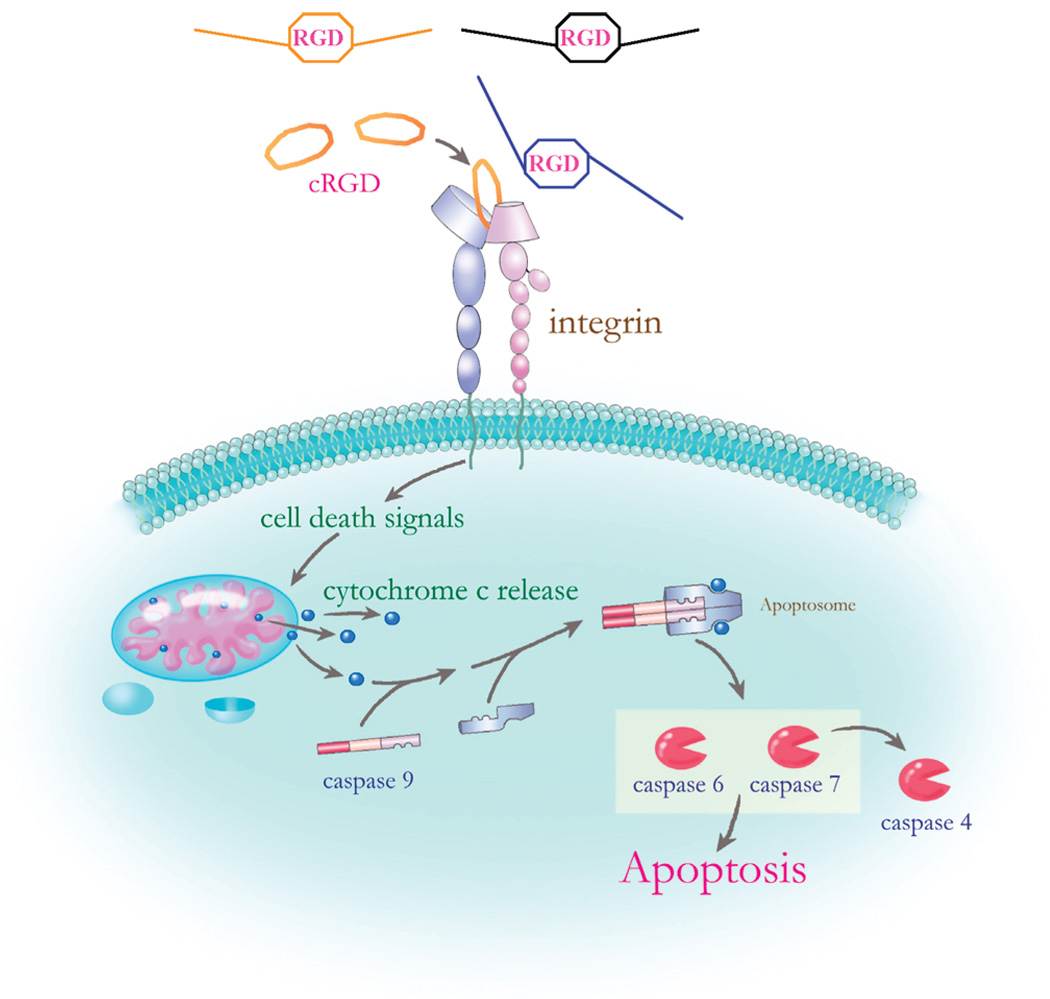
Tumor secreted substances (secretome), including extracellular matrix (ECM) components, act as mediators of tumor-host communication in the breast tumor microenvironment. Proteomic analysis has emphasized the value of the secretome as a source of prospective markers and drug targets for the treatment of breast cancers. Utilizing bioinformatics, our recent studies revealed global changes in protein expression after the activation of ECM-mediated signaling in breast cancer cells. A newly designed technique integrating a capillary ultrafiltration (CUF) probe with mass spectrometry was demonstrated to dynamically sample and identify in vivo and pure secretome from the tumor microenvironment. Such in vivo profiling of breast cancer secretomes may facilitate the development of novel drugs specifically targeting secretome.
Figures
References
-
- Vernon AE, Bakewell SJ, Chodosh LA. Deciphering the molecular basis of breast cancer metastasis with mouse models. Rev. Endocr. Metab. Disord. 2007;8(3):199–213. - PubMed
-
- Bonin-Debs AL, Boche I, Gille H, Brinkmann U. Development of secreted proteins as biotherapeutic agents. Expert Opin. Biol. Ther. 2004;4:551–558. - PubMed
-
- Shinkaruk S, Bayle M, Lain G, Deleris G. Vascular endothelial cell growth factor (VEGF), an emerging target for cancer chemotherapy. Curr. Med. Chem. Anticancer Agents. 2003;3:95–117. - PubMed
-
- Ohe Y, Kasai T, Heike Y, Saijo N. Clinical trial of IL-12 for cancer patients. Gan to Kagaku Ryoho. 1998;25:177–184. - PubMed
Publication types
MeSH terms
Substances
Grants and funding
LinkOut - more resources
Full Text Sources
Other Literature Sources
Medical
