


MYC in mammalian epidermis: how can an oncogene stimulate differentiation?
- PMID: 18292777
- PMCID: PMC2494614
- DOI: 10.1038/nrc2328
MYC in mammalian epidermis: how can an oncogene stimulate differentiation?
Erratum in
- Nat Rev Cancer. 2008 Apr;8(4):316
Abstract
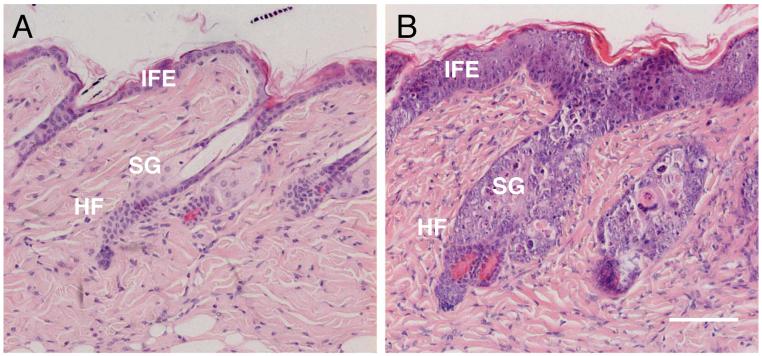
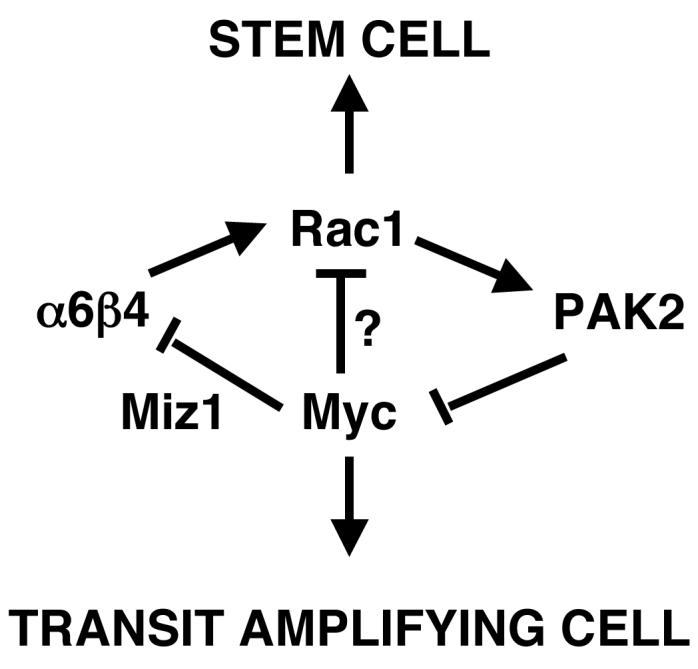
MYC in human epidermal stem cells can stimulate differentiation rather than uncontrolled proliferation. This discovery was, understandably, greeted with scepticism by researchers. However, subsequent studies have confirmed that MYC can stimulate epidermal stem cells to differentiate and have shed light on the underlying mechanisms. Two concepts that are relevant to cancer have emerged: first, MYC regulates similar genes in different cell types, but the biological consequences are context-dependent; and second, MYC activation is not a simple 'on/off' switch - the cellular response depends on the strength and duration of MYC activity, which in turn is affected by the many cofactors and regulatory pathways with which MYC interacts.
Figures



References
-
- Owens DM, Watt FM. Contribution of stem cells and differentiated cells to epidermal tumours. Nat. Rev. Cancer. 2003;3:444–451. - PubMed
-
- Watt FM, Lo Celso C, Silva-Vargas V. Epidermal stem cells: an update. Curr. Opin. Genet. Dev. 2006;16:518–524. - PubMed
-
- Jones PH, Simons BD, Watt FM. Sic transit Gloria. Farewell to the epidermal transit amplifying cell? Cell Stem Cell. 2007;1:371–381. - PubMed
-
- Boukamp P. Non-melanoma skin cancer: what drives tumor development and progression? Carcinogenesis. 2005;26:1657–1667. - PubMed
Publication types
MeSH terms
Substances
Grants and funding
LinkOut - more resources
Full Text Sources
Other Literature Sources
Molecular Biology Databases
