


Indole-3-carbinol as a chemopreventive and anti-cancer agent
- PMID: 18314259
- PMCID: PMC2814317
- DOI: 10.1016/j.canlet.2008.01.033
Indole-3-carbinol as a chemopreventive and anti-cancer agent
Abstract
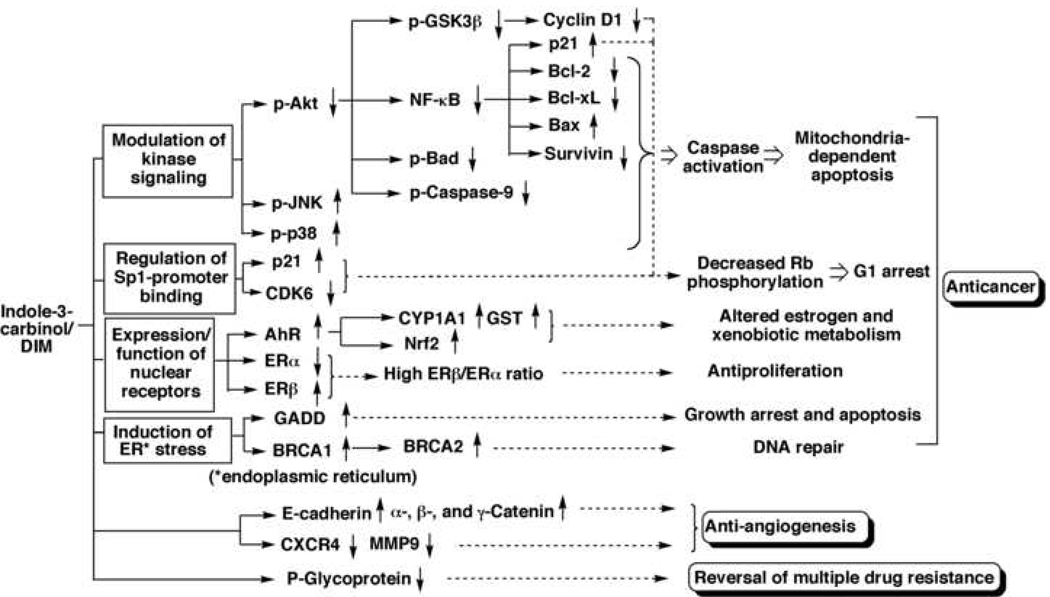
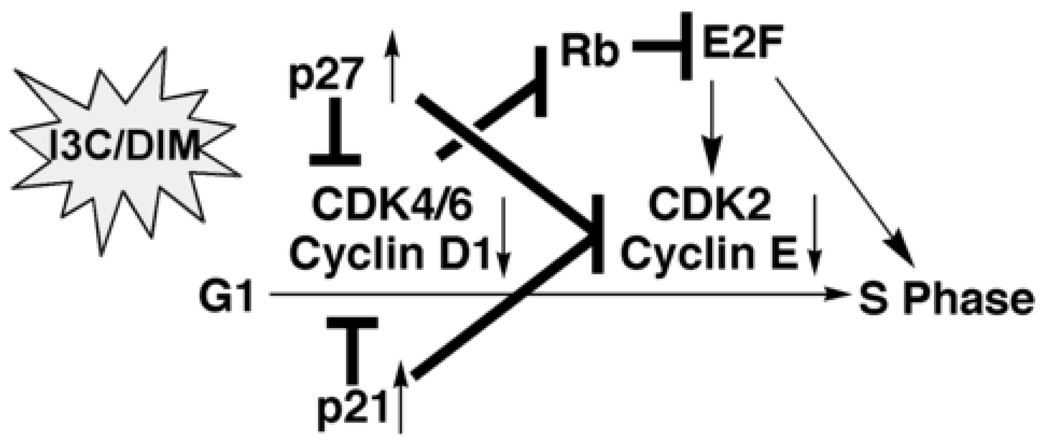
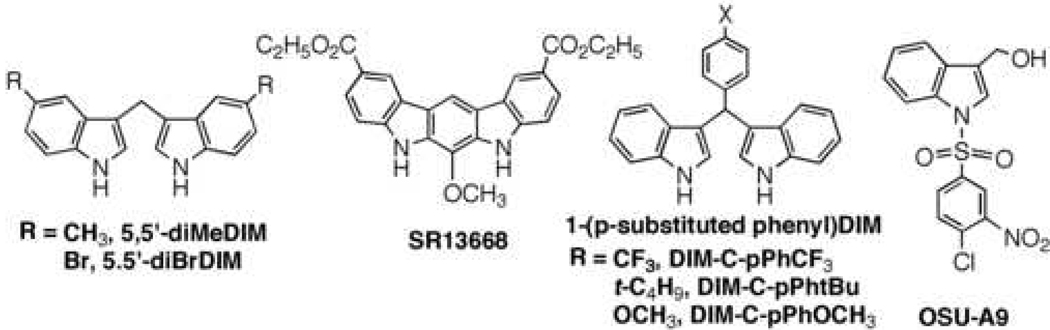
During the course of oncogenesis and tumor progression, cancer cells constitutively upregulate signaling pathways relevant to cell proliferation and survival as a strategy to overcome genomic instability and acquire resistance phenotype to chemotherapeutic agents. In light of this clinical and molecular heterogeneity of human cancers, it is desirable to concomitantly target these genetic abnormalities by using an agent with pleiotropic mode of action. Indole-3-carbinol and its metabolite 3,3'-diindoylmethane (DIM) target multiple aspects of cancer cell-cycle regulation and survival including Akt-NF kappa B signaling, caspase activation, cyclin-dependent kinase activities, estrogen metabolism, estrogen receptor signaling, endoplasmic reticulum stress, and BRCA gene expression. This broad spectrum of anti-tumor activities in conjunction with low toxicity underscores the translational value of indole-3-carbinol and its metabolites in cancer prevention/therapy. Furthermore, novel anti-tumor agents with overlapping underlying mechanisms have emerged via structural optimization of indole-3-carbinol and DIM, which may provide considerable therapeutic advantages over the parental compounds with respect to chemical stability and anti-tumor potency. Together, these agents might foster new strategies for cancer prevention and therapy.
Figures
References
-
- Cohen JH, Kristal AR, Stanford JL. Fruit and vegetable intakes and prostate cancer risk. J Natl Cancer Inst. 2000;92:61–68. - PubMed
-
- Minich DM, Bland JS. A review of the clinical efficacy and safety of cruciferous vegetable phytochemicals. Nutr Rev. 2007;65:259–267. - PubMed
-
- Verhoeven DT, Goldbohm RA, van Poppel G, Verhagen H, van den Brandt PA. Epidemiological studies on brassica vegetables and cancer risk. Cancer Epidemiol Biomarkers Prev. 1996;5:733–748. - PubMed
-
- Hong C, Firestone GL, Bjeldanes LF. Bcl-2 family-mediated apoptotic effects of 3,3'-diindolylmethane (DIM) in human breast cancer cells. Biochem Pharmacol. 2002;63:1085–1097. - PubMed
Publication types
MeSH terms
Substances
Grants and funding
LinkOut - more resources
Full Text Sources
Other Literature Sources
