


Antioxidants prevent ethanol-associated apoptosis in fetal rhombencephalic neurons
- PMID: 18329634
- PMCID: PMC2533257
- DOI: 10.1016/j.brainres.2008.02.018
Antioxidants prevent ethanol-associated apoptosis in fetal rhombencephalic neurons
Abstract
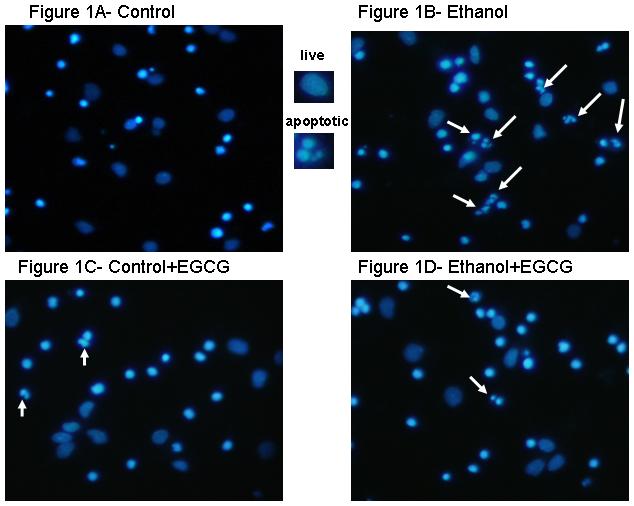
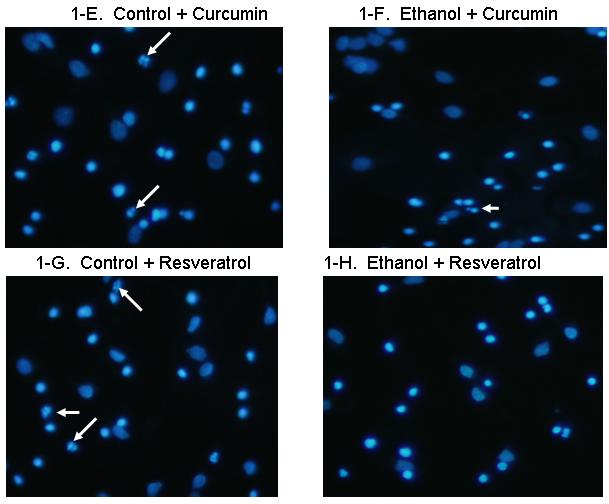
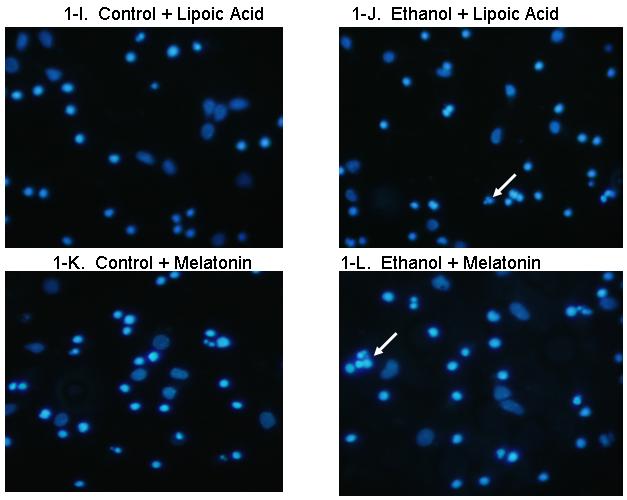
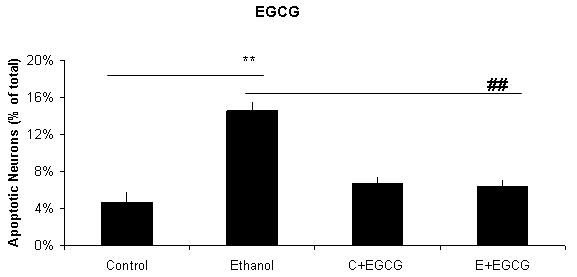
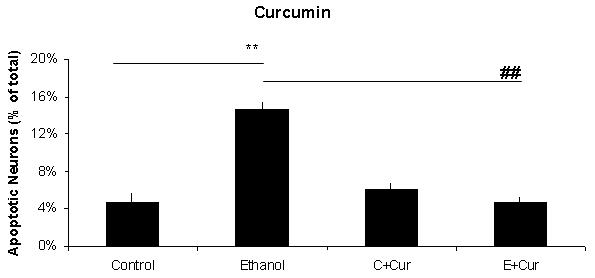
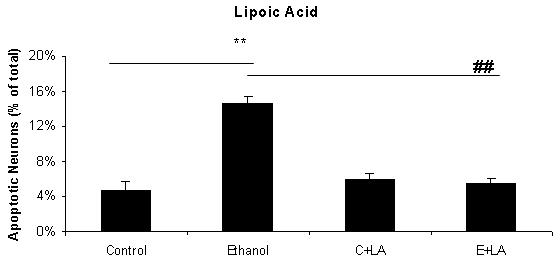
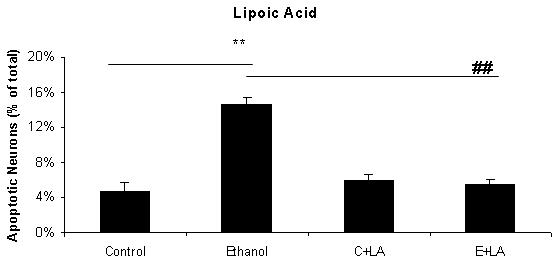
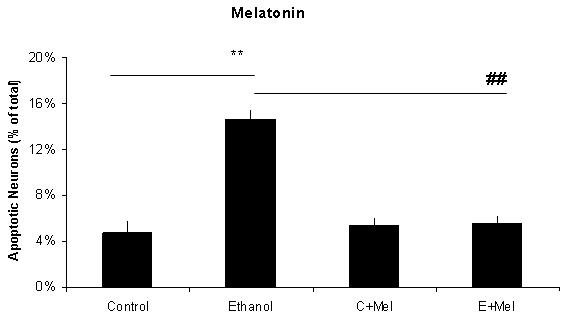
It is well known that ethanol damages the developing nervous system by augmenting apoptosis. Previously, this laboratory reported that ethanol augments apoptosis in fetal rhombencephalic neurons, and that the increased apoptosis is associated with reduced activity of the phosphatidylinositol 3-kinase pathway and downstream expression of pro-survival genes. Other laboratories have shown that another mechanism by which ethanol induces apoptosis in developing neurons is through the generation of reactive oxygen species (ROS) and the associated oxidative stress. The present study used an in vitro model to investigate the potential neuroprotective effects of several antioxidants against ethanol-associated apoptosis in fetal rhombencephalic neurons. The investigated antioxidants included three phenolics: (-)-epigallocatechin-3-gallate (EGCG), a flavanoid polyphenol found in green tea; curcumin, found in tumeric; and resveratrol (3,5,4'-trihydroxystilbene), a component of red wine. Additional antioxidants, including melatonin, a naturally occurring indole, and alpha-lipoic acid, a naturally occurring dithiol, were also investigated. These studies demonstrated that a 24-hour treatment of fetal rhombencephalic neurons with 75 mM ethanol caused a 3-fold increase in the percentage of apoptotic neurons. However, co-treatment of these cultures with any of the five different antioxidants prevented ethanol-associated apoptosis. Antioxidant treatment did not alter the extent of apoptosis in control neurons, i.e., those cultured in the absence of ethanol. These studies showed that several classes of antioxidants can exert neuroprotection against ethanol-associated apoptosis in fetal rhombencephalic neurons.
Figures
References
-
- Antonio AM, Druse MJ. Protective effects of antioxidants on ethanol-treated rhombencephalic neurons. Alcohol. Clin. Exp. Res. 2006;30:116A.
-
- Barlow-Walden L, Reiter RJ, Abe M, Pablos M, Menendez-Pelaez A, Chen LD, Poeggeler B. Melatonin stimulates brain glutathione peroxidase activity. Neurochem. Int. 1995;26:497–502. - PubMed
-
- Cheema ZF, West JR, Miranda RC. Ethanol induces Fas/Apo [apoptosis]-1 mRNA and cell suicide in the developing cerebral cortex. Alcohol. Clin. Exp. Res. 2000;24:535–543. - PubMed
-
- Chen WJ, Berryhill EC, West JR. Zinc supplementation does not attenuate alcohol-induced cerebellar Purkinje cell loss during the brain growth spurt period. Alcohol. Clin. Exp. Res. 2001;25:600–605. - PubMed
Publication types
MeSH terms
Substances
Grants and funding
LinkOut - more resources
Full Text Sources
Other Literature Sources
Medical
