. 2008 Jun;36(6):1119-25.
doi: 10.1124/dmd.107.019646. Epub 2008 Mar 24.

Role of flavin-containing monooxygenase in oxidative metabolism of voriconazole by human liver microsomes

Affiliations

Role of flavin-containing monooxygenase in oxidative metabolism of voriconazole by human liver microsomes

Souzan B Yanni et al. Drug Metab Dispos. 2008 Jun.

Abstract

Voriconazole is a potent second-generation triazole antifungal agent with broad-spectrum activity against clinically important fungi. It is cleared predominantly via metabolism in all species tested including humans. N-Oxidation of the fluoropyrimidine ring, its hydroxylation, and hydroxylation of the adjacent methyl group are the known pathways of voriconazole oxidative metabolism, with the N-oxide being the major circulating metabolite in human. In vitro studies have shown that CYP2C19, CYP3A4, and to a lesser extent CYP2C9 contribute to the oxidative metabolism of voriconazole. When cytochrome P450 (P450)-specific inhibitors and antibodies were used to evaluate the oxidative metabolism of voriconazole by human liver microsomes, the results suggested that P450-mediated metabolism accounted for approximately 75% of the total oxidative metabolism. The studies presented here provide evidence that the remaining approximately 25% of the metabolic transformations are catalyzed by flavin-containing monooxygenase (FMO). This conclusion was based on the evidence that the NADPH-dependent metabolism of voriconazole was sensitive to heat (45 degrees C for 5 min), a condition known to selectively inactivate FMO without affecting P450 activity. The role of FMO in the metabolic formation of voriconazole N-oxide was confirmed by the use of recombinant FMO enzymes. Kinetic analysis of voriconazole metabolism by FMO1 and FMO3 yielded K(m) values of 3.0 and 3.4 mM and V(max) values of 0.025 and 0.044 pmol/min/pmol, respectively. FMO5 did not metabolize voriconazole effectively. This is the first report of the role of FMO in the oxidative metabolism of voriconazole.


Figures
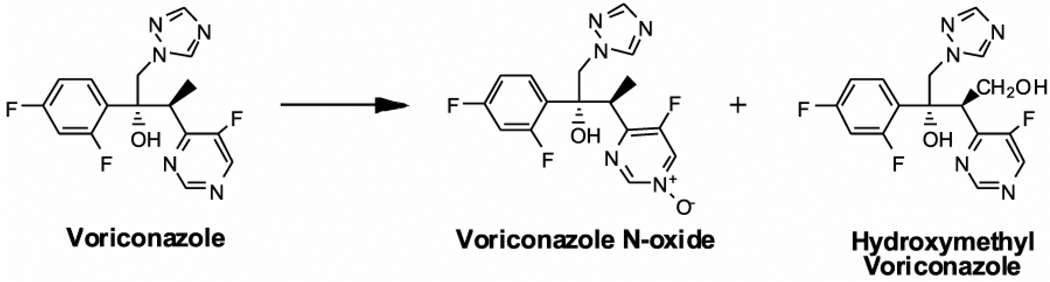
Figure 1
Figure 1
Structures of Voriconazole and Major Oxidative Metabolites Formed by Human Liver Microsomes
Figure 2
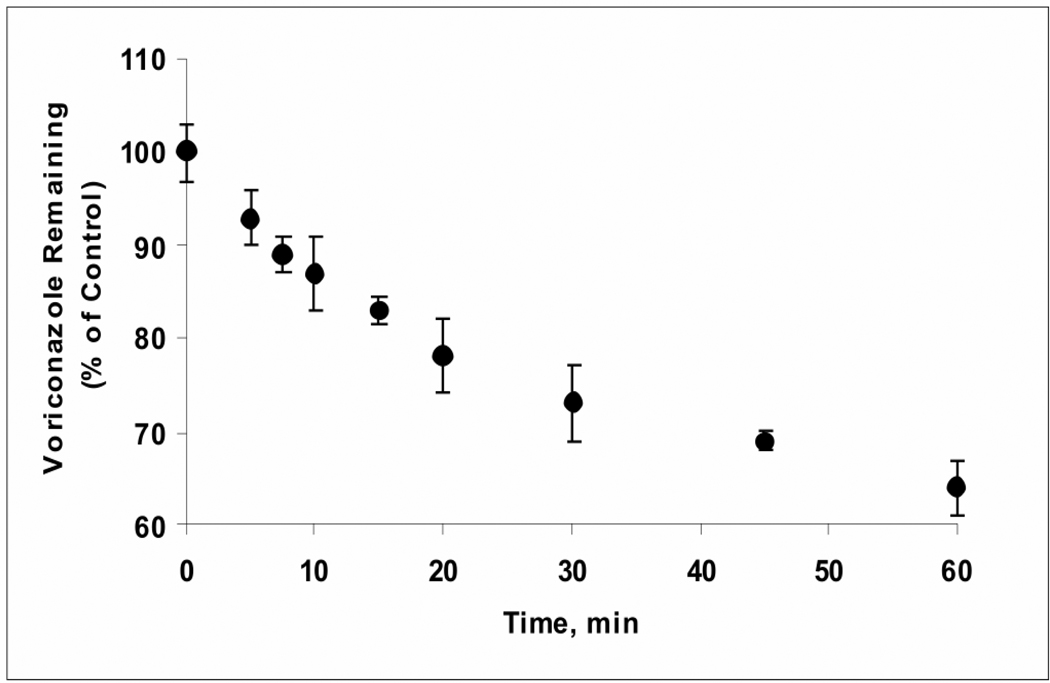
Figure 2. Oxidative Metabolism of Voriconazole by Human Liver Microsomes
Voriconazole (2 µM) was metabolized by HLM in the presence of NADPH (2 mM) as determined by the loss of the substrate as a function of time; the rate of metabolism over the linear range (up to 20 min incubation and 20% loss of voriconazole) was 54 pmol/min/mg protein and T1/2 was estimated to be 57 min. The data points represent the mean of three determinations ± S.D.
Figure 3
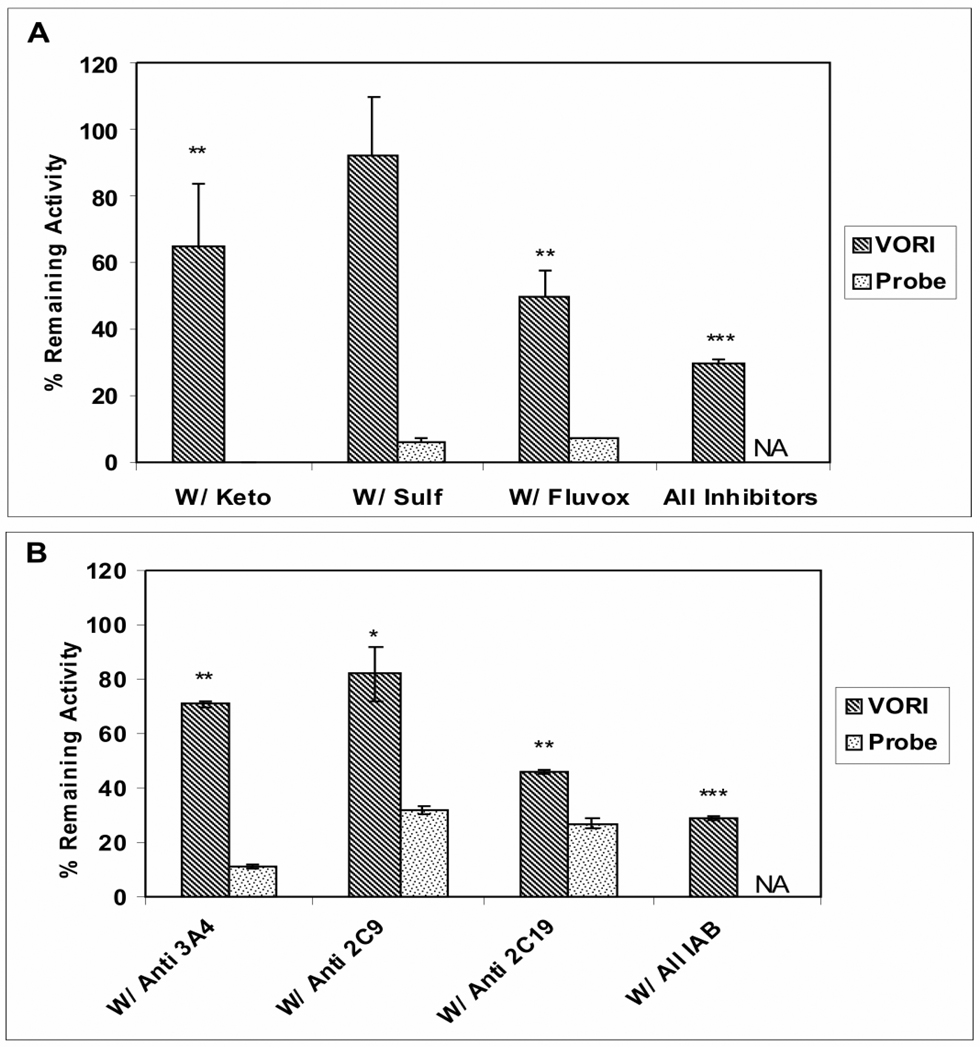
Figure 3. Role of CYP3A4, CYP2C9, and CYP2C19 in the Metabolism of Voriconazole by Human Liver Microsomes
A- The metabolism of voriconazole (VORI) measured by loss of parent following co-treatment with CYP inhibitors ketoconazole (Keto, 3 uM), sulfaphenazole (Sulf, 30 uM), fluvoxamine (Fluvox, 3 uM), and a mixture of three inhibitors was determined in incubations with voriconazole (2 µM) and HLM (1 mg/mL) in presence of NADPH (2mM) for 20 minutes (Striped bar); the results are presented as percent of “no inhibition” control (100%, 54 pomol/min/mg). Under the same experimental conditions, the effect of these inhibitors on the CYP activities was measured using the probe substrates (testosterone for CYP3A4, diclofenac for CYP2C9, and S-mephenytoin for CYP2C19) (dotted bar). B- Voriconazole metabolism by HLM was determined upon co-incubation with CYP3A4-, CYP2C9-, or CYP2C19-specific inhibitory antibody (Anti 3A4, Anti 2C9, Anti 2C19, respectively) and with a mixture of the three CYP inhibitory antibody (ALL IAB) (striped bar); the results are presented as percent of “no inhibition” control as explained in the Methods Section, where the “no inhibition” control was the metabolism resulting from co-incubation with rabbit IgG serum (100%). The effect of IAB on corresponding CYP probe substrates was also measured (dotted bar). The data are the mean of three separate experiments ± S.D. Effect Unpaired t-test analysis were reported as *p < 0.05; ** p <0.01; *** p <0.001 compared to no inhibition control. The statistical analysis by non-parametric method like Wilcoxon rank sum yielded the same outcome as unpaired t test. NA, non applicable.
Figure 4
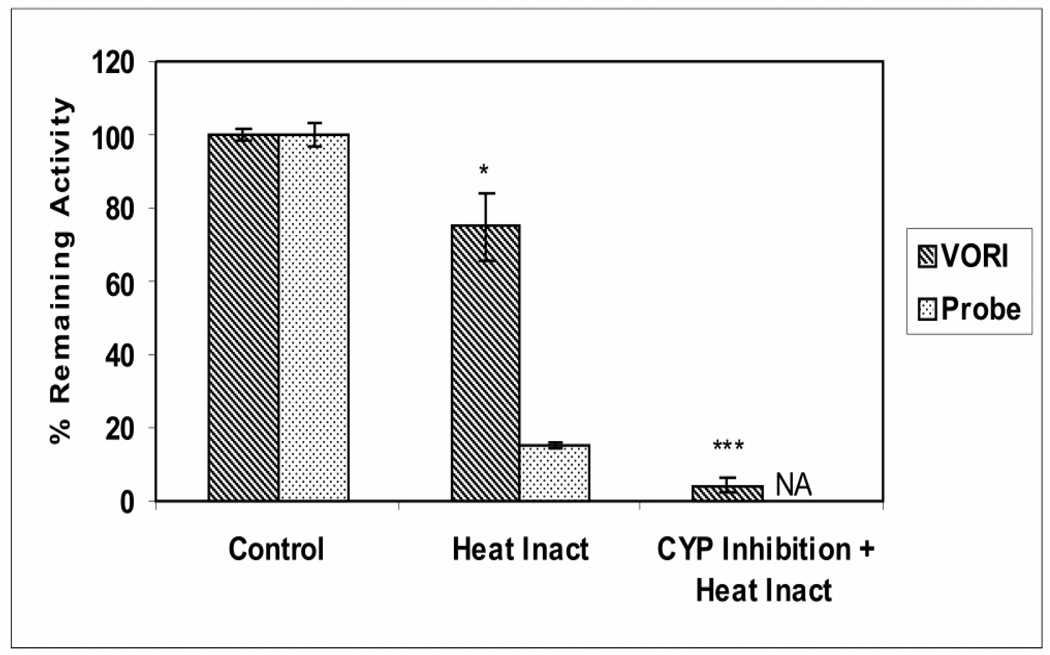
Figure 4. Effect of Heat Treatment on the Metabolism of Voriconazole by Human Liver Microsomes
Voriconazole (2 µM) metabolism measured by loss of parent by HLM, preheated to 45 ºC for 5 minutes (striped bar), was determined and compared with the metabolism by HLM preheated to 37 ºC for 5 minutes (100% control). The effect of heat treatment on the metabolism of the FMO probe substrate benzydamine (60 µM) was also measured by the loss of parent (dotted bar) (Stormer et al., 2000). Incubation of voriconazole with HLM, preheated to 45 ºC for 5 minutes, was conducted in the presence of a mixture of CYP inhibitors to determine the combined effect of heat pretreatment and CYP inhibition on voriconazole metabolism by HLM. Voriconazole metabolism by control HLM, preheated to 37 ºC for 5 minutes, co-incubated without the CYP inhibitors served as a control. NA, indicated not applicable. The data are the mean of three separate experiments ± S.D. Unpaired t-test analysis were reported as *p < 0.05; ** p <0.01; *** p <0.001 compared to control. VORI, voriconazole.
Figure 5
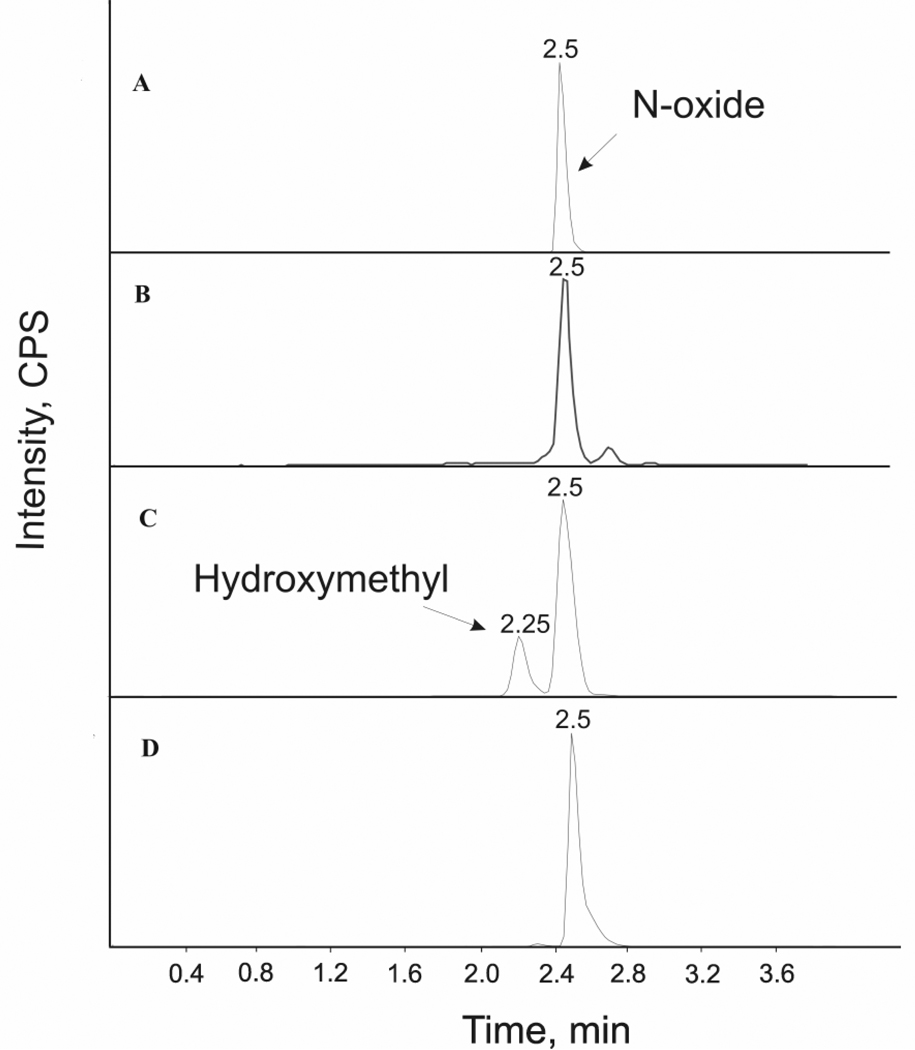
Figure 5. HPLC-MS/MS Profiles of Voriconazole Metabolites formed by Human Liver Microsomes and Flavin-containing Monooxygenase
A- The HPLC-MS/MS chromatogram of authentic N-oxide standard (366→224; retention time, 2.5 min). B- The HPLC-MS/MS chromatogram of the products formed by recombinant human FMO3 in the presence of NADPH; the N-oxide (366→224; retention time, 2.5 min) was the only metabolite detected. C- The HPLC-MS/MS chromatogram of metabolites formed by incubating voriconazole and HLM in the presence of NADPH; two metabolites were formed - the hydroxymethyl (366→224; retention time, 2.25 min) and the N-oxide (366→224; retention time, 2.5 min). D- Chromatogram of metabolites formed upon co-incubation of voriconazole (25 µM) and ketoconazole (3µM) with HLM. Formation of hydroxymethyl (366→224; retention time, 2.25 min), but not the N-oxide (366→224; retention time, 2.5 min) was diminished by inhibition of CYP3A activity. ALL traces represent extracted ion chromatograms and the Y scales are not identical.
Figure 6
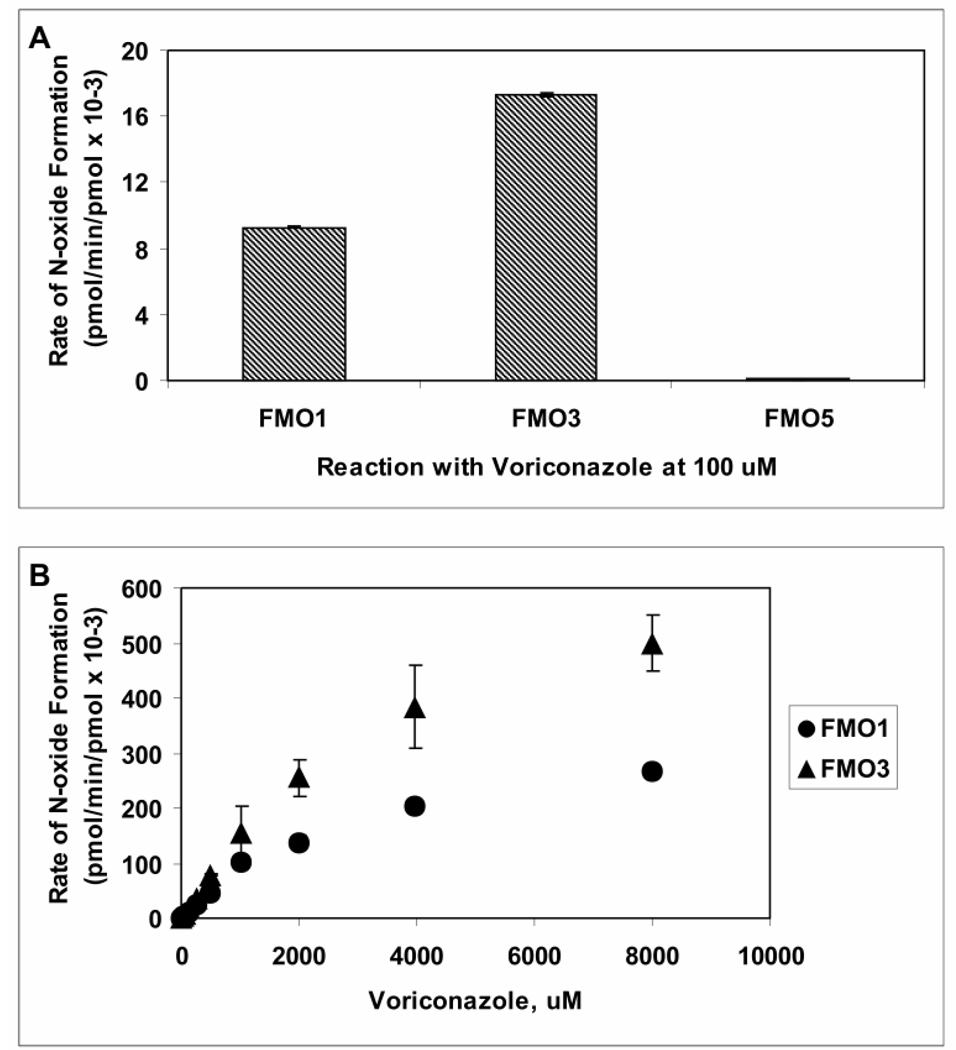
Figure 6. Catalytic Activities of Recombinant Human Flavin-containing Monooxygenase 1, 3, and 5 toward Voriconazole
A- Voriconazole (100 µM) was metabolized by recombinant human FMO enzymes FMO1 (60 pmol/mL), FMO3 (60 pmol/mL) and FMO5 (150 pmol/mL) in presence of NADPH for 60 minutes, and rates of metabolism (pmol/min/pmol enzyme) were calculated from a calibration curve constructed using the authentic N-oxide standard. B- Initial velocity of voriconazole N-oxide formation by FMO1 (triangle) and FMO3 (circle) was determined as a function of voriconazole concentration; data are reported as mean (n=3) ± S.D. The N-oxide formation by FMO5, was undetectable.
Figure 7
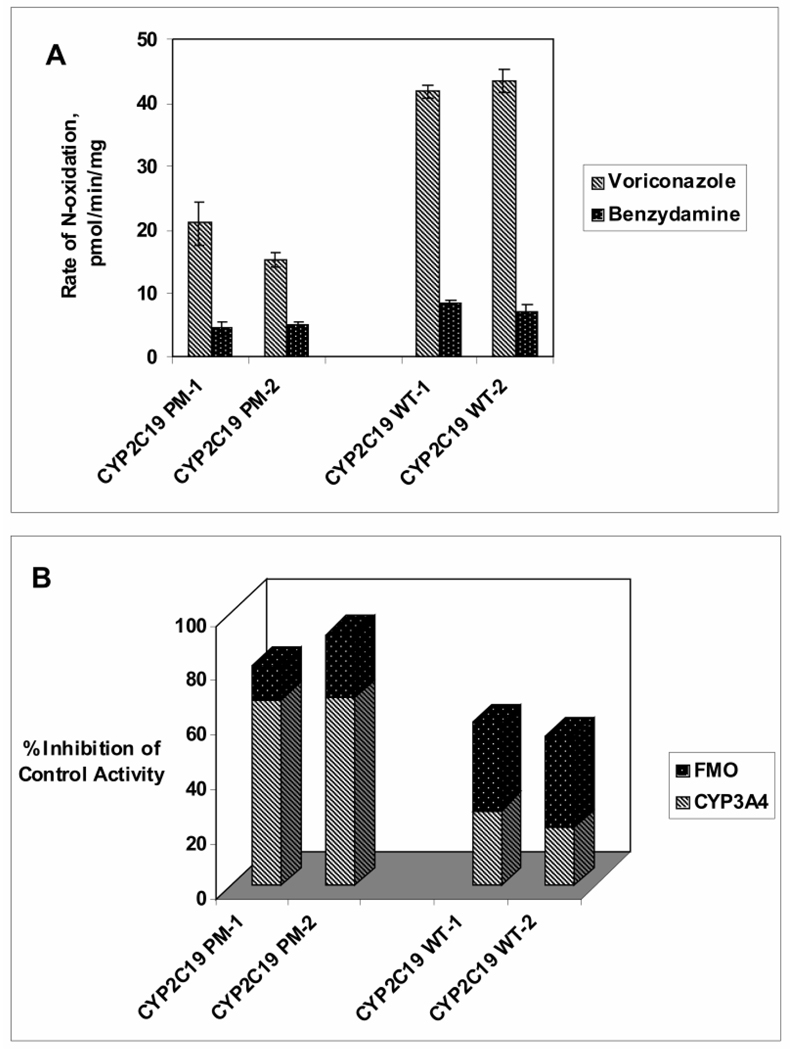
Figure 7. Voriconazole N-oxidation by Human Liver Microsomes from CYP2C19 Poor Metabolizers and from Normal Subjects
A- Voriconazole (5 µM) N-oxidation by HLM (1.0 mg/mL) from two CYP2C19 poor metabolizers (2*/2*) (PM-1, PM-2) and by HLM (1.0 mg/mL) from two CYP2C19 wild type subjects (1*/1*) (WT-1, WT-2) was expressed as pmol/min/mg (striped bar) and compared to the maximal rate of benzydamine (250 µM) metabolism expressed as nmol/min/mg (dotted bar). Data for each sample are reported as mean (n=3) ± S.D. B- Contribution of CYP3A4 and FMO toward voriconazole N-oxidation was determined by measuring the N-oxide formation in the presence of ketoconazole (3 µM) or by heat-treatment (45 °C for 5 minutes), respectively, and comparing it to no-inhibition controls. Percent Inhibition by ketoconazole and by heat-inactivation is shown as striped bar and dotted bar, respectively; data for each sample are reported as mean (n=3).

References

    1. Allerston CK, Shimizu M, Fujieda M, Shephard EA, Yamazaki H, Phillips IR. Molecular evolution and balancing selection in the flavin-containing monooxygenase 3 gene (FMO3) Pharmacogenet Genomics. 2007;17:827–839. - PubMed
    1. Boucher HW, Groll AH, Chiou CC, Walsh TJ. Newer systemic antifungal agents : pharmacokinetics, safety and efficacy. Drug. 2004;64:1997–2020. - PubMed
    1. Cashman JR. Structural and catalytic properties of mammalian flavin-containing monooxygenase. Chem Res Toxicol. 1995;8:165–181. - PubMed
    1. Fisher MB, Yoon K, Vaughn ML, Strelevitz TJ, Foti RS. Flavin-containing monooxygenase activity in hepatocytes and microsomes: in vitro characterization and in vivo scaling of benzydamine clearance. Drug Metab Dispos. 2002;30:1087–1093. - PubMed
    1. Hines RN. Developmental and tissue-specific expression of human flavin-containing monooxygenases 1 and 3. Expert Opin Drug Metab Toxicol. 2006;2:41–49. - PubMed

Publication types

LinkOut - more resources