


A mixed method study of the merits of e-prescribing drug alerts in primary care
- PMID: 18373142
- PMCID: PMC2359504
- DOI: 10.1007/s11606-008-0505-4
A mixed method study of the merits of e-prescribing drug alerts in primary care
Abstract
Objectives: The objective of this paper was to describe primary care prescribers' perspectives on electronic prescribing drug alerts at the point of prescribing.
Design: We used a mixed-method study which included clinician surveys (web-based and paper) and focus groups with prescribers and staff.
Participants: Prescribers (n = 157) working in one of 64 practices using 1 of 6 e-prescribing technologies in 6 US states completed the quantitative survey and 276 prescribers and staff participated in focus groups.
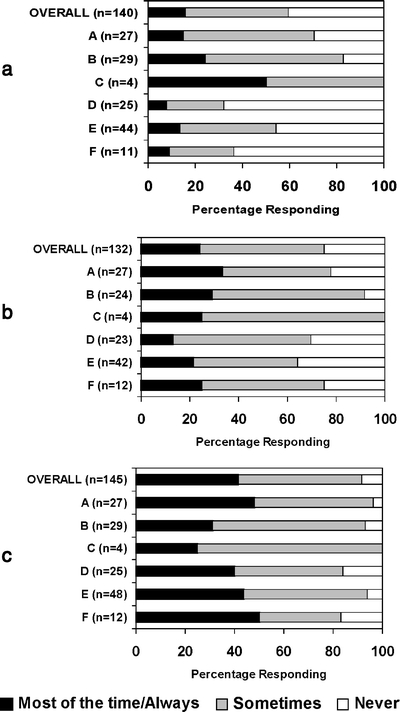
Measurements: The study measures self-reported frequency of overriding of drug alerts; open-ended responses to: "What do you think of the drug alerts your software generates for you?"
Results: More than 40% of prescribers indicated they override drug-drug interactions most of the time or always (range by e-prescribing system, 25% to 50%). Participants indicated that the software and the interaction alerts were beneficial to patient safety and valued seeing drug-drug interactions for medications prescribed by others. However, they noted that alerts are too sensitive and often unnecessary. Participant suggestions included: (1) run drug alerts on an active medication list and (2) allow prescribers to set the threshold for severity of alerts.
Conclusions: Primary care prescribers recognize the patient safety value of drug prescribing alerts embedded within electronic prescribing software. Improvements to increase specificity and reduce alert overload are needed.
Figures
References
-
- Corley ST. Electronic prescribing: A review of costs and benefits. Top Health Inform Manage. 2003;24(1):29–38. - PubMed
MeSH terms
Grants and funding
LinkOut - more resources
Full Text Sources
Medical
