


Quercetin augments TRAIL-induced apoptotic death: involvement of the ERK signal transduction pathway
- PMID: 18377872
- PMCID: PMC2430102
- DOI: 10.1016/j.bcp.2008.02.016
Quercetin augments TRAIL-induced apoptotic death: involvement of the ERK signal transduction pathway
Abstract
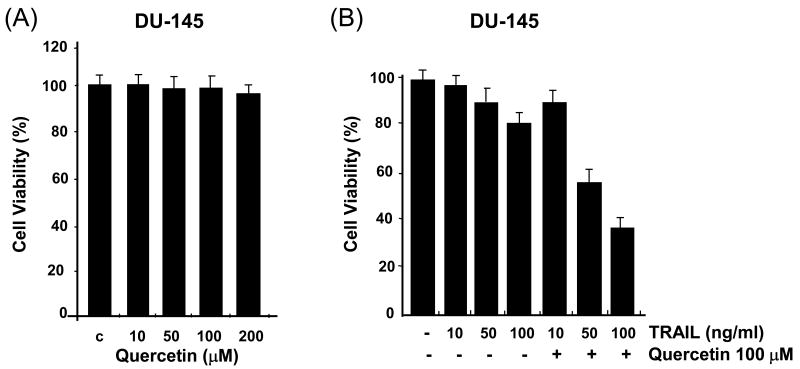
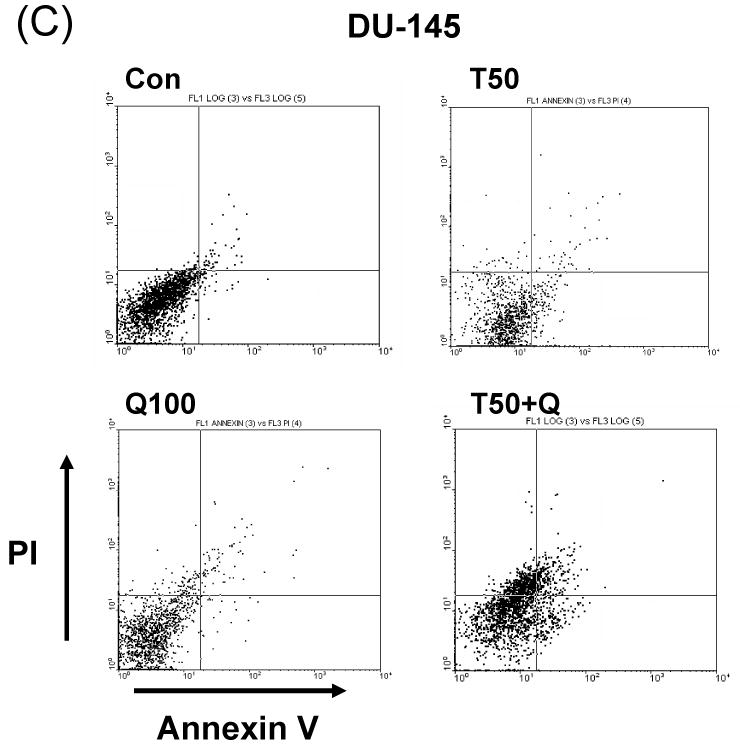
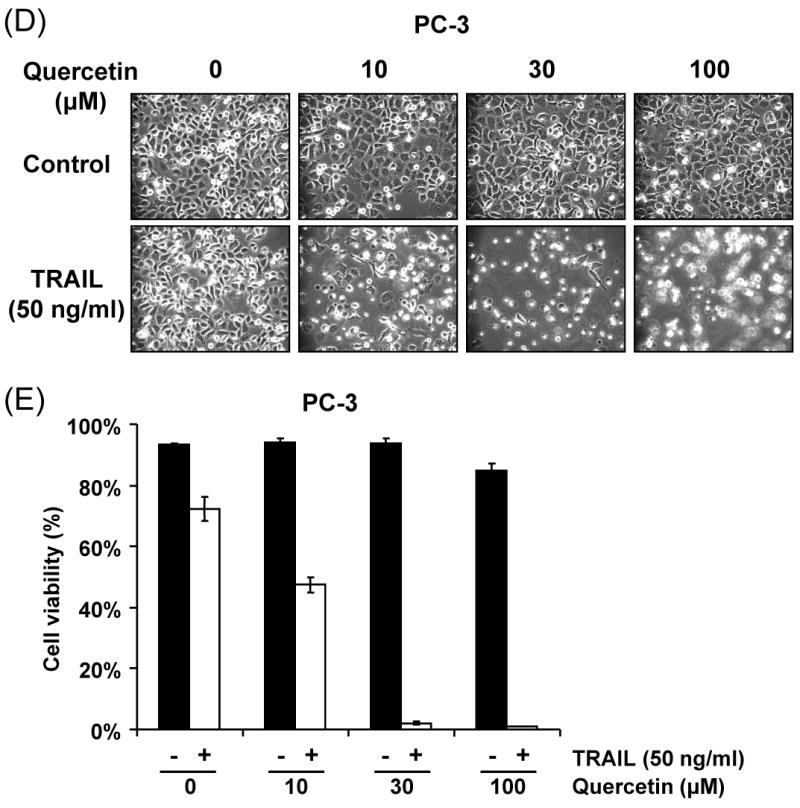
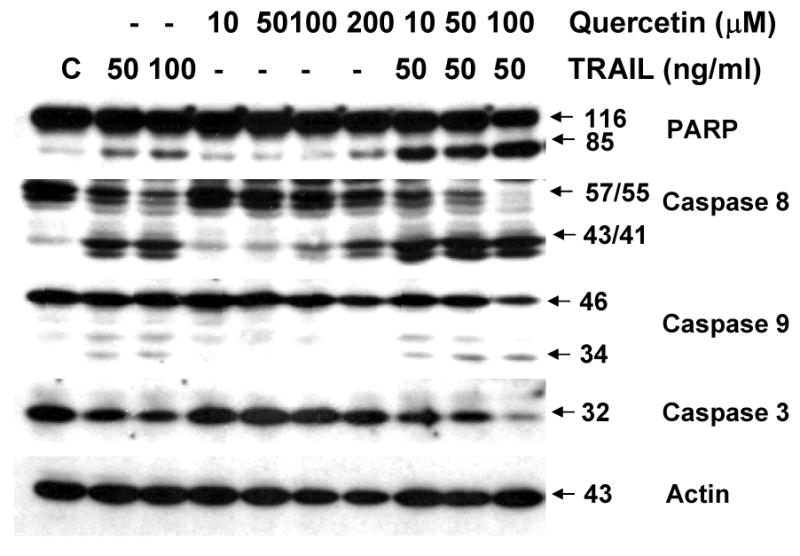
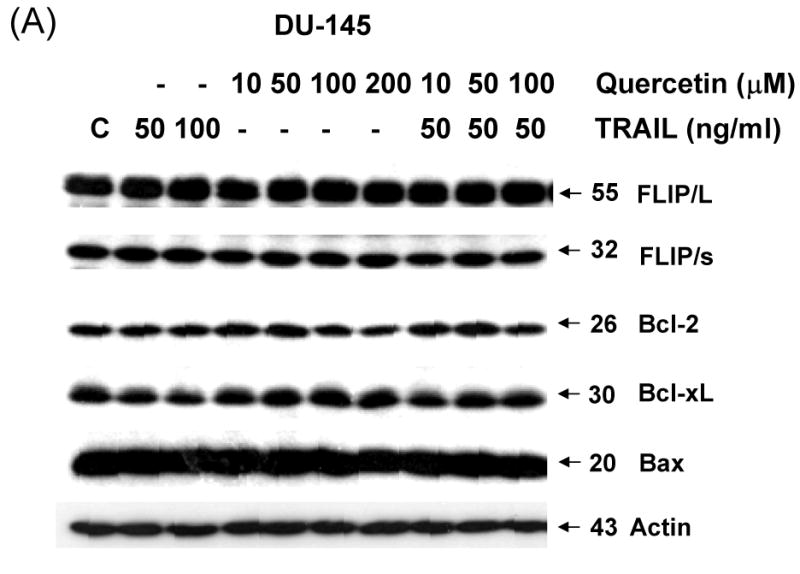
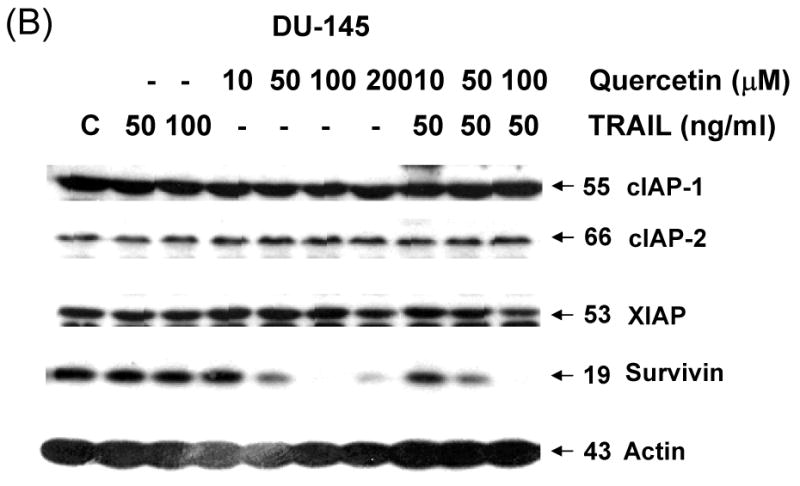
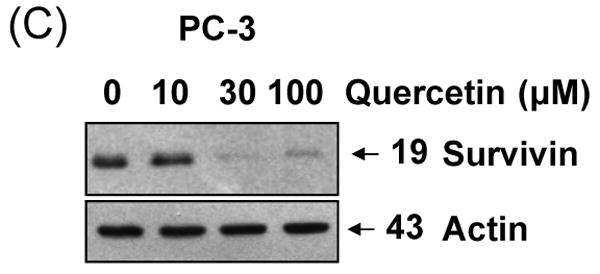
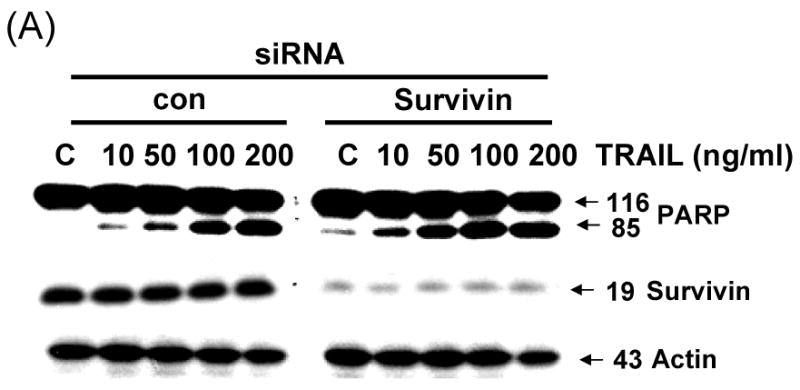
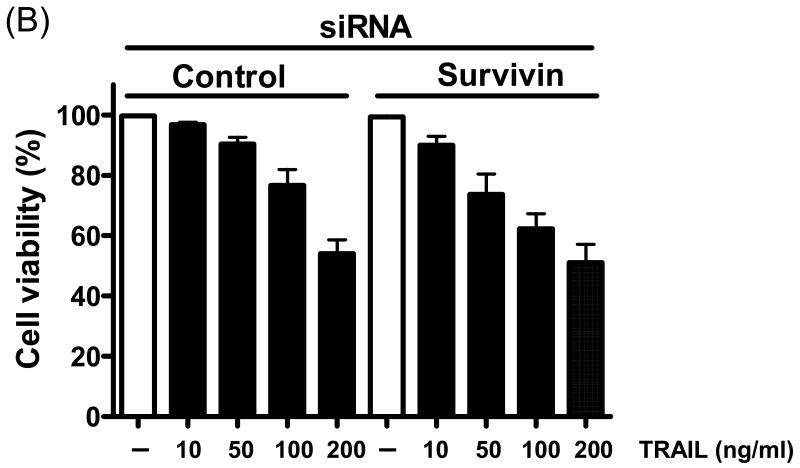
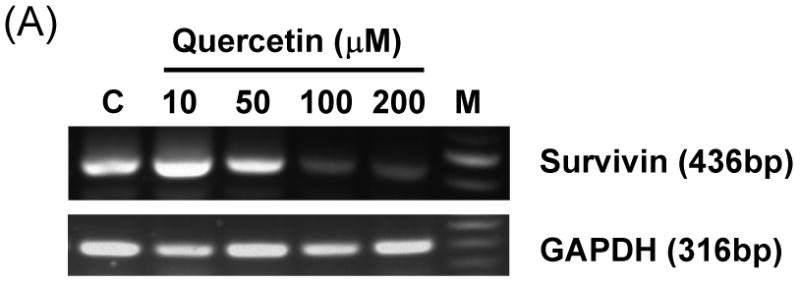
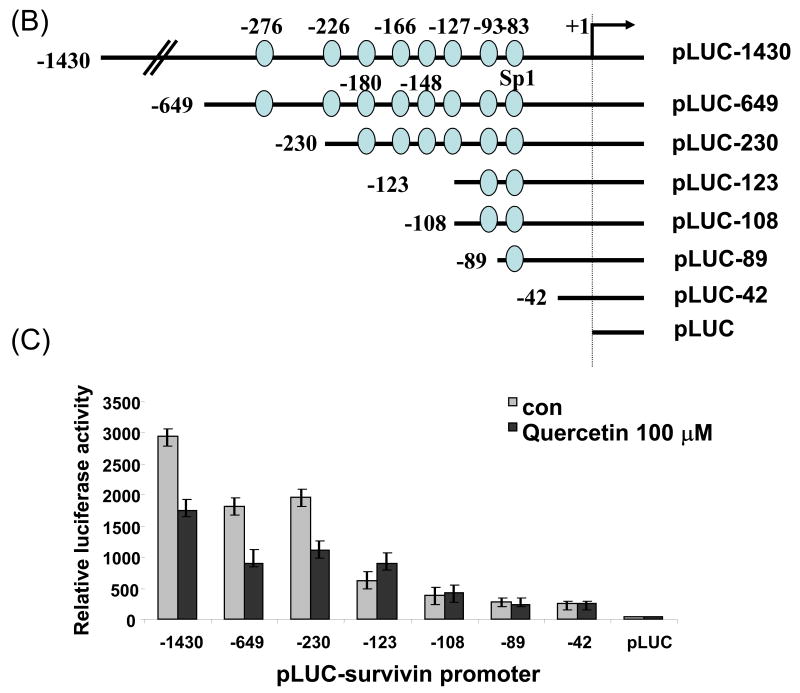
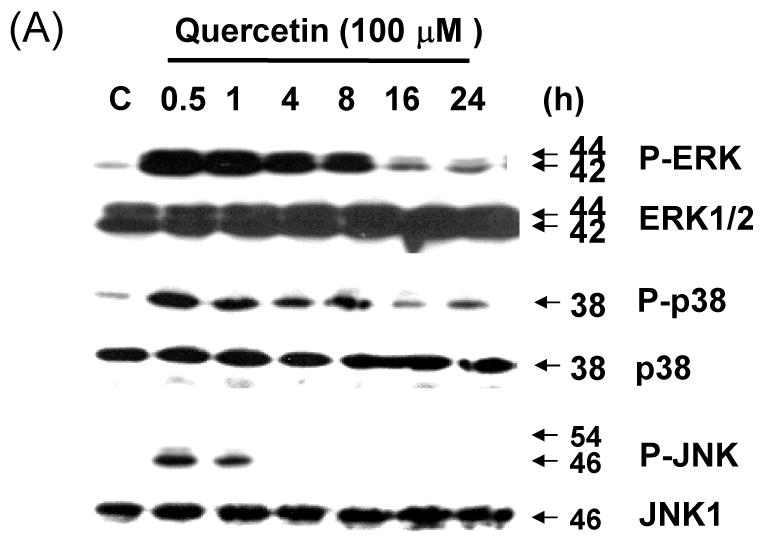
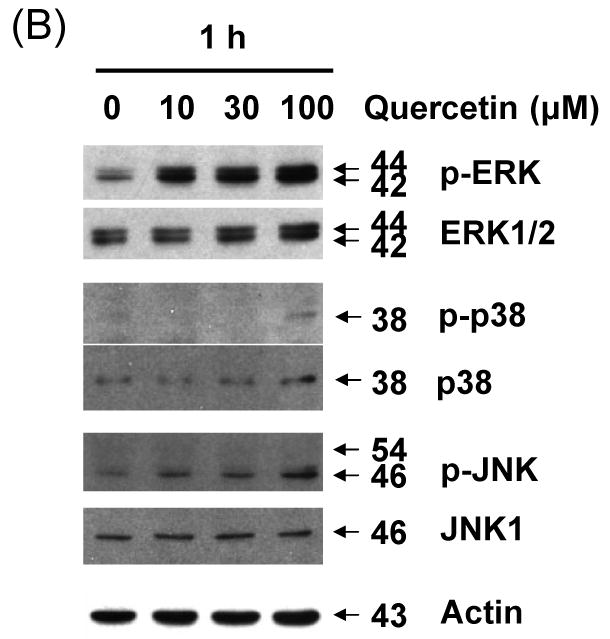
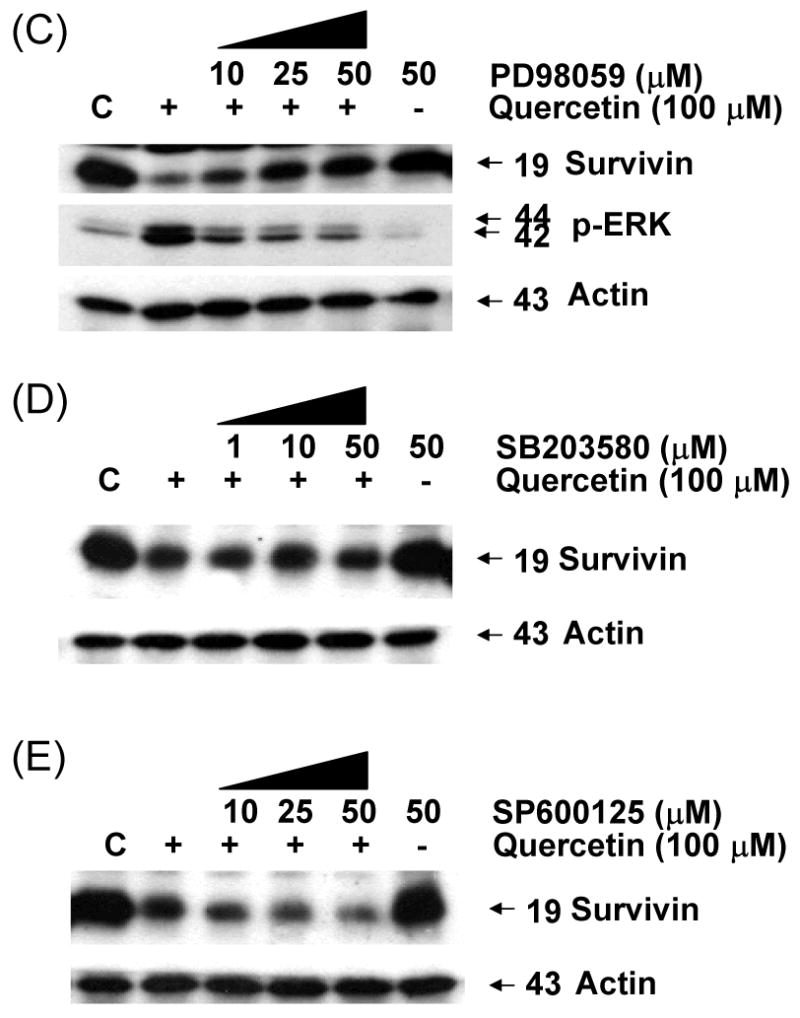
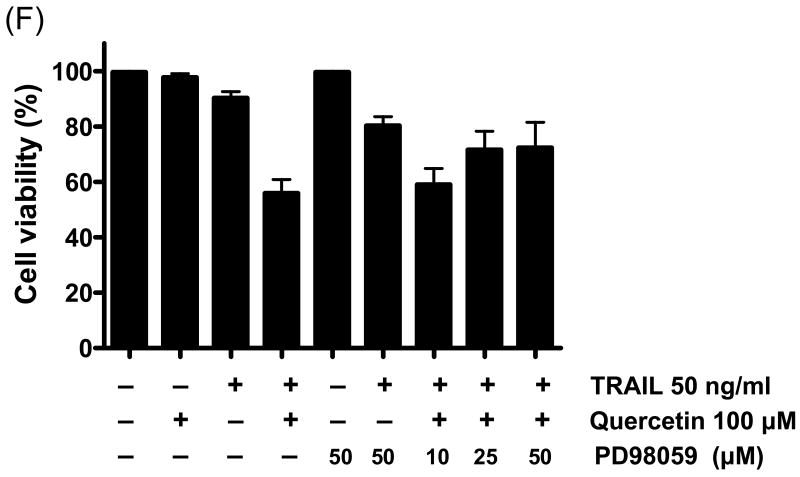
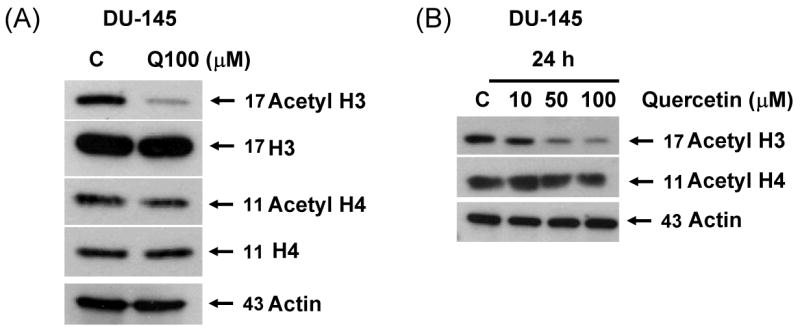
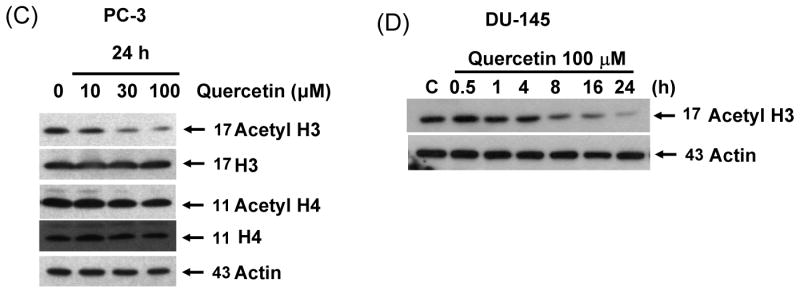
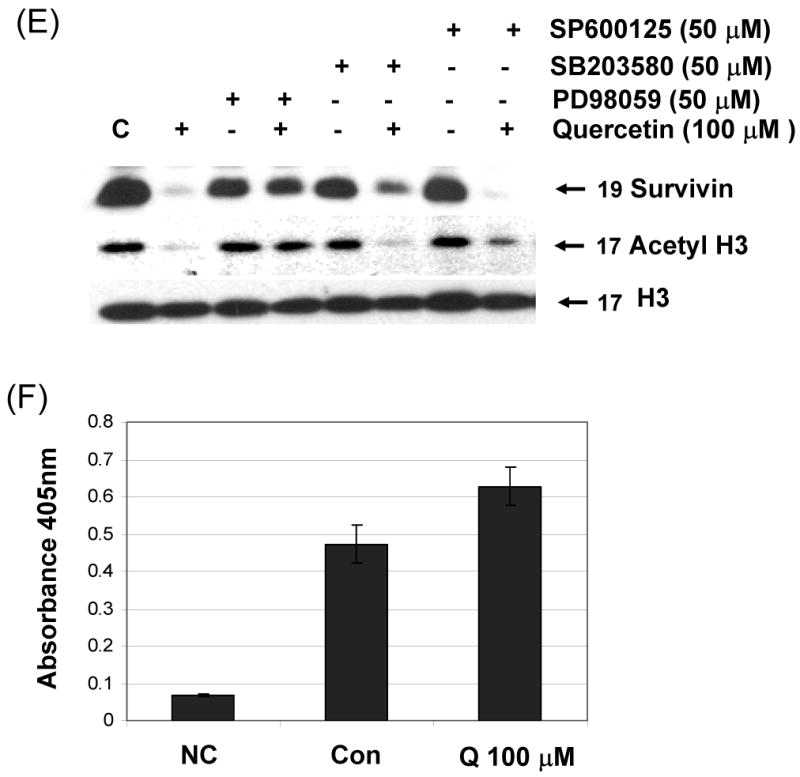
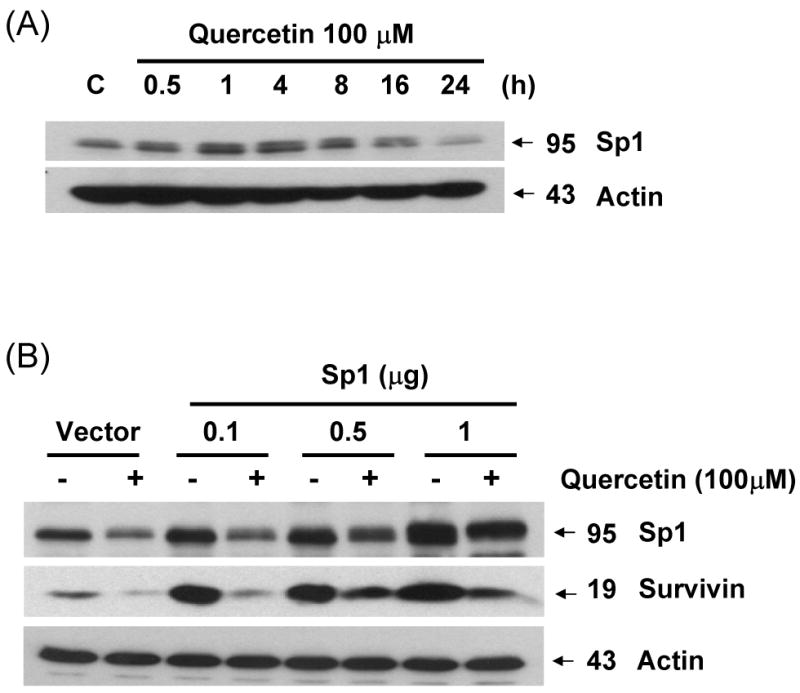
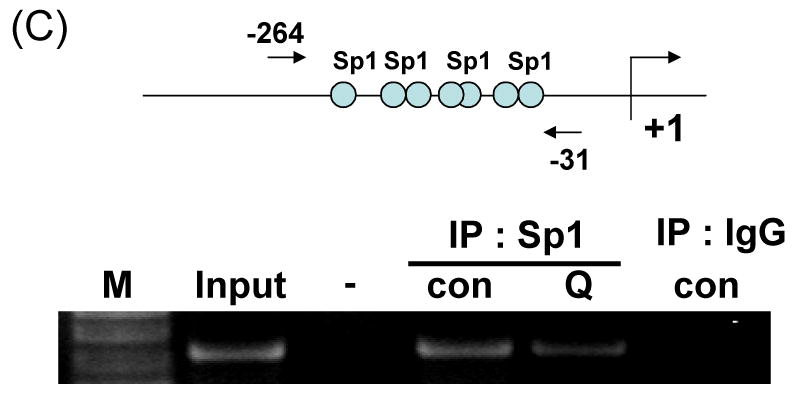
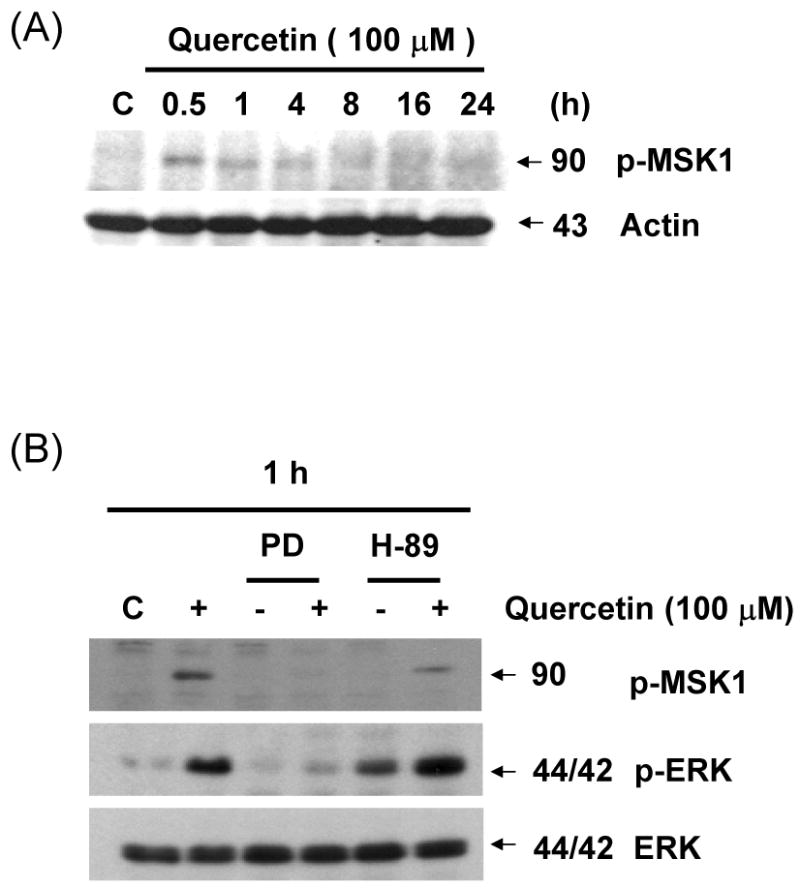
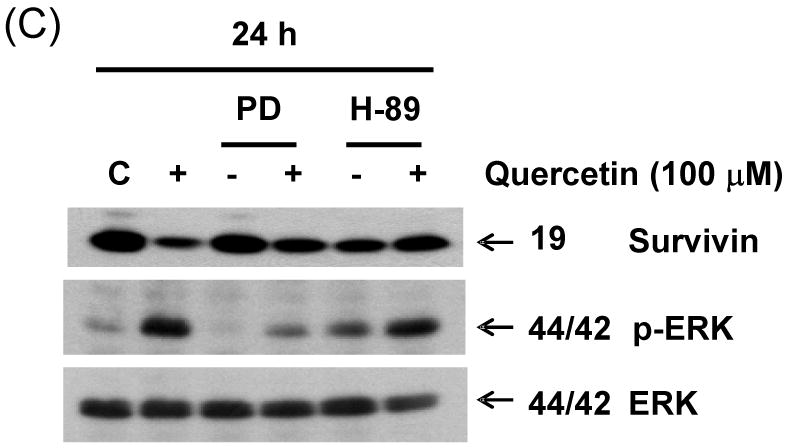
Combined treatment with quercetin and TRAIL induced cytotoxicity and enhanced annexin V staining and poly (ADP-ribose) polymerase (PARP) cleavage in human prostate cancer cell lines DU-145 and PC-3. These indicators of apoptosis resulted from the activation of caspase-8, -9, and -3. Although the expression levels of FLIPs, cIAP1, cIAP2, and the Bcl-2 family were not changed in quercetin-treated cells, significant downregulation of survivin occurred. Knockdown survivin by siRNA significantly increased TRAIL-induced apoptosis. We hypothesized that quercetin-induced activation of MAPK (ERK, p38, JNK) is responsible for downregulation of survivin gene expression. To test this hypothesis, we selectively inhibited MAPK during treatment with quercetin. Our data demonstrated that inhibitor of ERK (PD98059), but not p38 MAPK (SB203580) or JNK (SP600125), significantly maintained the intracellular level of survivin during treatment with quercetin. Interestingly, PD98059 also prevented quercetin-induced deacetylation of histone H3. Data from survivin promoter activity assay suggest that the Sp1 transcription factor binds to the survivin promoter region and quercetin inhibits its binding activity through deacetylation of histone H3. Quercetin-induced activation of the ERK-MSK1 signal transduction pathway may be responsible for deacetylation of histone H3. Taken together, our findings suggest that quercetin enhances TRAIL induced apoptosis by inhibition of survivin expression, through ERK-MSK1-mediated deacetylation of H3.
Figures
References
-
- Kelley SK, Ashkenazi A. Targeting death receptors in cancer with Apo2L/TRAIL. Curr Opin Pharmacol. 2004;4:333–9. - PubMed
-
- Thomas LR, Henson A, Reed JC, Salsbury FR, Thorburn A. Direct binding of Fas-associated death domain (FADD) to the tumor necrosis factor-related apoptosis-inducing ligand receptor DR5 is regulated by the death effector domain of FADD. J Biol Chem. 2004 Jul 30;279:32780–5. - PubMed
-
- Rowinsky EK. Targeted induction of apoptosis in cancer management: the emerging role of tumor necrosis factor-related apoptosis-inducing ligand receptor activating agents. J Clin Oncol. 2005;23:9394–407. - PubMed
-
- Block G, Patterson B, Subar A. Fruit, vegetables, and cancer prevention: a review of the epidemiological evidence. Nutr Cancer. 1992;18:1–29. - PubMed
-
- Agullo G, Gamet-Payrastre L, Manenti S, Viala C, Remesy C, Chap H, Payrastre B. Relationship between flavonoid structure and inhibition of phosphatidylinositol 3-kinase: a comparison with tyrosine kinase and protein kinase C inhibition. Biochem Pharmacol. 1997;53:1649–57. - PubMed
Publication types
MeSH terms
Substances
Grants and funding
LinkOut - more resources
Full Text Sources
Research Materials
Miscellaneous
