


T-cell regulation by CD46 and its relevance in multiple sclerosis
- PMID: 18384356
- PMCID: PMC2566619
- DOI: 10.1111/j.1365-2567.2008.02821.x
T-cell regulation by CD46 and its relevance in multiple sclerosis
Abstract
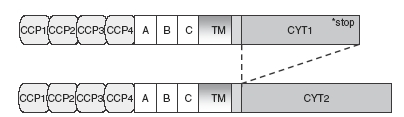
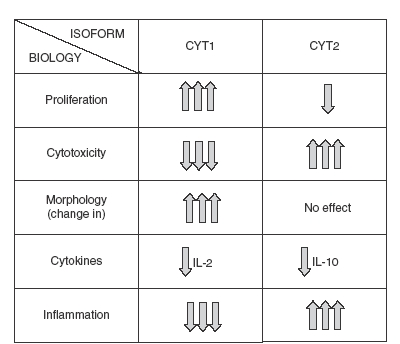
CD46 is a complement regulatory molecule expressed on every cell type, except for erythrocytes. While initially described as a regulator of complement activity, it later became a 'magnet for pathogens', binding to several viruses and bacteria. More recently, an alternative role for such complement molecules has emerged: they do regulate T-cell immunity, affecting T-cell proliferation and differentiation. In particular, CD46 stimulation induces Tr1 cells, regulatory T cells characterized by massive production of interleukin-10 (IL-10), a potent anti-inflammatory cytokine. Hence, CD46 is likely to control inflammation. Indeed, data from CD46 transgenic mice highlight a role for CD46 in inflammation, with antagonist roles depending on the cytoplasmic tail being expressed. Furthermore, recent data have shown that CD46 is defective in multiple sclerosis, IL-10 production being severely impaired in these patients. This lack of IL-10 production probably participates in the inflammation observed in patients with multiple sclerosis. This review will summarize the data on CD46 and T cells, and how CD46 is likely involved in multiple sclerosis.
Figures
References
-
- Hafler DA, Slavik JM, Anderson DE, O’Connor KC, De Jager P, Baecher-Allan C. Multiple sclerosis. Immunol Rev. 2005;204:208–31. - PubMed
-
- McQualter JL, Bernard CC. Multiple sclerosis: a battle between destruction and repair. J Neurochem. 2007;100:295–306. - PubMed
-
- Riley-Vargas RC, Gill DB, Kemper C, Liszewski MK, Atkinson JP. CD46: expanding beyond complement regulation. Trends Immunol. 2004;25:496–503. - PubMed
-
- Kemper C, Atkinson JP. T-cell regulation: with complements from innate immunity. Nat Rev Immunol. 2007;7:9–18. - PubMed
-
- Russell S. CD46: a complement regulator and pathogen receptor that mediates links between innate and acquired immune function. Tissue Antigens. 2004;64:111–8. - PubMed
Publication types
MeSH terms
Substances
LinkOut - more resources
Full Text Sources
Other Literature Sources
Medical
