


Molecular Yin and Yang of erectile function and dysfunction
- PMID: 18385905
- PMCID: PMC2893021
- DOI: 10.1111/j.1745-7262.2008.00396.x
Molecular Yin and Yang of erectile function and dysfunction
Abstract
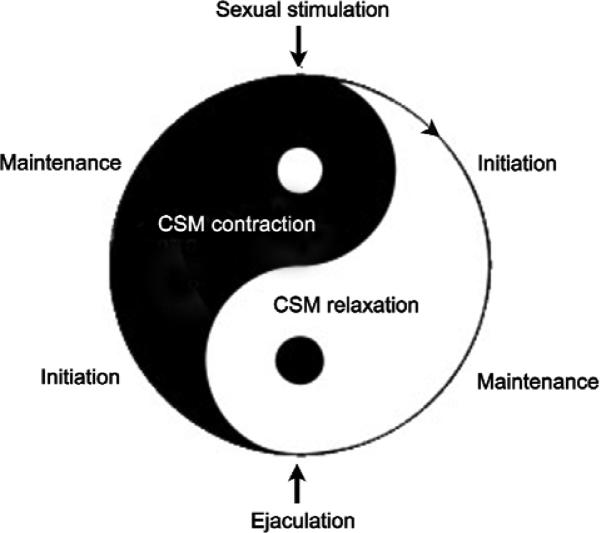
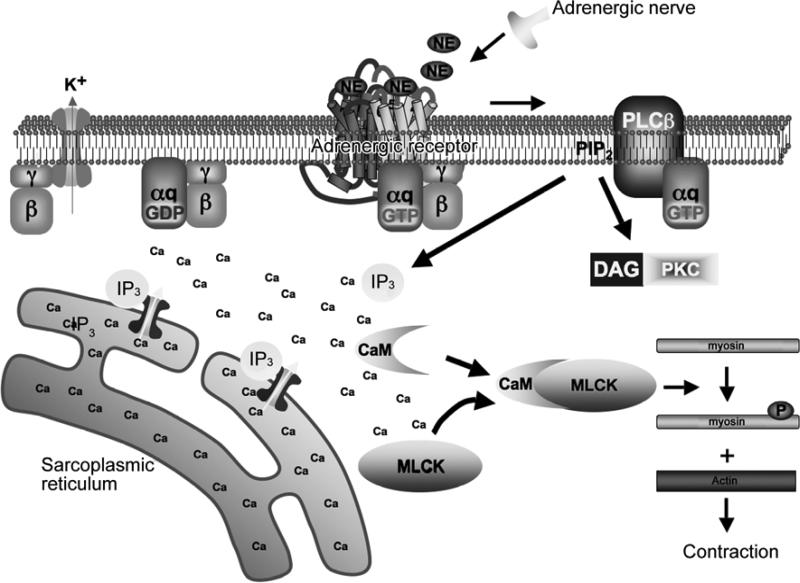
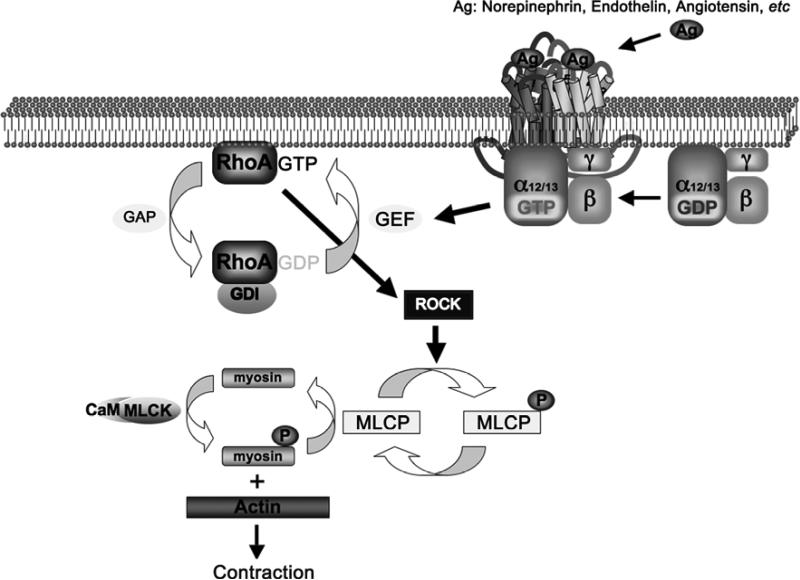
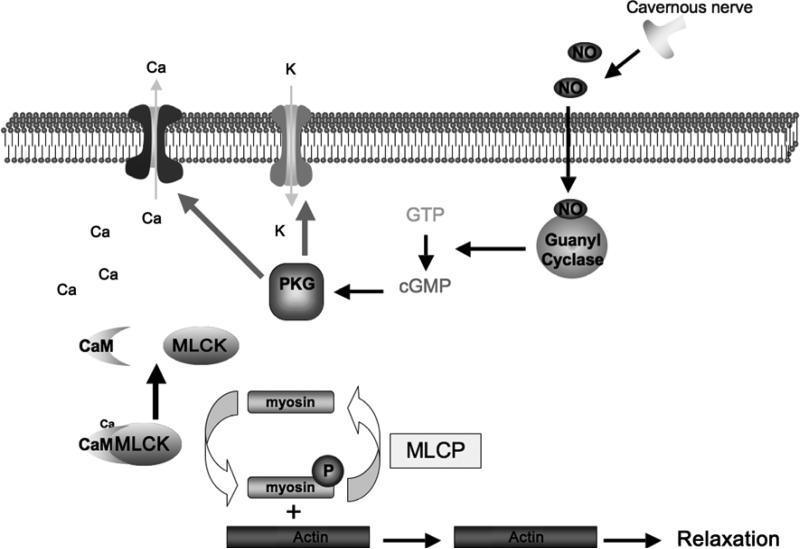
In regard to erectile function, Yin is flaccidity and Yang erection. In the past decade, research has mostly focused on the Yang aspect of erectile function. However, in recent years, the Yin side is attracting increasingly greater attention. This is due to the realization that penile flaccidity is no less important than penile erection and is actively maintained by mechanisms that play critical roles in certain types of erectile dysfunction (ED); for example, in diabetic patients. In addition, there is evidence that the Yin and Yang signaling pathways interact with each other during the transition from flaccidity to erection, and vice versa. As such, it is important that we view erectile function from not only the Yang but also the Yin side. The purpose of this article is to review recent advances in the understanding of the molecular mechanisms that regulate the Yin and Yang of the penis. Emphasis is given to the Rho kinase signaling pathway that regulates the Yin, and to the cyclic nucleotide signaling pathway that regulates the Yang. Discussion is organized in such a way so as to follow the signaling cascade, that is, beginning with the extracellular signaling molecules (e.g., norepinephrin and nitric oxide) and their receptors, converging onto the intracellular effectors (e.g., Rho kinase and protein kinase G), branching into secondary effectors, and finishing with contractile molecules and phosphodiesterases. Interactions between the Yin and Yang signaling pathways are discussed as well.
2008, Asian Journal of Andrology, SIMM and SJTU. All rights reserved.
Figures
References
-
- Saenz de Tejada I, Kim N, Lagan I, Krane RJ, Goldstein I. Regulation of adrenergic activity in penile corpus cavernosum. J Urol. 1989;142:1117–21. - PubMed
-
- Traish AM, Netsuwan N, Daley J, Padman-Nathan H, Goldstein I, Saenz de Tejada I. A heterogeneous population of alpha 1 adrenergic receptors mediates contraction of human corpus cavernosum smooth muscle to norepinephrine. J Urol. 1995;153:222–7. - PubMed
-
- Tong YC, Cheng JT. Subtyping of alpha1-adrenoceptors responsible for the contractile response in the rat corpus cavernosum. Neurosci Lett. 1997;228:159–62. - PubMed
-
- Veronneau-Longueville F, Rampin O, Jardin A, Benoit G, Giuliano F. Expression of alpha 1 adrenoceptor subtypes in rat corpus cavernosum. Int J Impot Res. 1998;10:187–94. - PubMed
-
- Goepel M, Krege S, Price DT, Michelotti GA, Schwinn DA, Michel MC. Characterization of alpha-adrenoceptor subtypes in the corpus cavernosum of patients undergoing sex change surgery. J Urol. 1999;162:1793–9. - PubMed
Publication types
MeSH terms
Grants and funding
LinkOut - more resources
Full Text Sources
Medical
Research Materials
Miscellaneous
