


Tailored intervention to increase dual-contraceptive method use: a randomized trial to reduce unintended pregnancies and sexually transmitted infections
- PMID: 18395692
- PMCID: PMC2535847
- DOI: 10.1016/j.ajog.2008.01.038
Tailored intervention to increase dual-contraceptive method use: a randomized trial to reduce unintended pregnancies and sexually transmitted infections
Abstract
Objective: The objective of the study was to determine whether a transtheoretical model-tailored expert system intervention increases dual-method contraceptive use, compared with a nontailored educational intervention.
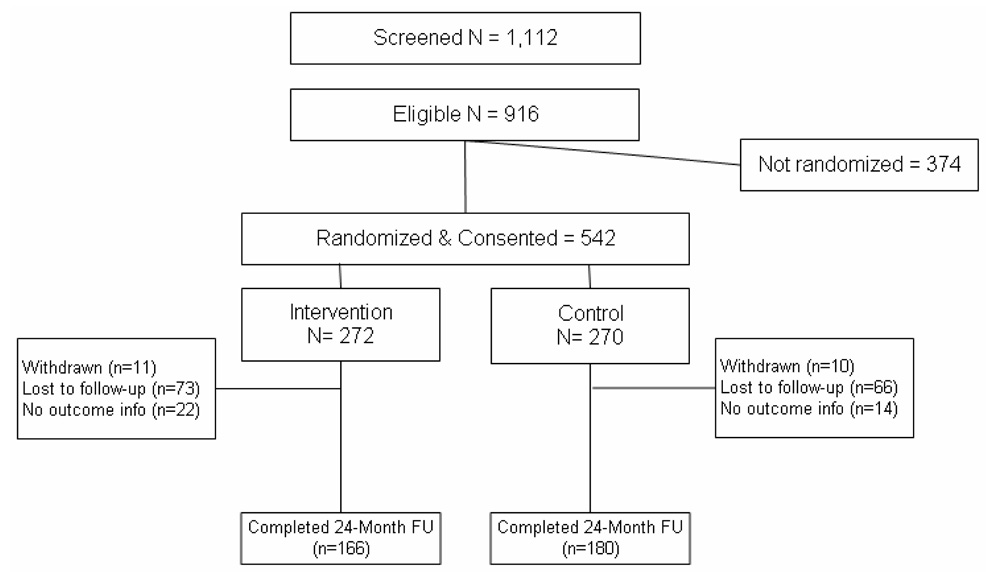
Study design: We performed a randomized clinical trial of 542 women at high risk for sexually transmitted infections (STIs) and unintended pregnancy. The intervention group received computer-based tailored feedback using a multimedia program. The control group received general contraceptive information and nontailored advice.
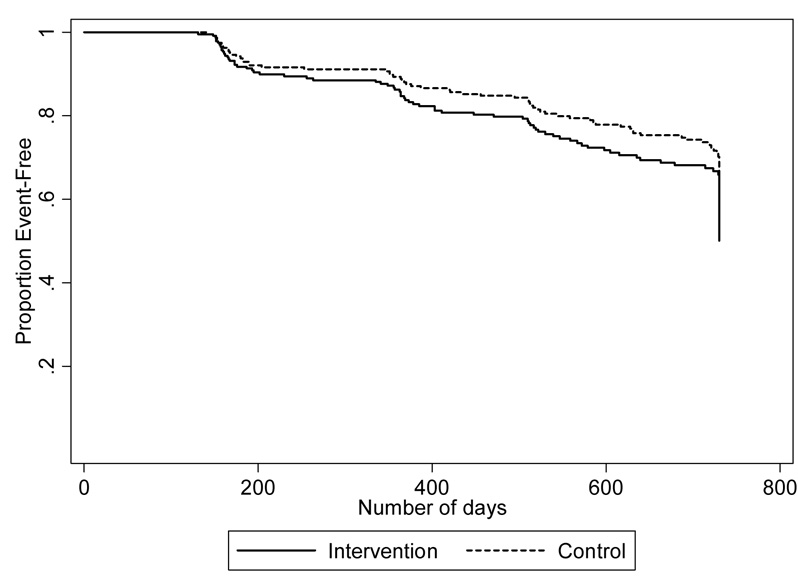
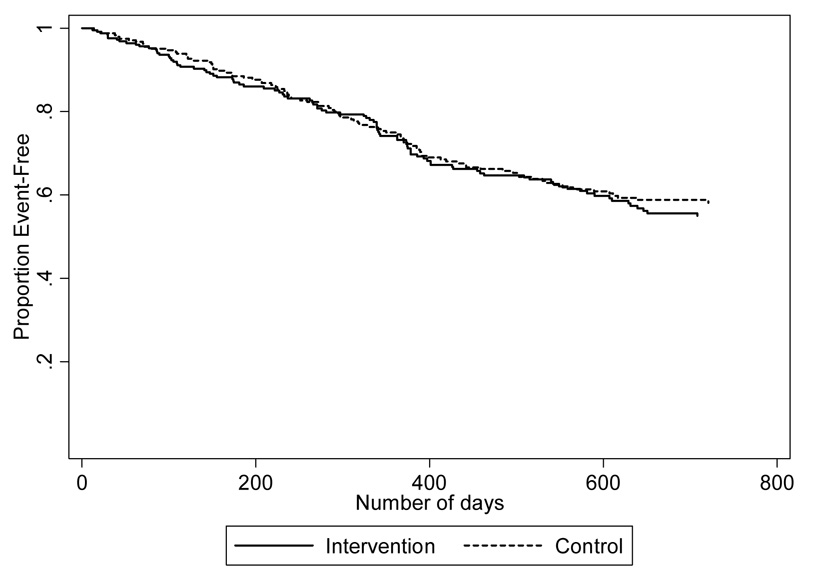
Results: Participants in the intervention group were more likely to report use of dual contraceptive methods during follow-up (adjusted hazard rate ratio 1.70, 95% confidence interval 1.09, 2.66), compared with controls. However, there were no differences in the rates of incident STI or unintended pregnancy between the 2 groups.
Conclusions: The computer-based transtheoretical model-tailored intervention resulted in a 70% increase in reported dual-method contraceptive use in a group of women at high risk for STIs and unintended pregnancy. Inconsistent use of dual methods may explain the lack of effect on unintended pregnancy rates and incident STIs.
Figures
References
-
- Population Council. Increase in effective contraceptive use can reduce abortion rate. Momentum Population Council. 2001
-
- Henshaw SK. Unintended pregnancy in the United States. Fam Plann Perspect. 1998;30:24–29. 46. - PubMed
-
- Finer LB, Henshaw SK. Disparities in rates of unintended pregnancy in the United States, 1994 and 2001. Perspect Sex Reprod Health. 2006;38:90–96. - PubMed
-
- Centers for Disease Control and Prevention. Sexually Transmitted Disease Surveillance, 2005. Atlanta, GA: US Department of Health and Human Services; 2006.
-
- Moodley P, Connolly C, Sturm AW. Interrelationships among human immunodeficiency virus type 1 infection, bacterial vaginosis, trichomoniasis, and the presence of yeasts. J Infect Dis. 2002;185:69–73. - PubMed
