


Differential effect of ascorbic acid and n-acetyl-L-cysteine on arsenic trioxide-mediated oxidative stress in human leukemia (HL-60) cells
- PMID: 18418892
- PMCID: PMC2678234
- DOI: 10.1002/jbt.20223
Differential effect of ascorbic acid and n-acetyl-L-cysteine on arsenic trioxide-mediated oxidative stress in human leukemia (HL-60) cells
Abstract
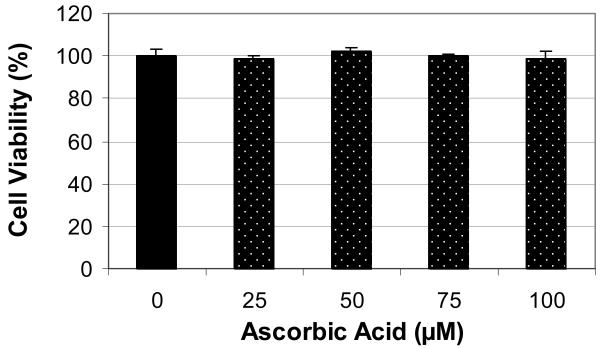
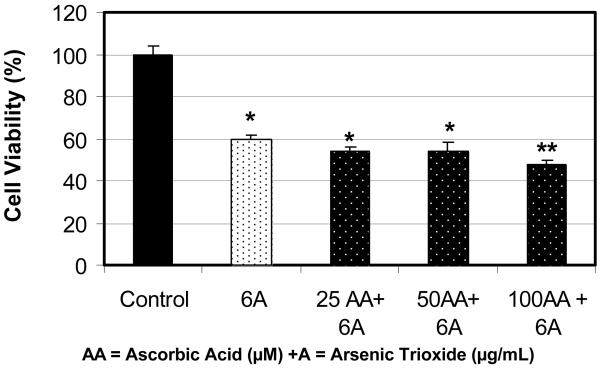
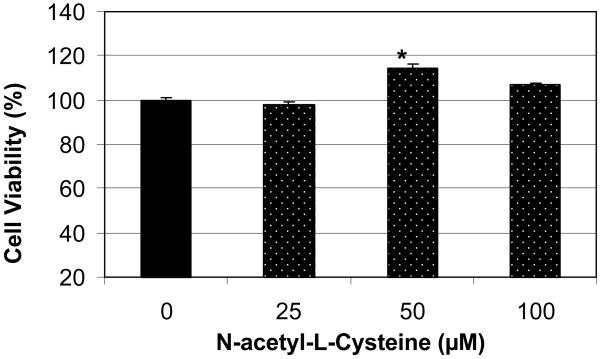
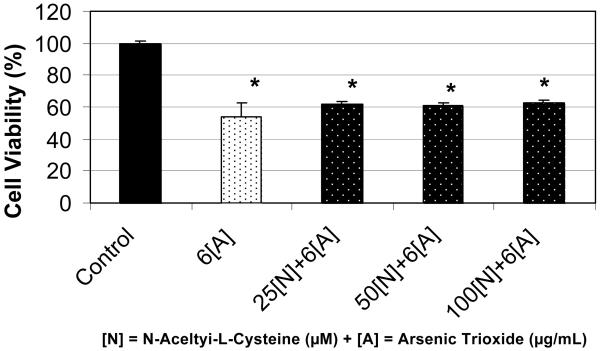
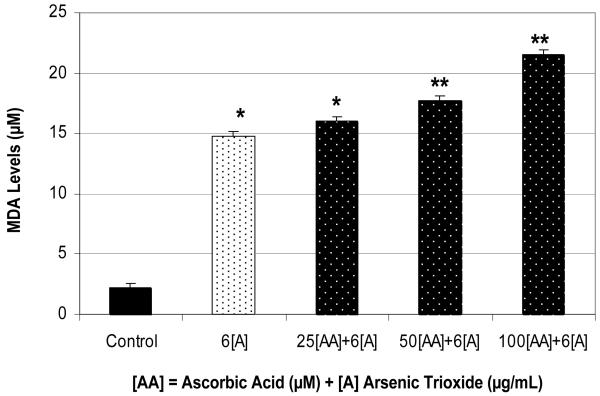
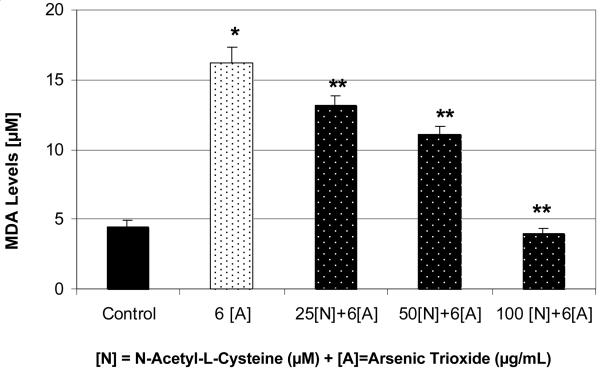
Arsenic trioxide (ATO) has been recommended for the treatment of refractory cases of acute promyelocytic leukemia (APL). Recent studies in our laboratory indicated that oxidative stress plays a key role in ATO-induced cytotoxicity in human leukemia (HL-60) cells. In the present investigation, we performed the MTT assay and trypan blue exclusion test for cell viability. We also performed the thiobarbituric acid test to determine the levels of malondialdehyde (MDA) production in HL-60 cells coexposed to either ascorbic acid (AA) and ATO or to n-acetyl-L-cysteine (NAC) and ATO. The results of MTT assay indicated that AA exposure potentiates the cytotoxicity of ATO in HL-60 cells, as evidenced by a gradual increase in MDA levels with increasing doses of AA. In contrary, the addition of NAC to ATO-treated HL-60 cells resulted in a dose-dependent decrease of MDA production. From these results, we conclude that the addition of the AA to ATO-treated HL-60 cells enhances the formation of reactive oxygen species (ROS), whereas the addition of NAC under the same experimental condition significantly (p < .05) decreases the level of ROS formation. On the basis of these direct in vitro findings, our studies provide evidence that AA may extend the therapeutic spectrum of ATO. The coadministration of NAC with ATO shows a potential specificity for tumor cells, indicating that it may not enhance the clinical outcome associated with ATO monotherapy in vivo.
2008 Wiley Periodicals, Inc.
Figures
References
-
- Soignet SL, Maslak P, Wang ZG, Jhanwar S, Calleja E, Dardashti LJ, Corso D, DeBlasio A, Gabrilove J, Scheinberg DA, Pandolfi PP, Warrell RP. Complete Remission after Treatment of Acute Promyelocytic Leukemia with Arsenic Trioxide. N Engl J Med. 1998;339:1341–1348. - PubMed
-
- Soignet SL, Frankel SR, Douer D, Tallman MS, Kantarjian H, Calleja E, Stone RM, Kalaycio M, Scheinberg DA, Steinherz P, Sievers EL, Coutré S, Dahlberg S, Ellison R, Warrell RP., Jr. United States multicenter study of arsenic trioxide in relapsed acute promyelocytic leukemia. J Clin Oncol. 2001;19:3852–3860. - PubMed
-
- Yi J, Yang J, He R, Gao F, Sang H, Tang X, Ye RD. Emodin enhances arsenic trioxide-induced apoptosis via generation of reactive oxygen species and inhibition of survival signaling. Cancer Res. 2004;64:108–116. - PubMed
-
- Frei Balz. Reactive oxygen species and antioxidant vitamins: mechansims of action. American Journal of Medicine. 1994 September 26;97(Suppl 3A):5S–13S. - PubMed
-
- Pauling L. Vitamin C and the Common Cold. Freeman; San Francisco, CA: 1970.
Publication types
MeSH terms
Substances
Grants and funding
LinkOut - more resources
Full Text Sources
Medical
