


Effects of a high fat diet on bone of growing rats. Correlations between visceral fat, adiponectin and bone mass density
- PMID: 18442361
- PMCID: PMC2386795
- DOI: 10.1186/1476-511X-7-16
Effects of a high fat diet on bone of growing rats. Correlations between visceral fat, adiponectin and bone mass density
Abstract
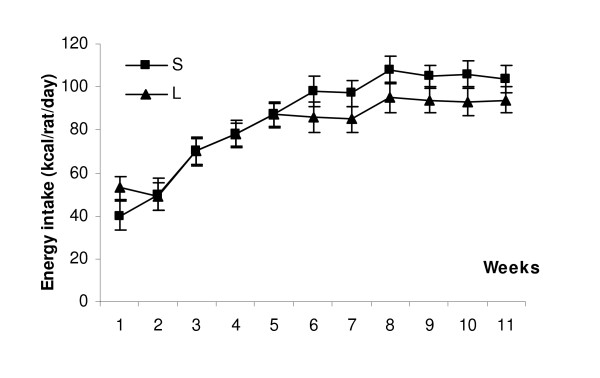
In this study, we investigated some bone parameters (bone mineral content, bone mineral density, skeleton area) in growing rats fed with a high fat diet. Correlations between bone and body composition parameters are reported. Two groups of Wistar male rats (35 days old, body mass 80 +/- 6 g) were used. Water and food were given "ad libitum" during 10 weeks. Sixteen rats (L) were given a lipid enriched diet and were compared to 16 rats (S) fed with a standard diet. Body composition and bone parameters were assessed using DXA. Results indicated that L rats had lower body mass, lean body mass; fat mass was not different between the two groups. Bone mineral content, bone mineral density, skeleton area of L rats were lower compared with S rats. Significant correlations were noted between body composition, adiponectin and bone parameters. High fat diet intake during the growing period has deleterious effects on bone parameters in rats. This study confirms in growing rats that a high fat diet is pathogenic, including bone metabolism.
Figures
References
-
- Bertoli S, Striul L, Testolin G, Cardinali S, Veggiotti P, Salvatori GC, Tagliabue A. Nutritional status and bone mineral mass in children treated with ketogenic diet. Recenti Prog Med. 2002;93:671–675. - PubMed
-
- Smith EE, Ferguson VL, Simske SJ, Gayles EC, Pagliassotti MJ. Effects of high fat or high sucrose diets on rat femora mechanical and compositional properties. Biomed Sci Instrum. 2000;36:385–390. - PubMed
MeSH terms
Substances
LinkOut - more resources
Full Text Sources
Medical
