


Evidence vs experience in neonatal practices in necrotizing enterocolitis
- PMID: 18446181
- PMCID: PMC7100053
- DOI: 10.1038/jp.2008.43
Evidence vs experience in neonatal practices in necrotizing enterocolitis
Abstract
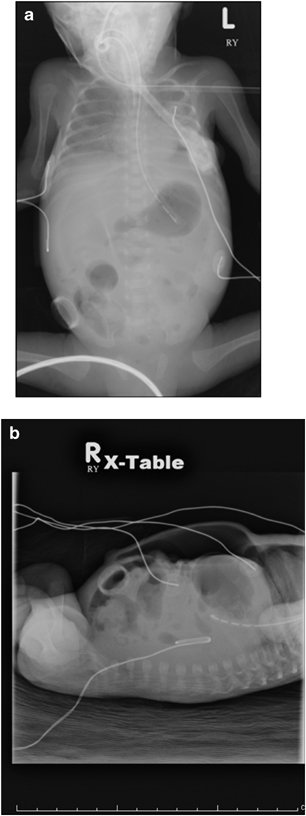
Introduction: Necrotizing enterocolitis (NEC) has been recognized for over 40 years as a cause of inflammation and necrosis of the small and large intestine of infants born at less than 36 weeks of gestation. NEC remains a significant health problem for infants born prematurely and may become the leading cause of morbidity and mortality among these infants worldwide. The sequence of events leading to NEC is complex and multifactorial, although damage to the intestinal epithelium and invasion by bacteria are known to play central roles in disease pathogenesis.
Study design: Bacteria initiate a cascade of inflammation that may progress to intestinal necrosis and perforation with sepsis and death.
Result: Treatment of infants at risk for NEC with probiotic bacteria may be an area of great potential, as probiotic bacteria may promote maturation of the epithelial barrier and function to exclude bacterial pathogens from critical niches in the intestine, thereby disrupting a primary pathway in disease pathogenesis.
Conclusion: Understanding how probiotic bacteria, or other novel therapies, prevent or limit disease propagation in NEC will be paramount in limiting the impact of disease in a growing population of premature newborns.
Figures
References
-
- Blakely ML, Lally KP, McDonald S, Brown RL, Barnhart DC, Ricketts RR, NEC Subcommittee of the NICHD Neonatal Research Network Postoperative outcomes of extremely low birth-weight infants with necrotizing enterocolitis or isolated intestinal perforation: a prospective cohort study by the NICHD Neonatal Research Network. Ann Surg. 2005;241:984–989. doi: 10.1097/01.sla.0000164181.67862.7f. - DOI - PMC - PubMed
Publication types
MeSH terms
Substances
Grants and funding
LinkOut - more resources
Full Text Sources
Medical
