


The international spine registry SPINE TANGO: status quo and first results
- PMID: 18446386
- PMCID: PMC2527410
- DOI: 10.1007/s00586-008-0665-2
The international spine registry SPINE TANGO: status quo and first results
Erratum in
- Eur Spine J. 2008 Sep;17(9):1210
Abstract
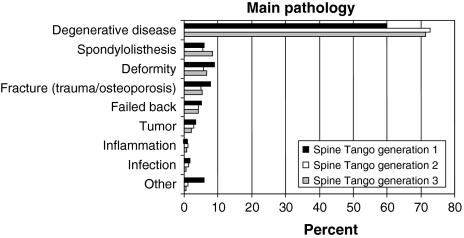
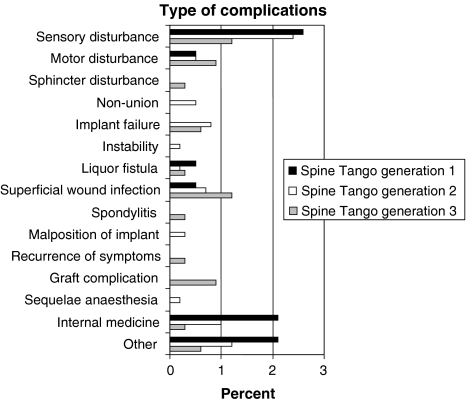
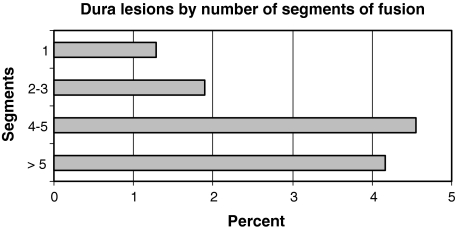
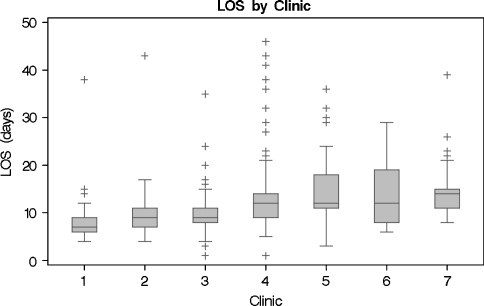
With an official life time of over 5 years, Spine Tango can meanwhile be considered the first international spine registry. In this paper we present an overview of frequency statistics of Spine Tango for demonstrating the genesis of questionnaire development and the constantly increasing activity in the registry. Results from two exemplar studies serve for showing concepts of data analysis applied to a spine registry. Between 2002 and 2006, about 6,000 datasets were submitted by 25 centres. Descriptive analyses were performed for demographic, surgical and follow-up data of three generations of the Spine Tango surgery and follow-up forms. The two exemplar studies used multiple linear regression models to identify potential predictor variables for the occurrence of dura lesions in posterior spinal fusion, and to evaluate which covariates influenced the length of hospital stay. Over the study period there was a rise in median patient age from 52.3 to 58.6 years in the Spine Tango data pool and an increasing percentage of degenerative diseases as main pathology from 59.9 to 71.4%. Posterior decompression was the most frequent surgical measure. About one-third of all patients had documented follow-ups. The complication rate remained below 10%. The exemplar studies identified "centre of intervention" and "number of segments of fusion" as predictors of the occurrence of dura lesions in posterior spinal fusion surgery. Length of hospital stay among patients with posterior fusion was significantly influenced by "centre of intervention", "surgeon credentials", "number of segments of fusion", "age group" and "sex". Data analysis from Spine Tango is possible but complicated by the incompatibility of questionnaire generations 1 and 2 with the more recent generation 3. Although descriptive and also analytic studies at evidence level 2++ can be performed, findings cannot yet be generalised to any specific country or patient population. Current limitations of Spine Tango include the low number and short duration of follow-ups and the lack of sufficiently detailed patient data on subgroup levels. Although the number of participants is steadily growing, no country is yet represented with a sufficient number of hospitals. Nevertheless, the benefits of the project for the whole spine community become increasingly visible.
Figures

References
-
- Audige L, Hanson B, Kopjar B (2006) Issues in the planning and conduct of non-randomised studies. Injury 37:340–348. Epub 2006 Feb 17 - PubMed
MeSH terms
LinkOut - more resources
Full Text Sources
Medical
