Viral communities associated with healthy and bleaching corals
- PMID: 18479440
- PMCID: PMC2702503
- DOI: 10.1111/j.1462-2920.2008.01652.x
Viral communities associated with healthy and bleaching corals
Abstract
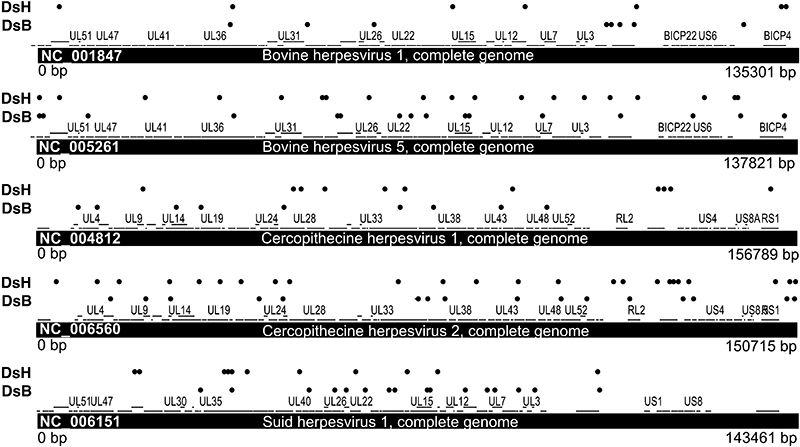
The coral holobiont is the integrated assemblage of the coral animal, its symbiotic algae, protists, fungi and a diverse consortium of Bacteria and Archaea. Corals are a model system for the study of symbiosis, the breakdown of which can result in disease and mortality. Little is known, however, about viruses that infect corals and their symbionts. Here we present metagenomic analyses of the viral communities associated with healthy and partially bleached specimens of the Caribbean reef-building coral Diploria strigosa. Surprisingly, herpes-like sequences accounted for 4-8% of the total sequences in each metagenome; this abundance of herpes-like sequences is unprecedented in other marine viral metagenomes. Viruses similar to those that infect algae and plants were also present in the coral viral assemblage. Among the phage identified, cyanophages were abundant in both healthy and bleaching corals and vibriophages were also present. Therefore, coral-associated viruses could potentially infect all components of the holobiont--coral, algal and microbial. Thus, we expect viruses to figure prominently in the preservation and breakdown of coral health.
Figures
References
-
- Altschul SF, Gish W, Miller W, Myers EW, Lipman DJ. Basic local alignment search tool. J Mol Biol. 1990;215:403–410. - PubMed
-
- Bak R, Joenje M, de Jong I, Lambrechts D, Nieuwland G. Bacterial suspension feeding by coral reef benthic organisms. Mar Ecol Prog Ser. 1998;175:285–288.
Publication types
MeSH terms
Substances
LinkOut - more resources
Full Text Sources