


Quantifying food intake in socially housed monkeys: social status effects on caloric consumption
- PMID: 18486158
- PMCID: PMC2490628
- DOI: 10.1016/j.physbeh.2008.03.019
Quantifying food intake in socially housed monkeys: social status effects on caloric consumption
Abstract
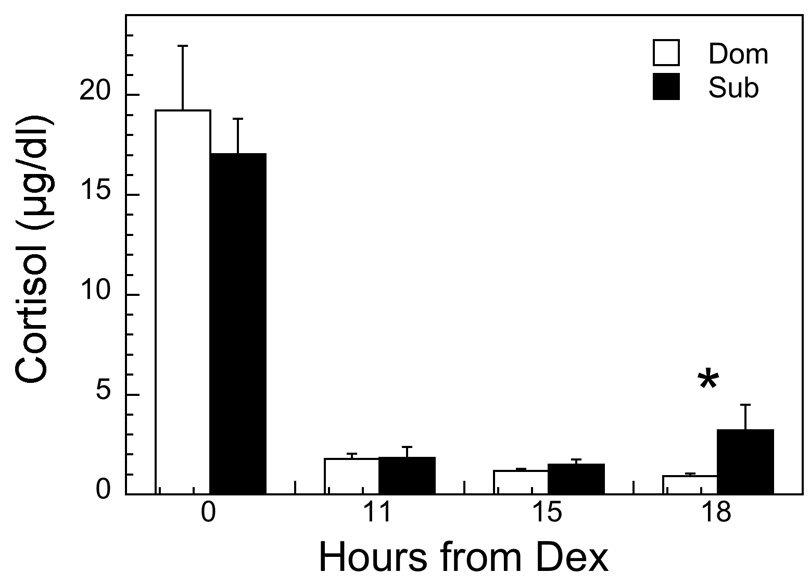
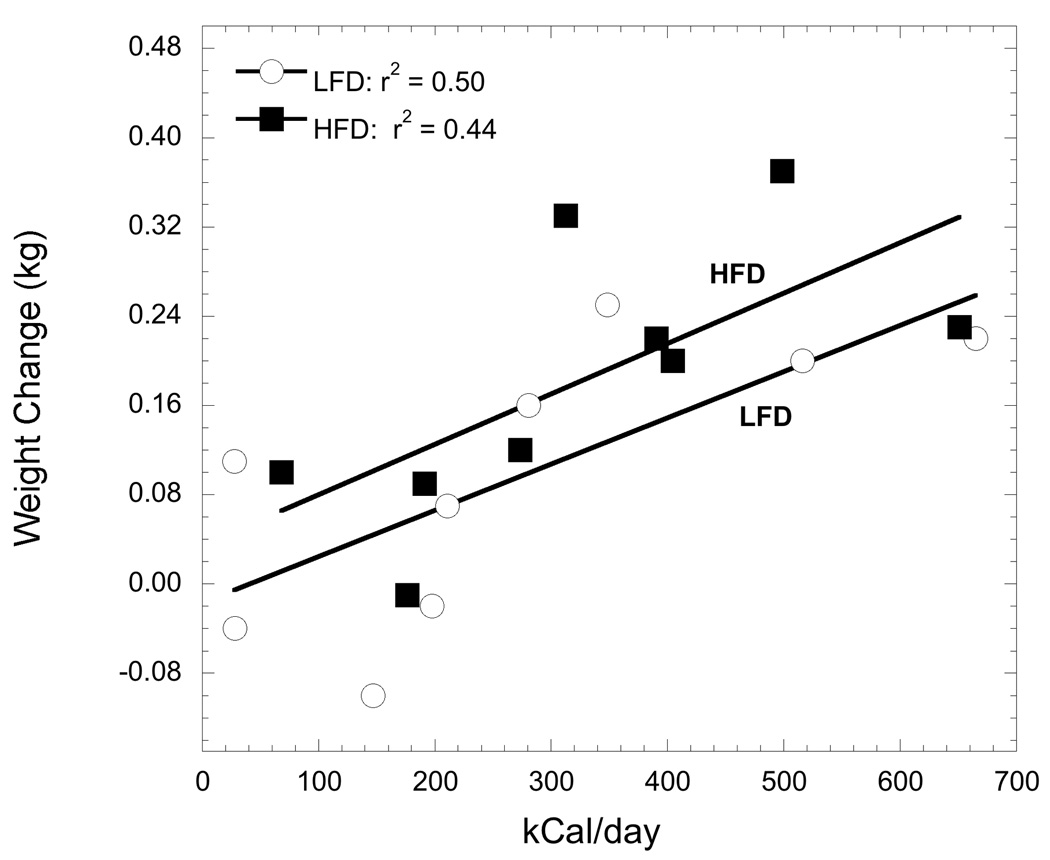
Obesity results from a number of factors including socio-environmental influences and rodent models show that several different stressors increase the preference for calorically dense foods leading to an obese phenotype. We present here a non-human primate model using socially housed adult female macaques living in long-term stable groups given access to diets of different caloric density. Consumption of a low fat (LFD; 15% of calories from fat) and a high fat diet (HFD; 45% of calories from fat) was quantified by means of a custom-built, automated feeder that dispensed a pellet of food when activated by a radiofrequency chip implanted subcutaneously in the animal's wrist. Socially subordinate females showed indices of chronic psychological stress having reduced glucocorticoid negative feedback and higher frequencies of anxiety-like behavior. Twenty-four hour intakes of both the LFD and HFD were significantly greater in subordinates than dominates, an effect that persisted whether standard monkey chow (13% of calories from fat) was present or absent. Furthermore, although dominants restricted their food intake to daylight, subordinates continued to feed at night. Total caloric intake was significantly correlated with body weight change. Collectively, these results show that food intake can be reliably quantified in non-human primates living in complex social environments and suggest that socially subordinate females consume more calories, suggesting this ethologically relevant model may help understand how psychosocial stress changes food preferences and consumption leading to obesity.
Figures



References
-
- Ogden CL, Carroll MD, Curtin LR, McDowell MA, Tabak CJ, Flegal KM. Prevalence of overweight and obesity in the United States, 1999–2004. Jama. 2006;295:1549–1555. - PubMed
-
- Hedley AA, Ogden CL, Johnson CL, Carroll MD, Curtin LR, Flegal KM. Prevalence of overweight and obesity among US children, adolescents, and adults, 1999–2002. Jama. 2004;291:2847–2850. - PubMed
-
- Brunner EJ, Chandola T, Marmot MG. Prospective effect of job strain on general and central obesity in the Whitehall II Study. Am J Epidemiol. 2007;165:828–837. - PubMed
-
- Hill JO. Understanding and addressing the epidemic of obesity: an energy balance perspective. Endocr Rev. 2006;27:750–761. - PubMed
-
- Pecoraro N, Reyes F, Gomez F, Bhargava A, Dallman MF. Chronic stress promotes palatable feeding, which reduces signs of stress: Feedforward and feedback effects of chronic stress. Endocrinology. 2004;145:3754–3762. - PubMed
Publication types
MeSH terms
Grants and funding
LinkOut - more resources
Full Text Sources
Medical
