


What's left in asymmetry?
- PMID: 18488999
- PMCID: PMC2597074
- DOI: 10.1002/dvdy.21560
What's left in asymmetry?
Abstract
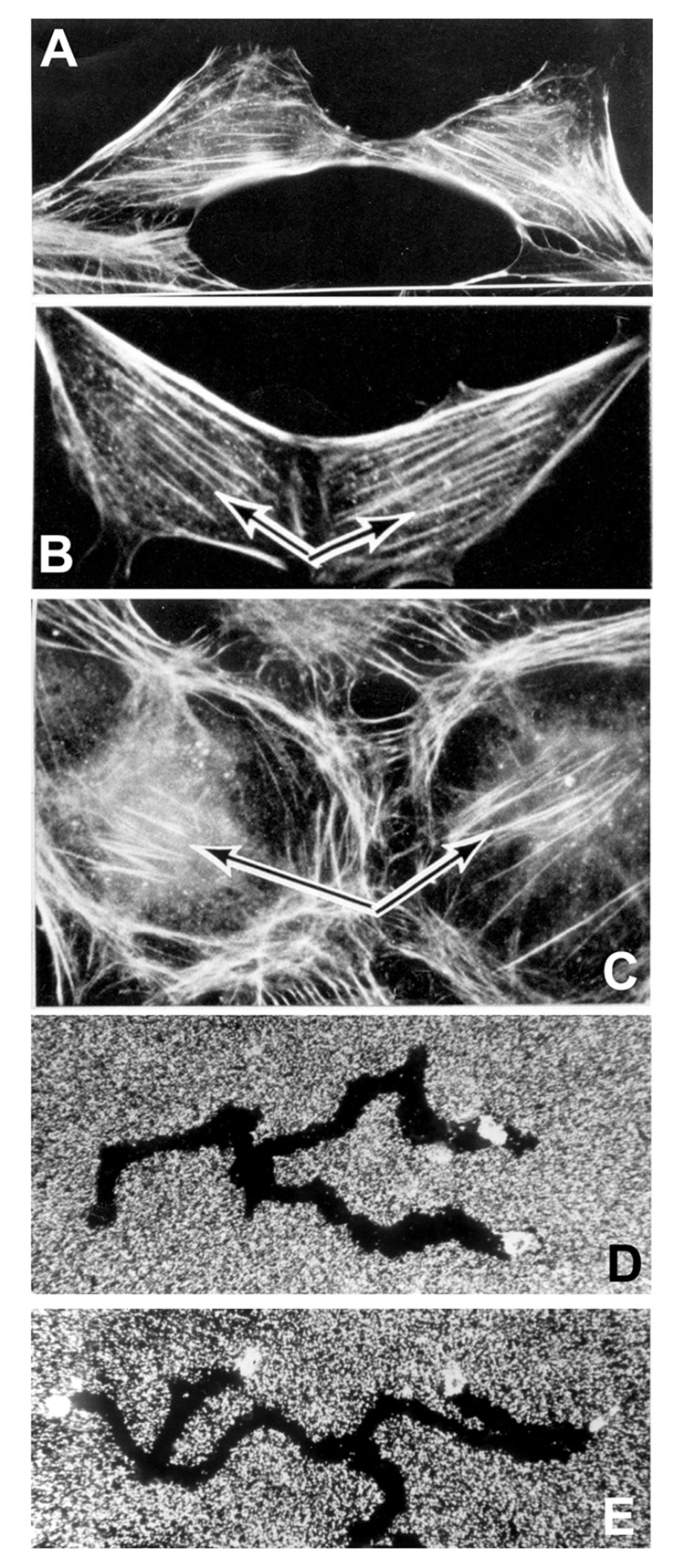
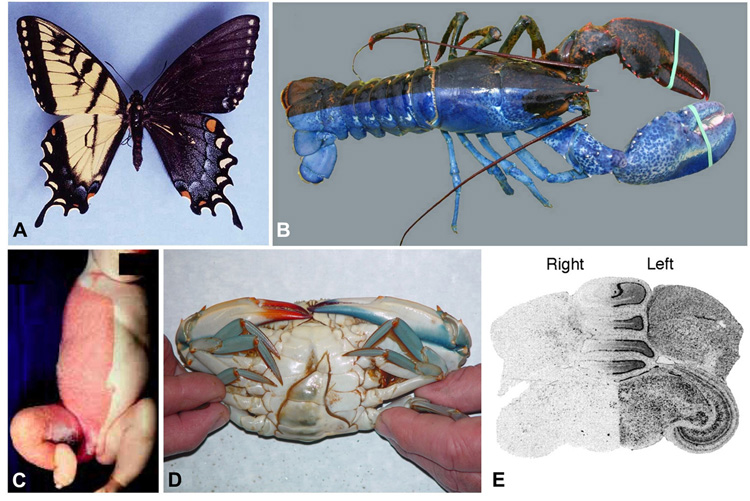
Left-right patterning is a fascinating problem of morphogenesis, linking evolutionary and cellular signaling mechanisms across many levels of organization. In the past 15 years, enormous progress has been made in elucidating the molecular details of this process in embryos of several model species. While many outside the field seem to believe that the fundamental aspects of this pathway are now solved, workers on asymmetry are faced with considerable uncertainties over the details of specific mechanisms, a lack of conceptual unity of mechanisms across phyla, and important questions that are not being pursued in any of the popular model systems. Here, we suggest that data from clinical syndromes, cryptic asymmetries, and bilateral gynandromorphs, while not figuring prominently in the mainstream work on LR asymmetry, point to crucial and fundamental gaps of knowledge about asymmetry. We identify 12 big questions that provide exciting opportunities for fundamental new advances in this field.
(c) 2008 Wiley-Liss, Inc.
Figures
References
-
- Abe T, Thitamadee S, Hashimoto T. Microtubule defects and cell morphogenesis Nin the lefty1lefty2 tubulin mutant of Arabidopsis thaliana. Plant Cell Physiol. 2004;45:211–220. - PubMed
-
- Afzelius BA. A human syndrome caused by immotile cilia. Science. 1976;193:317–319. - PubMed
-
- Albertson RC, Yelick PC. Roles for fgf8 signaling in left-right patterning of the visceral organs and craniofacial skeleton. Dev Biol. 2005 - PubMed
Publication types
MeSH terms
Grants and funding
LinkOut - more resources
Full Text Sources
Miscellaneous
