


Treatment of non-alcoholic fatty liver disease
- PMID: 18516264
- PMCID: PMC2387293
Treatment of non-alcoholic fatty liver disease
Abstract
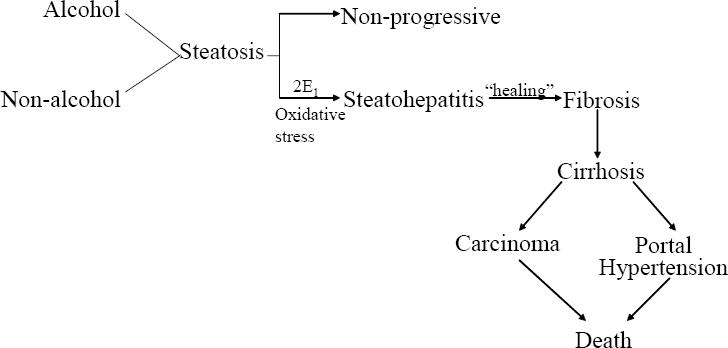
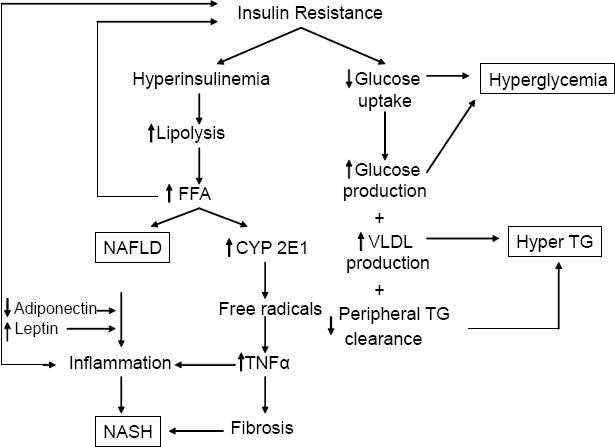
Non-alcoholic fatty liver disease, defined as the presence of macrovascular steatosis in the presence of less than 20 gm of alcohol ingestion per day, is the most common liver disease in the USA. It is most commonly associated with insulin resistance/type 2 diabetes mellitus and obesity. It is manifested by steatosis, steatohepatitis, cirrhosis, and, rarely, hepatocellular carcinoma.Hepatic steatosis results from an imbalance between the uptake of fat and its oxidation and export. Insulin resistance, predisposing to lipolysis of peripheral fat with mobilization to and uptake of fatty acids by the liver, is the most consistent underlying pathogenic factor. It is not known why some patients progress to cirrhosis; however, the induction of CYP 2E1 with generation of reactive oxygen species appears to be important.Treatment is directed at weight loss plus pharmacologic therapy targeted toward insulin resistance or dyslipidemia. Bariatric surgery has proved effective. While no pharmacologic therapy has been approved, emerging data on thiazolidinediones have demonstrated improvement in both liver enzymes and histology. There are fewer, but promising data, with statins which have been shown to be hepatoprotective in other liver diseases. The initial enthusiasm for ursodeoxycholic acid has not been supported by histologic studies.
Keywords: fatty liver; treatment.
Figures
References
-
- Abdelmalek MF, Angulo P, et al. Betaine, a promising new agent for patients with nonalcoholic steatohepatitis: results of a pilot study. Am J Gastroenterol. 2001;96:2711–17. - PubMed
-
- Abdelmalek MF, Sanderson SO, et al. Betaine for treatment of nonalcoholic steatohepatitis. AASLD, October, 2006. Final ID:33. Hepatology. 2006;44(Suppl 1):200A.
-
- Adams LA, Lymp JF, et al. The natural history of nonalcoholic fatty liver disease: a population-based cohort study. Gastroenterology. 2005;129:113–21. - PubMed
-
- Adams LA, Zein CO, et al. A pilot trial of pentoxifylline in nonalcoholic steatohepatitis. Am J Gastroenterol. 2004;99:2365–8. - PubMed
-
- Aleffi S, Petrai I, et al. Upregulation of proinflammatory and proangiogenic cytokines by leptin in human hepatic stellate cells. Hepatology. 2005;42:1339–48. - PubMed
LinkOut - more resources
Full Text Sources
Other Literature Sources
