


PIK3CA mutation in colorectal cancer: relationship with genetic and epigenetic alterations
- PMID: 18516290
- PMCID: PMC2386538
- DOI: 10.1593/neo.08336
PIK3CA mutation in colorectal cancer: relationship with genetic and epigenetic alterations
Abstract
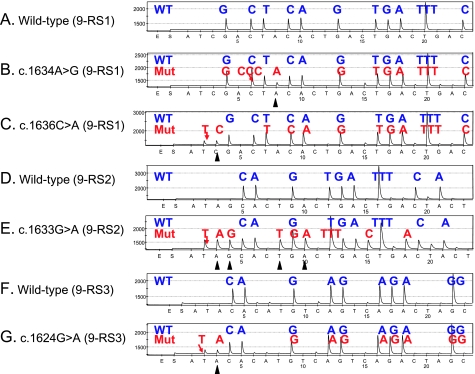
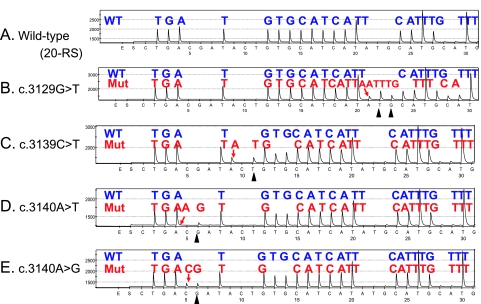
Somatic PIK3CA mutations are often present in colorectal cancer. Mutant PIK3CA activates AKT signaling, which up-regulates fatty acid synthase (FASN). Microsatellite instability (MSI) and CpG island methylator phenotype (CIMP) are important molecular classifiers in colorectal cancer. However, the relationship between PIK3CA mutation, MSI and CIMP remains uncertain. Using Pyrosequencing technology, we detected PIK3CA mutations in 91 (15%) of 590 population-based colorectal cancers. To determine CIMP status, we quantified DNA methylation in eight CIMP-specific promoters [CACNA1G, CDKN2A (p16), CRABP1, IGF2, MLH1, NEUROG1, RUNX3, and SOCS1] by real-time polymerase chain reaction (MethyLight). PIK3CA mutation was significantly associated with mucinous tumors [P = .0002; odds ratio (OR) = 2.44], KRAS mutation (P < .0001; OR = 2.68), CIMP-high (P = .03; OR = 2.08), phospho-ribosomal protein S6 expression (P = .002; OR = 2.19), and FASN expression (P = .02; OR = 1.85) and inversely with p53 expression (P = .01; OR = 0.54) and beta-catenin (CTNNB1) alteration (P = .004; OR = 0.43). In addition, PIK3CA G-to-A mutations were associated with MGMT loss (P = .001; OR = 3.24) but not with MGMT promoter methylation. In conclusion, PIK3CA mutation is significantly associated with other key molecular events in colorectal cancer, and MGMT loss likely contributes to the development of PIK3CA G>A mutation. In addition, Pyrosequencing is useful in detecting PIK3CA mutation in archival paraffin tumor tissue. PIK3CA mutational data further emphasize heterogeneity of colorectal cancer at the molecular level.
Figures


References
-
- Engelman JA, Luo J, Cantley LC. The evolution of phosphatidylinositol 3-kinases as regulators of growth and metabolism. Nat Rev Genet. 2006;7:606–619. - PubMed
-
- Samuels Y, Velculescu VE. Oncogenic mutations of PIK3CA in human cancers. Cell Cycle. 2004;3:1221–1224. - PubMed
-
- Yang YA, Han WF, Morin PJ, Chrest FJ, Pizer ES. Activation of fatty acid synthesis during neoplastic transformation: role of mitogen-activated protein kinase and phosphatidylinositol 3-kinase. Exp Cell Res. 2002;279:80–90. - PubMed
-
- Van de Sande T, Roskams T, Lerut E, Joniau S, Van Poppel H, Verhoeven G, Swinnen JV. High-level expression of fatty acid synthase in human prostate cancer tissues is linked to activation and nuclear localization of Akt/PKB. J Pathol. 2005;206:214–219. - PubMed
Publication types
MeSH terms
Substances
Grants and funding
LinkOut - more resources
Full Text Sources
Other Literature Sources
Medical
Research Materials
Miscellaneous