


Genetic and environmental influences on early speech, language and literacy development
- PMID: 18538338
- PMCID: PMC3851292
- DOI: 10.1016/j.jcomdis.2008.03.002
Genetic and environmental influences on early speech, language and literacy development
Abstract
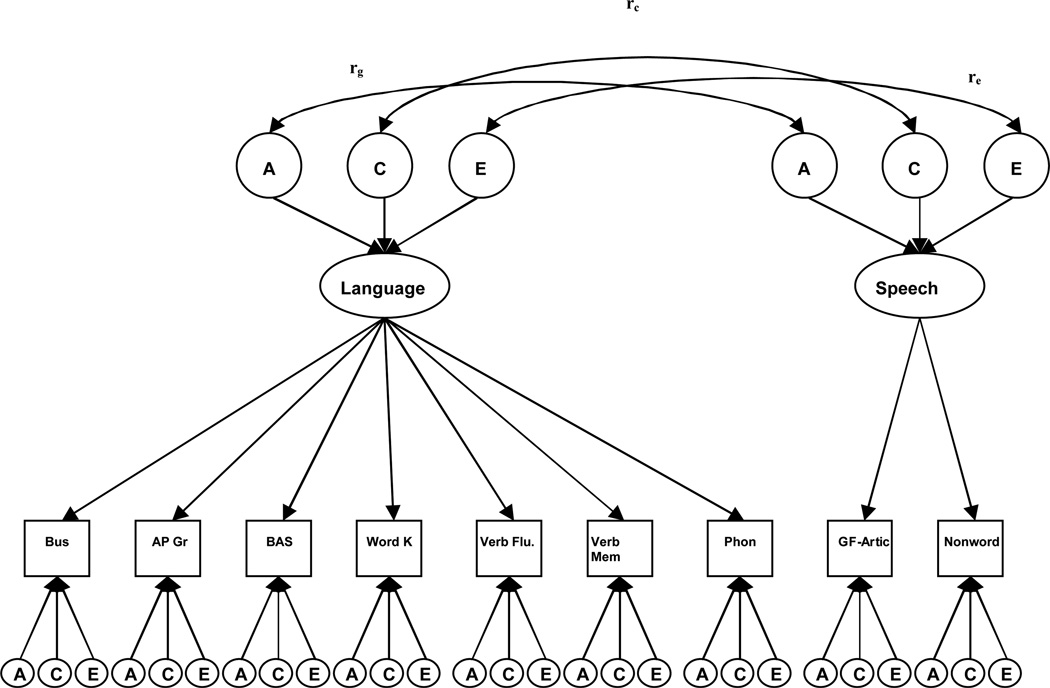
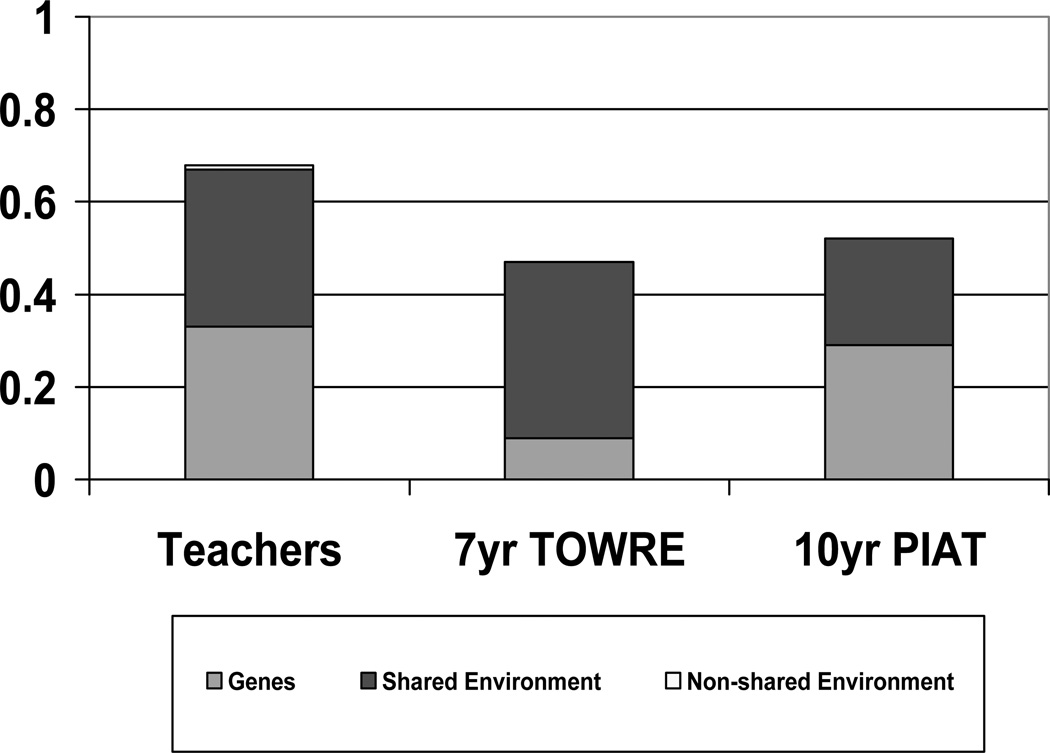
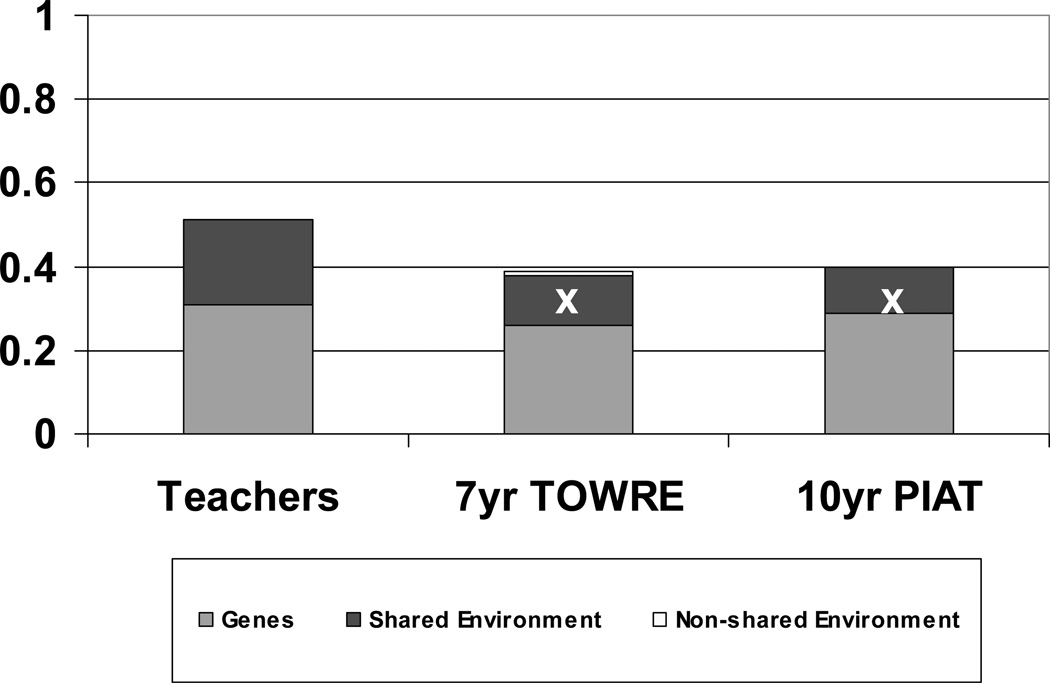
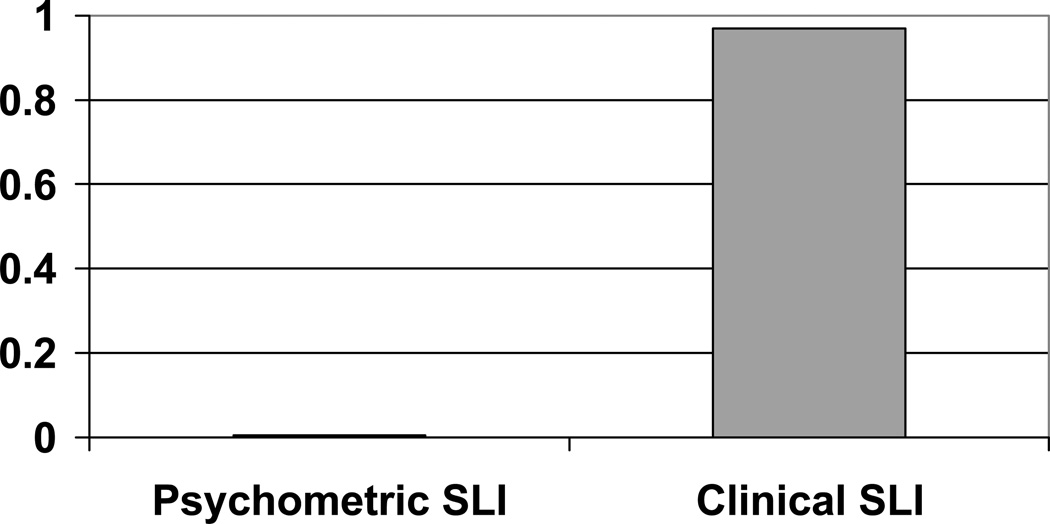
The genetic and environmental etiology of speech and broader language skills was examined in terms of their concurrent relationships in young children; their longitudinal association with reading; and the role they play in defining the 'heritable phenotype' for specific language impairment (SLI). The work was based on a large sample of 4 1/2-year-old twins, who were assessed at home on a broad range of speech and language measures as part of the Twins Early Development Study. We found that genetic factors strongly influence variation in young children's speech in typical development as well as in SLI, and that these genetic factors also account for much of the relationship between early speech and later reading. In contrast, shared environmental factors play a more dominant role for broader language skills, and in relating these skills to later reading; isolated impairments in language as opposed to speech appear to have largely environmental origins.
Learning outcomes: (1) Readers will be able to discuss some of the ways in which behavioural genetic methods can make a useful contribution to the field of communication disorders. (2) Readers will be able to compare the genetic and environmental contributions to general language versus speech skills in young children. (3) Readers will be able to describe the likely relationship between early speech and language and later reading development, in terms of shared genetic and environmental resources. (4) Readers will be able to discuss how different ascertainment methods for clinical samples may lead to very different understandings of the nature of a disorder such as specific language impairment.
Figures
References
-
- Bird J, Bishop DVM, Freeman NH. Phonological awareness and literacy development in children with expressive phonological impairments. Journal of Speech and Hearing Research. 1995;38:446–462. - PubMed
-
- Bishop DVM, North T, Donlan C. Genetic basis of specific language impairment: evidence from a twin study. Developmental Medical Child Neurology. 1995;37:56–71. - PubMed
-
- Bishop DVM, Adams CV, Norbury CF. Distinct genetic influences on grammar and phonological short-term memory deficits: evidence from 6-year-old twins. Genes, Brain & Behaviour. 2006;5:158–169. - PubMed
-
- Bishop DVM. Genetic influences on language impairments and literacy problems in children: Same or different? Journal of Child Psychology and Psychiatry. 2001;42:189–198. - PubMed
Publication types
MeSH terms
Grants and funding
LinkOut - more resources
Full Text Sources
