


Saccharide/protein conjugate vaccines for Bordetella species: preparation of saccharide, development of new conjugation procedures, and physico-chemical and immunological characterization of the conjugates
- PMID: 18539367
- PMCID: PMC2518646
- DOI: 10.1016/j.vaccine.2008.04.079
Saccharide/protein conjugate vaccines for Bordetella species: preparation of saccharide, development of new conjugation procedures, and physico-chemical and immunological characterization of the conjugates
Abstract
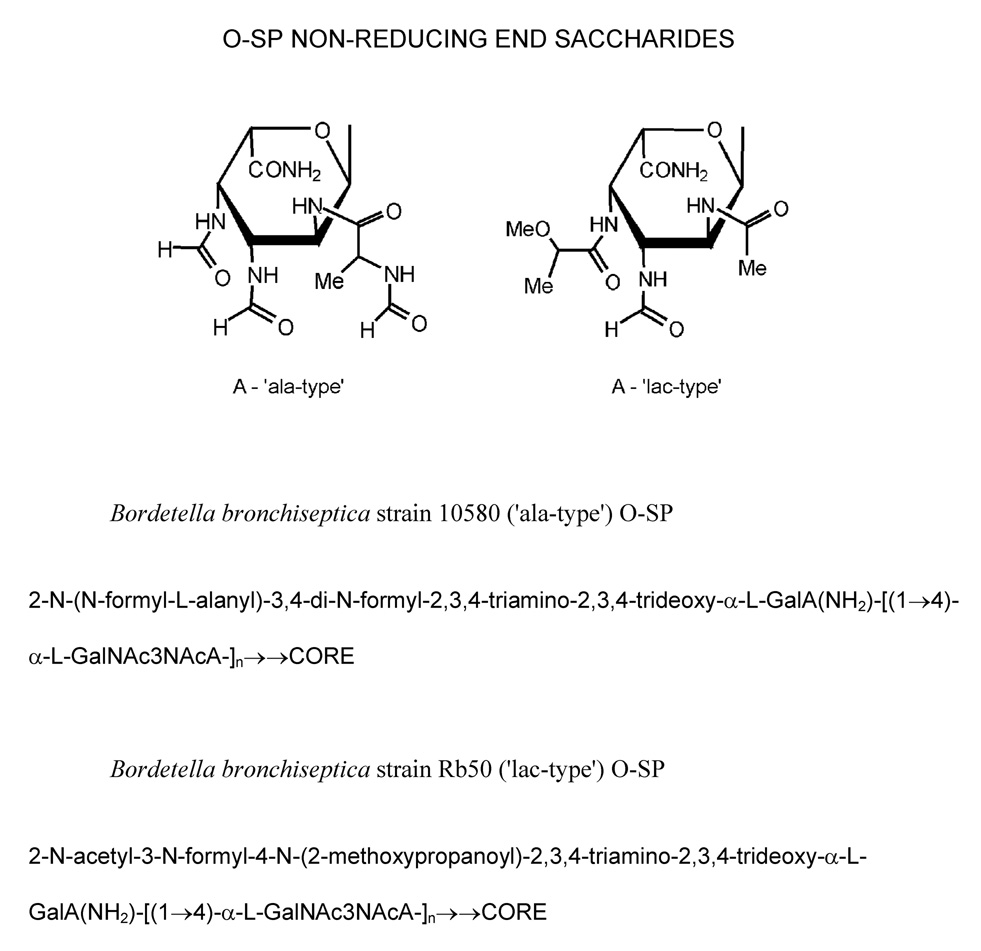
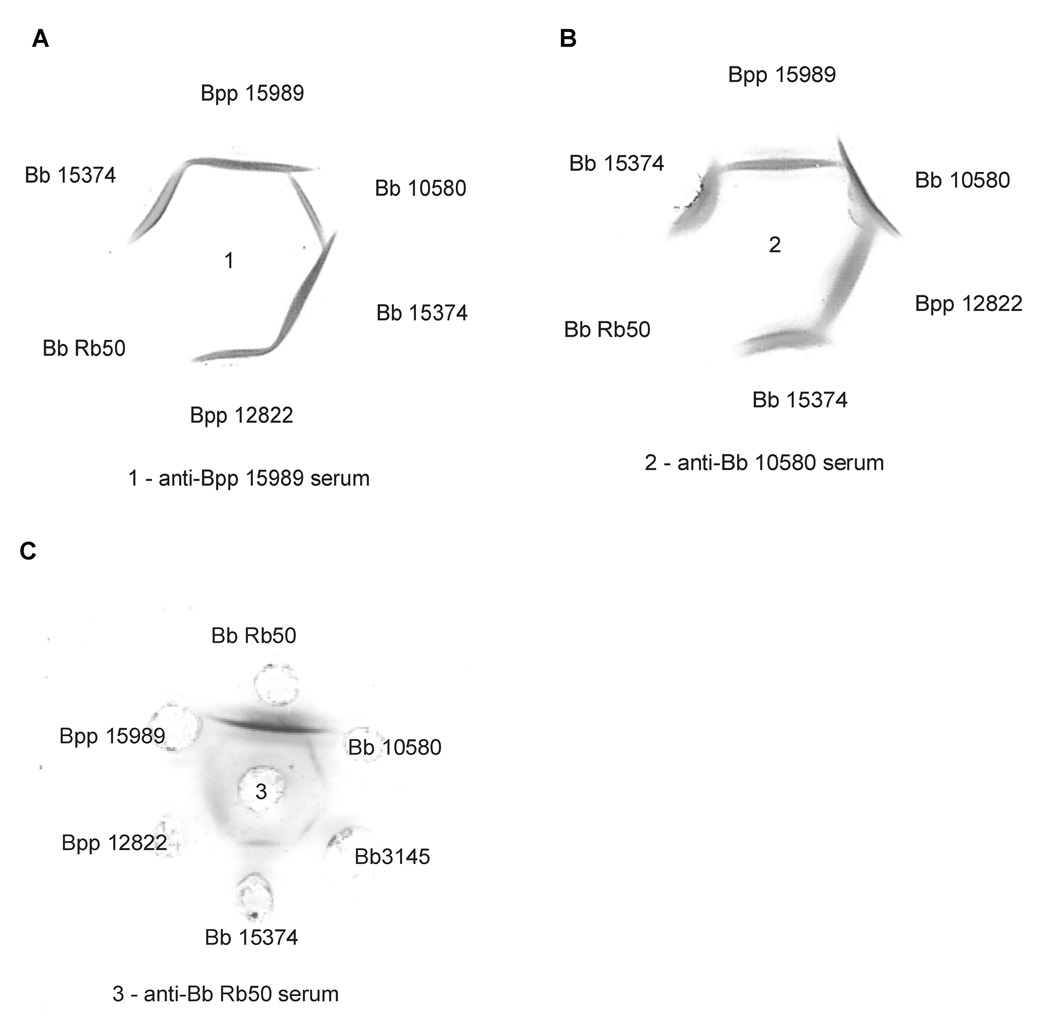
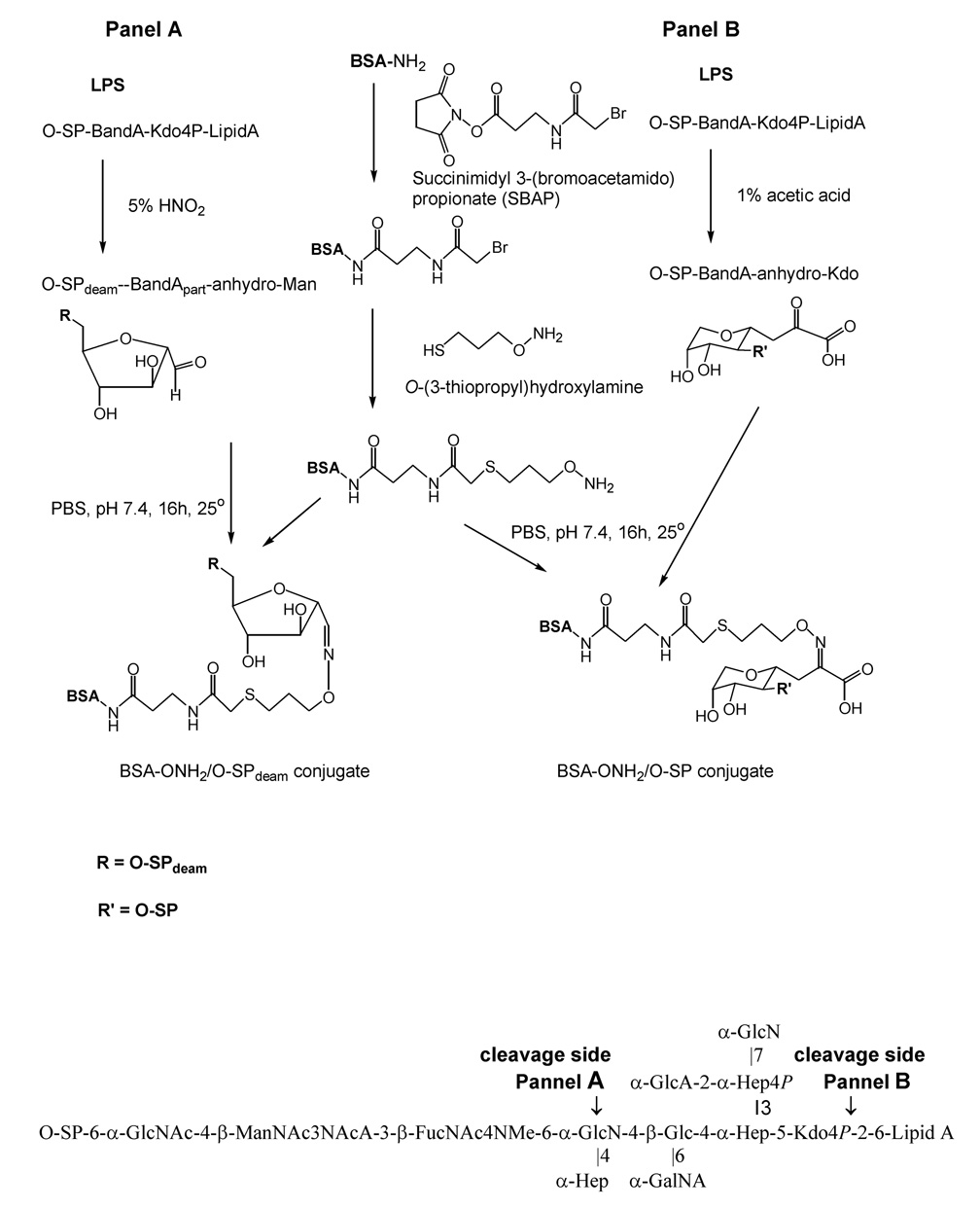
Bordetellae are Gram-negative bacilli causing respiratory tract infections of mammals and birds. Clinically important are B. pertussis, B. parapertussis and B. bronchiseptica. B. pertussis vaccines have been successful in preventing pertussis in infants and children. Veterinary vaccines against B. bronchiseptica are available, but their efficacy and mode of action are not established. There is no vaccine against B. parapertussis. Based on the concept that immunity to non-capsulated Gram-negative bacteria may be conferred by serum IgG anti-LPS we studied chemical, serological and immunological properties of the O-specific polysaccharides (O-SP) of B. bronchiseptica and B. parapertussis obtained by different degradation procedures. One type of the B. parapertussis and two types of B. bronchiseptica O-SP were recognized based on the structure of their non-reducing end saccharide; no cross-reaction between the two B. bronchiseptica types was observed. Competitive inhibition assays showed the immunodominance of the non-reducing end of these O-SP. Conjugates of B. bronchiseptica and B. parapertussis O-SP were prepared by two methods: using the anhydro-Kdo residue exposed by mild acid hydrolysis of the LPS or the 2,5-anhydromannose residue exposed by deamination of the core glucosamine of the LPS, for binding to an aminooxylated protein. Both coupling methods were carried out at a neutral pH, room temperature, and in a short time. All conjugates, injected as saline solutions at a fraction of an estimated human dose, induced antibodies in mice to the homologous O-SP. These methodologies can be applied to prepare O-SP-based vaccines against other Gram-negative bacteria.
Figures
References
-
- Taranger J, Trollfors B, Lagergard T, Zackrisson G. Parapertussis infection followed by pertussis infection. Lancet. 1994;344:1703. - PubMed
-
- McCandlish IA, Thompson H, Wright NG. Vaccination against Bordetella bronchiseptica infection in dogs using a heat-killed bacterial vaccine. Res Vet Sci. 1978;25:45–50. - PubMed
Publication types
MeSH terms
Substances
Grants and funding
LinkOut - more resources
Full Text Sources
Other Literature Sources
