


Prevalence and psychosocial correlates of symptoms suggestive of painful bladder syndrome: results from the Boston area community health survey
- PMID: 18554658
- PMCID: PMC2707748
- DOI: 10.1016/j.juro.2008.04.009
Prevalence and psychosocial correlates of symptoms suggestive of painful bladder syndrome: results from the Boston area community health survey
Abstract
Purpose: We estimated the prevalence of symptoms suggestive of painful bladder syndrome defined as pain increasing as the bladder fills and/or pain relieved by urination for at least 3 months, and its association with sociodemographics (gender, age, race/ethnicity and socioeconomic status), lifestyle (smoking, alcohol consumption, physical activity) and psychosocial variables (sexual, physical, emotional abuse experienced as a child or as an adult, worry, trouble paying for basics, depression).
Materials and methods: The data used come from the Boston Area Community Health Survey, an epidemiological study of 5,506 randomly selected adults 30 to 79 years old of 3 race/ethnic groups (black, Hispanic, white).
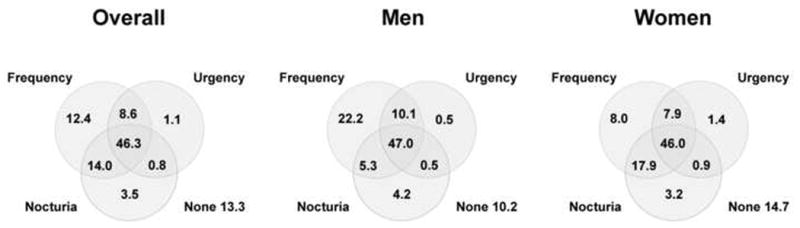
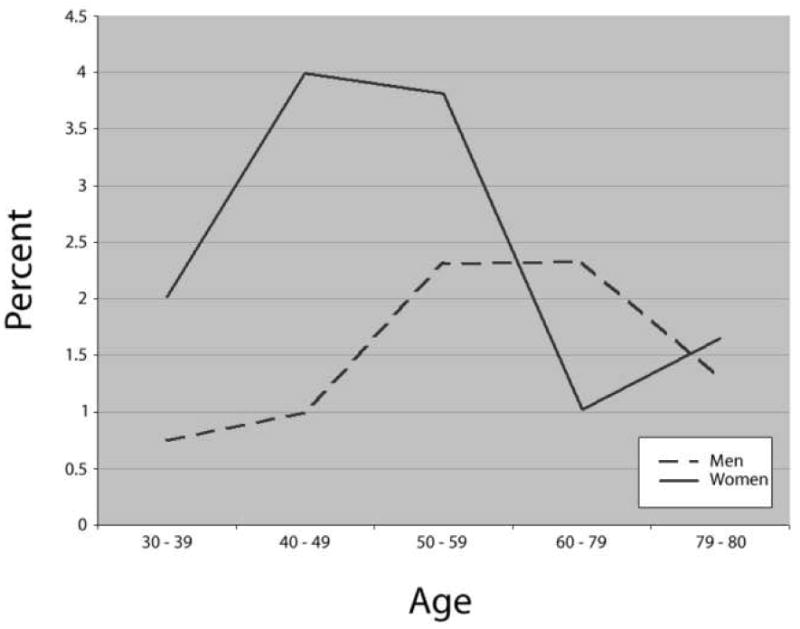
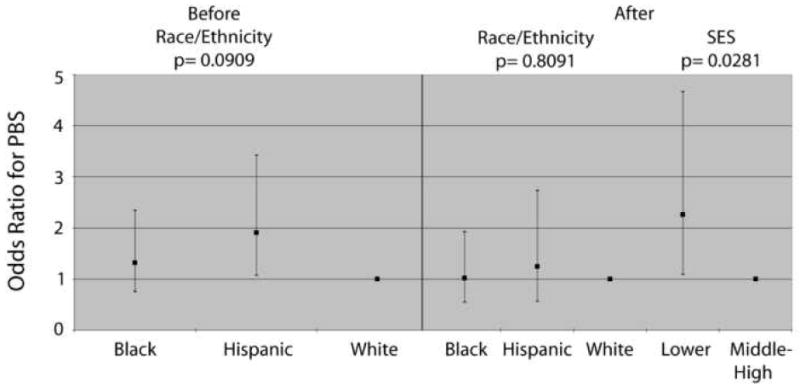
Results: The overall prevalence of symptoms suggestive of painful bladder syndrome was 2% (1.3% in men and 2.6% in women) with increased prevalence in middle-aged adults and those of lower socioeconomic status. Symptoms suggestive of painful bladder syndrome were more common in those who experienced abuse, in those who were worried about someone close to them and in those who were having trouble paying for basics. This pattern held even after adjusting for depression.
Conclusions: Painful bladder syndrome is associated with a number of lifestyle and psychosocial correlates. This suggests that the treatment of patients with painful bladder syndrome (physical symptoms) may benefit from a multifaceted approach of combining medical, psychological and cognitive treatment.
Figures
Comment in
-
The common in Boston.J Urol. 2008 Aug;180(2):439-40. doi: 10.1016/j.juro.2008.05.038. Epub 2008 Jun 11. J Urol. 2008. PMID: 18550095 No abstract available.
References
-
- Abrams P, Cardozo L, Fall M, Griffiths D, Rosier P, Ulmsten U, et al. The standardisation of terminology of lower urinary tract function: report from the Standardisation Sub-committee of the International Continence Society. Neurourol Urodyn. 2002;21:167. - PubMed
-
- Leppilahti M, Tammela TL, Huhtala H, Auvinen A. Prevalence of symptoms related to interstitial cystitis in women: a population based study in Finland. J Urol. 2002;168:139. - PubMed
-
- Parsons JK, Kurth K, Sant GR. Epidemiologic issues in interstitial cystitis. Urology. 2007;69:5. - PubMed
-
- Clemens JQ, Meenan RT, O'Keeffe Rosetti MC, Brown SO, Gao SY, Calhoun EA. Prevalence of interstitial cystitis symptoms in a managed care population. J Urol. 2005;174:576. - PubMed
Publication types
MeSH terms
Grants and funding
LinkOut - more resources
Full Text Sources
Medical
