


The mental health of children affected by armed conflict: protective processes and pathways to resilience
- PMID: 18569183
- PMCID: PMC2613765
- DOI: 10.1080/09540260802090363
The mental health of children affected by armed conflict: protective processes and pathways to resilience
Abstract
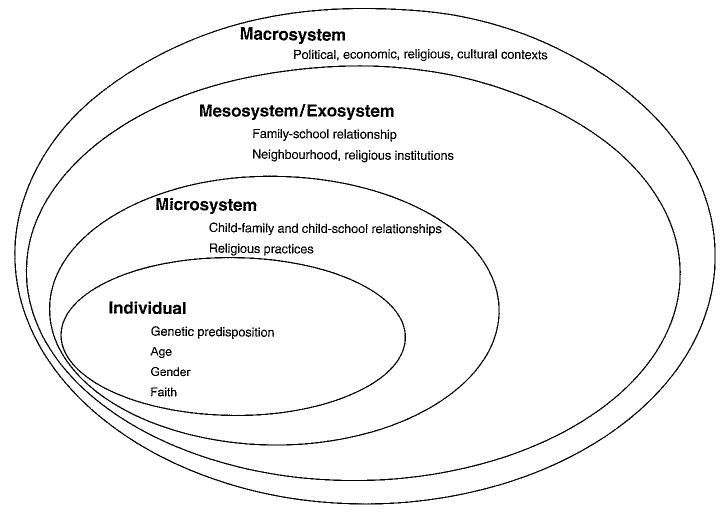
This paper examines the concept of resilience in the context of children affected by armed conflict. Resilience has been frequently viewed as a unique quality of certain 'invulnerable' children. In contrast, this paper argues that a number of protective processes contribute to resilient mental health outcomes in children when considered through the lens of the child's social ecology. While available research has made important contributions to understanding risk factors for negative mental health consequences of war-related violence and loss, the focus on trauma alone has resulted in inadequate attention to factors associated with resilient mental health outcomes. This paper presents key studies in the literature that address the interplay between risk and protective processes in the mental health of war-affected children from an ecological, developmental perspective. It suggests that further research on war-affected children should pay particular attention to coping and meaning making at the individual level; the role of attachment relationships, caregiver health, resources and connection in the family, and social support available in peer and extended social networks. Cultural and community influences such as attitudes towards mental health and healing as well as the meaning given to the experience of war itself are also important aspects of the larger social ecology.
Conflict of interest statement
Figures
References
-
- Aguilar P, Retamal G. Rapid educational response in complex emergencies: A discussion document. Geneva, Switzerland: International Bureau of Education; 1998.
-
- Ainsworth MDS, Blehar MC, Waters E, Wall S. Patterns of attachment: A psychological study of the strange situation. Hillsdale, NJ: Lawrence Erlbaum Associates; 1978.
-
- Annan J, Blattman C. The psychological resilience of youth in northern Uganda: Survey of War Affected Youth, Research Brief 2. 2006. [February 6, 2008]. Available at www.sway-uganda.org/SWAY.RB2.pdf.
-
- Apfel RJ, Simon B. Psychosocial interventions for children of war: The value of a model of resiliency. Medicine and Global Survival. 1996;3:A2.
-
- Barber BK. Political violence, social integration, and youth functioning: Palestinian youth from the Intifada. Journal of Community Psychology. 2001;29(3):259–280.
Publication types
MeSH terms
Grants and funding
LinkOut - more resources
Full Text Sources
Medical
