


Vascular actions of estrogens: functional implications
- PMID: 18579753
- PMCID: PMC2637768
- DOI: 10.1124/pr.107.08002
Vascular actions of estrogens: functional implications
Abstract
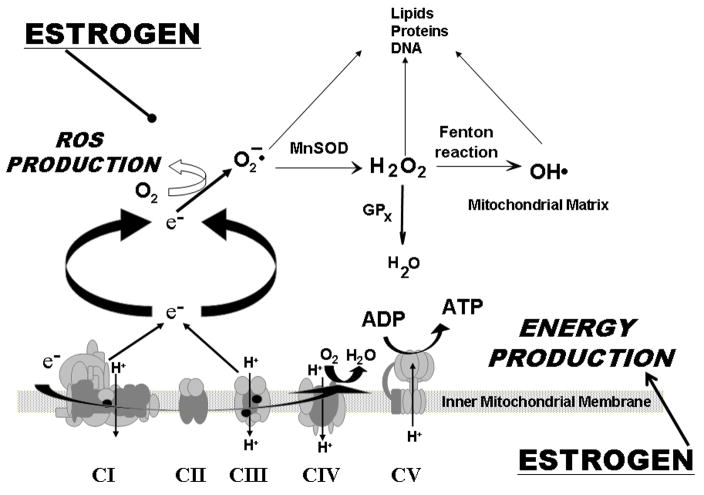
The impact of estrogen exposure in preventing or treating cardiovascular disease is controversial. But it is clear that estrogen has important effects on vascular physiology and pathophysiology, with potential therapeutic implications. Therefore, the goal of this review is to summarize, using an integrated approach, current knowledge of the vascular effects of estrogen, both in humans and in experimental animals. Aspects of estrogen synthesis and receptors, as well as general mechanisms of estrogenic action are reviewed with an emphasis on issues particularly relevant to the vascular system. Recent understanding of the impact of estrogen on mitochondrial function suggests that the longer lifespan of women compared with men may depend in part on the ability of estrogen to decrease production of reactive oxygen species in mitochondria. Mechanisms by which estrogen increases endothelial vasodilator function, promotes angiogenesis, and modulates autonomic function are summarized. Key aspects of the relevant pathophysiology of inflammation, atherosclerosis, stroke, migraine, and thrombosis are reviewed concerning current knowledge of estrogenic effects. A number of emerging concepts are addressed throughout. These include the importance of estrogenic formulation and route of administration and the impact of genetic polymorphisms, either in estrogen receptors or in enzymes responsible for estrogen metabolism, on responsiveness to hormone treatment. The importance of local metabolism of estrogenic precursors and the impact of timing for initiation of treatment and its duration are also considered. Although consensus opinions are emphasized, controversial views are presented to stimulate future research.
Figures
References
-
- Abedin M, Tintut Y, Demer LL. Vascular calcification: mechanisms and clinical ramifications. Arterioscler Thromb Vasc Biol. 2004;24:1161–1170. - PubMed
-
- Adams BD, Furneaux H, White BA. The micro-ribonucleic acid (miRNA) miR-206 targets the human estrogen receptor-alpha (ERalpha) and represses ERalpha messenger RNA and protein expression in breast cancer cell lines. Mol Endocrinol. 2007;21:1132–1147. - PubMed
-
- Alessio AM, Hoehr NF, Siqueira LH, Ozelo MC, de Padua Mansur A, Annichino-Bizzacchi JM. Association between estrogen receptor alpha and beta gene polymorphisms and deep vein thrombosis. Thromb Res. 2007;120:639–645. - PubMed
-
- Alkayed NJ, Murphy SJ, Traystman RJ, Hurn PD, Miller VM. Neuroprotective effects of female gonadal steroids in reproductively senescent female rats. Stroke; a journal of cerebral circulation. 2000;31:161–168. - PubMed
Publication types
MeSH terms
Substances
Grants and funding
LinkOut - more resources
Full Text Sources
