


Complete genome sequence of the extremely acidophilic methanotroph isolate V4, Methylacidiphilum infernorum, a representative of the bacterial phylum Verrucomicrobia
- PMID: 18593465
- PMCID: PMC2474590
- DOI: 10.1186/1745-6150-3-26
Complete genome sequence of the extremely acidophilic methanotroph isolate V4, Methylacidiphilum infernorum, a representative of the bacterial phylum Verrucomicrobia
Abstract
Background: The phylum Verrucomicrobia is a widespread but poorly characterized bacterial clade. Although cultivation-independent approaches detect representatives of this phylum in a wide range of environments, including soils, seawater, hot springs and human gastrointestinal tract, only few have been isolated in pure culture. We have recently reported cultivation and initial characterization of an extremely acidophilic methanotrophic member of the Verrucomicrobia, strain V4, isolated from the Hell's Gate geothermal area in New Zealand. Similar organisms were independently isolated from geothermal systems in Italy and Russia.
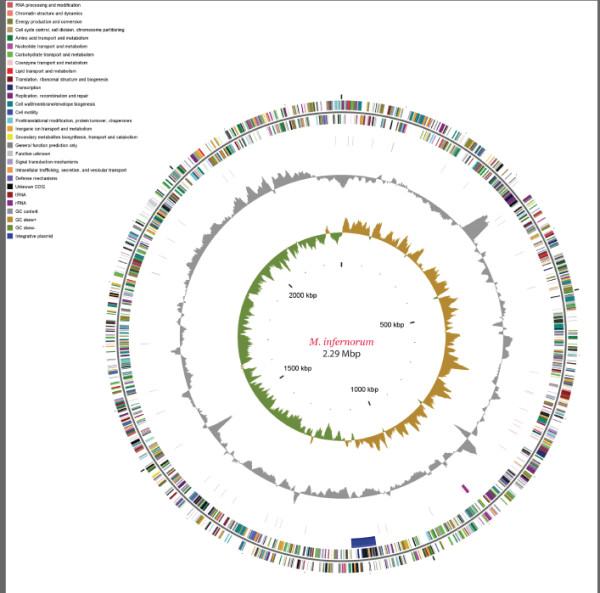
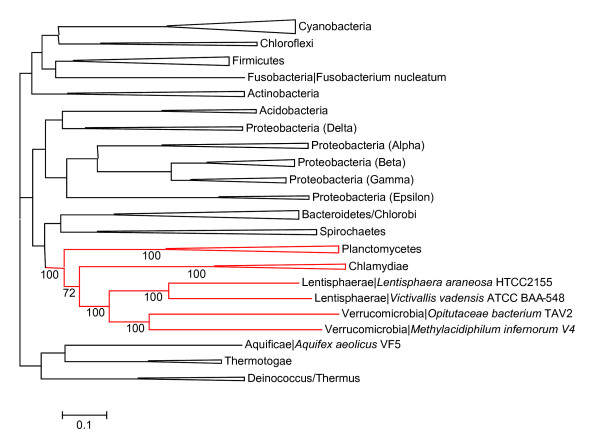
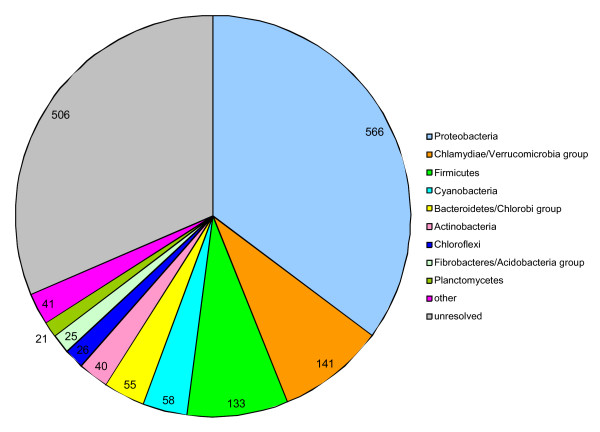
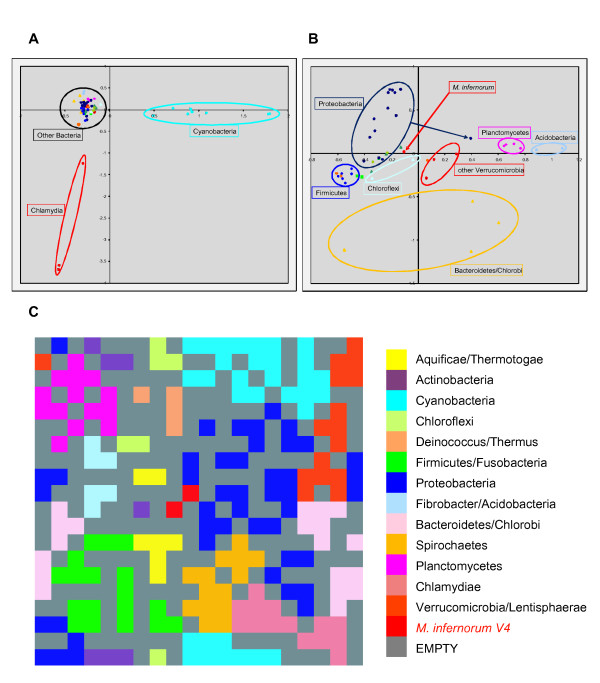
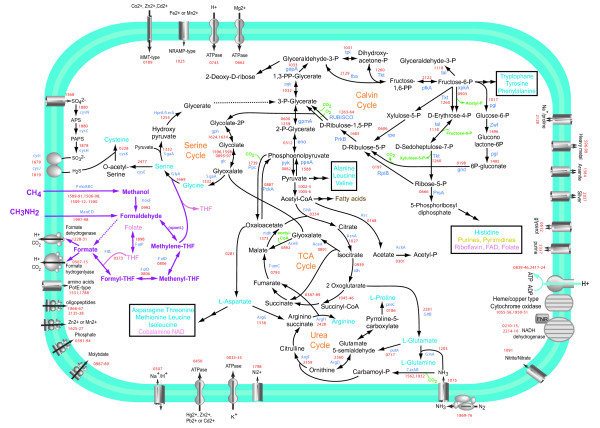
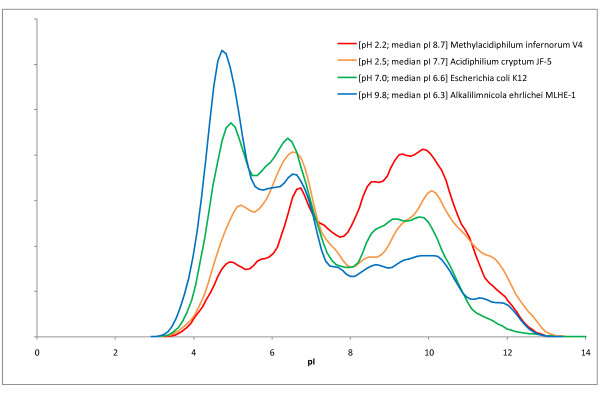
Results: We report the complete genome sequence of strain V4, the first one from a representative of the Verrucomicrobia. Isolate V4, initially named "Methylokorus infernorum" (and recently renamed Methylacidiphilum infernorum) is an autotrophic bacterium with a streamlined genome of ~2.3 Mbp that encodes simple signal transduction pathways and has a limited potential for regulation of gene expression. Central metabolism of M. infernorum was reconstructed almost completely and revealed highly interconnected pathways of autotrophic central metabolism and modifications of C1-utilization pathways compared to other known methylotrophs. The M. infernorum genome does not encode tubulin, which was previously discovered in bacteria of the genus Prosthecobacter, or close homologs of any other signature eukaryotic proteins. Phylogenetic analysis of ribosomal proteins and RNA polymerase subunits unequivocally supports grouping Planctomycetes, Verrucomicrobia and Chlamydiae into a single clade, the PVC superphylum, despite dramatically different gene content in members of these three groups. Comparative-genomic analysis suggests that evolution of the M. infernorum lineage involved extensive horizontal gene exchange with a variety of bacteria. The genome of M. infernorum shows apparent adaptations for existence under extremely acidic conditions including a major upward shift in the isoelectric points of proteins.
Conclusion: The results of genome analysis of M. infernorum support the monophyly of the PVC superphylum. M. infernorum possesses a streamlined genome but seems to have acquired numerous genes including those for enzymes of methylotrophic pathways via horizontal gene transfer, in particular, from Proteobacteria.
Reviewers: This article was reviewed by John A. Fuerst, Ludmila Chistoserdova, and Radhey S. Gupta.
Figures
References
-
- Wagner M, Horn M. The Planctomycetes, Verrucomicrobia, Chlamydiae and sister phyla comprise a superphylum with biotechnological and medical relevance. Curr Opin Biotechnol. 2006;17:241–249. - PubMed
-
- Strous M, Pelletier E, Mangenot S, Rattei T, Lehner A, Taylor MW, Horn M, Daims H, Bartol-Mavel D, Wincker P, Barbe V, Fonknechten N, Vallenet D, Segurens B, Schenowitz-Truong C, Medigue C, Collingro A, Snel B, Dutilh BE, Op den Camp HJ, van der Drift C, Cirpus I, van de Pas-Schoonen KT, Harhangi HR, van Niftrik L, Schmid M, Keltjens J, van de Vossenberg J, Kartal B, Meier H, Frishman D, Huynen MA, Mewes HW, Weissenbach J, Jetten MS, Wagner M, Le Paslier D. Deciphering the evolution and metabolism of an anammox bacterium from a community genome. Nature. 2006;440:790–794. - PubMed
-
- Dunfield PF, Yuryev A, Senin P, Smirnova AV, Stott MB, Hou S, Ly B, Saw JH, Zhou Z, Ren Y, Wang J, Mountain BW, Crowe MA, Weatherby TM, Bodelier PL, Liesack W, Feng L, Wang L, Alam M. Methane oxidation by an extremely acidophilic bacterium of the phylum Verrucomicrobia. Nature. 2007;450:879–882. - PubMed
-
- Pol A, Heijmans K, Harhangi HR, Tedesco D, Jetten MS, Op den Camp HJ. Methanotrophy below pH 1 by a new Verrucomicrobia species. Nature. 2007;450:874–878. - PubMed
Publication types
MeSH terms
Substances
Grants and funding
LinkOut - more resources
Full Text Sources
Other Literature Sources
Molecular Biology Databases
Miscellaneous
