


EphrinB1 controls cell-cell junctions through the Par polarity complex
- PMID: 18604196
- PMCID: PMC2614381
- DOI: 10.1038/ncb1758
EphrinB1 controls cell-cell junctions through the Par polarity complex
Abstract
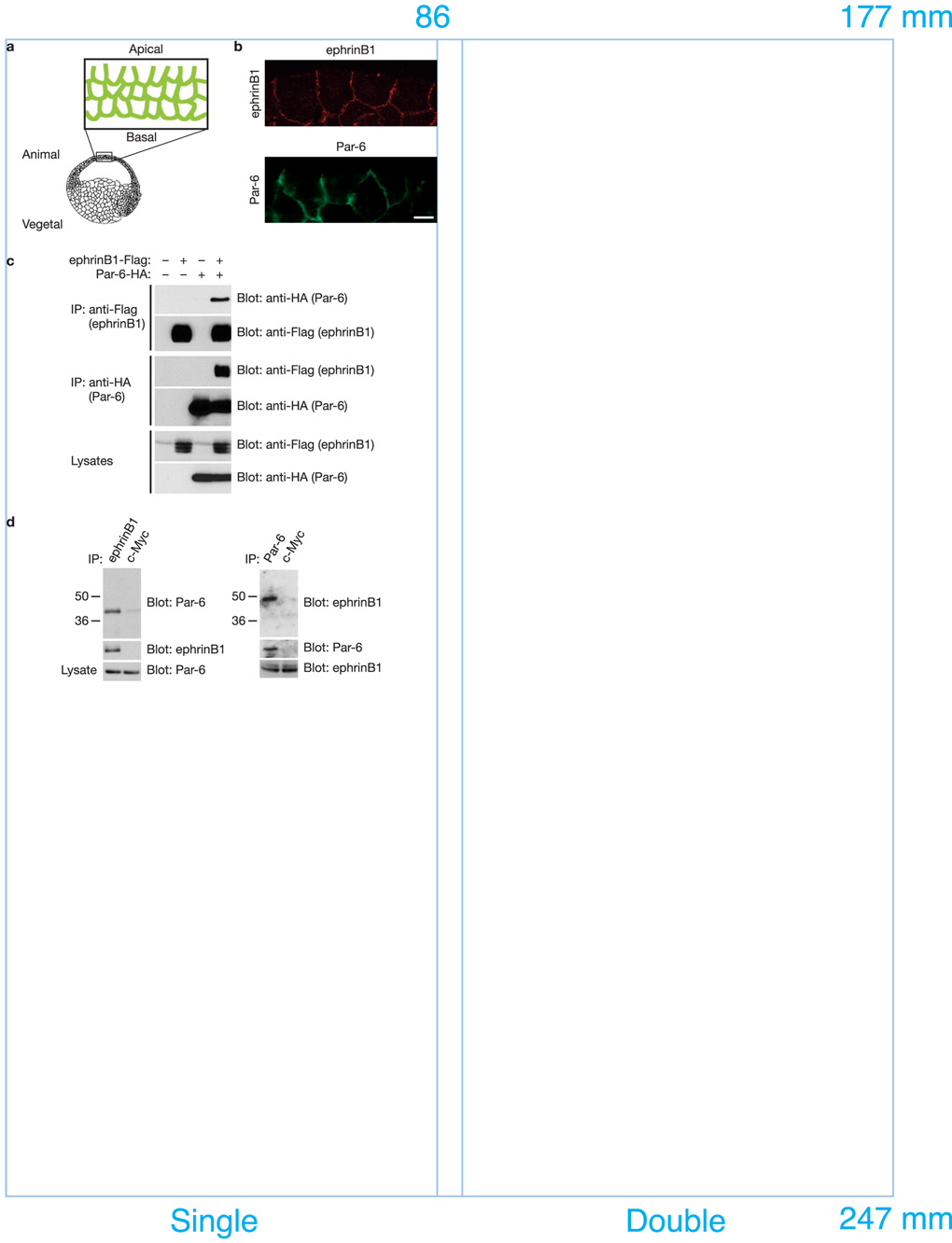
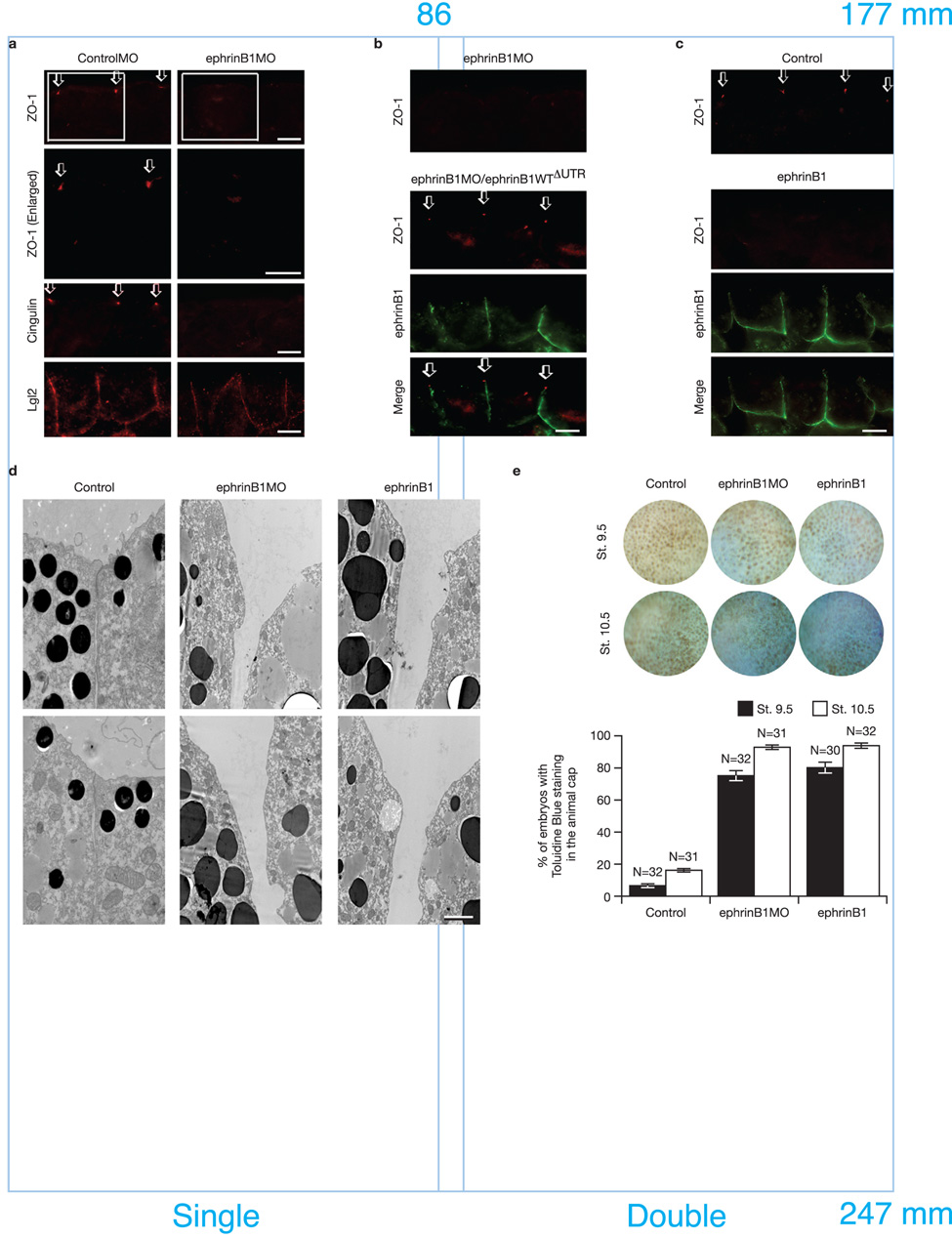
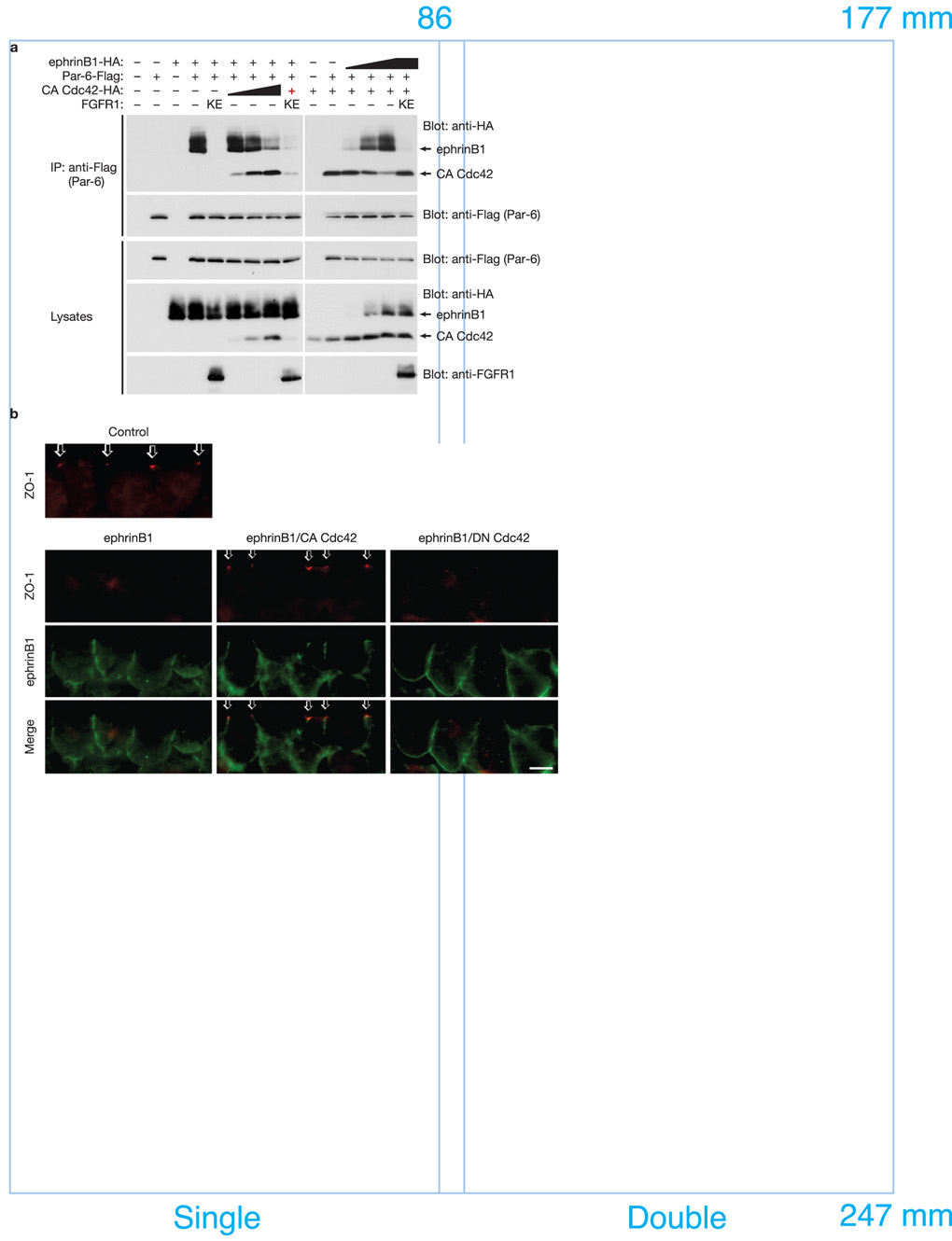
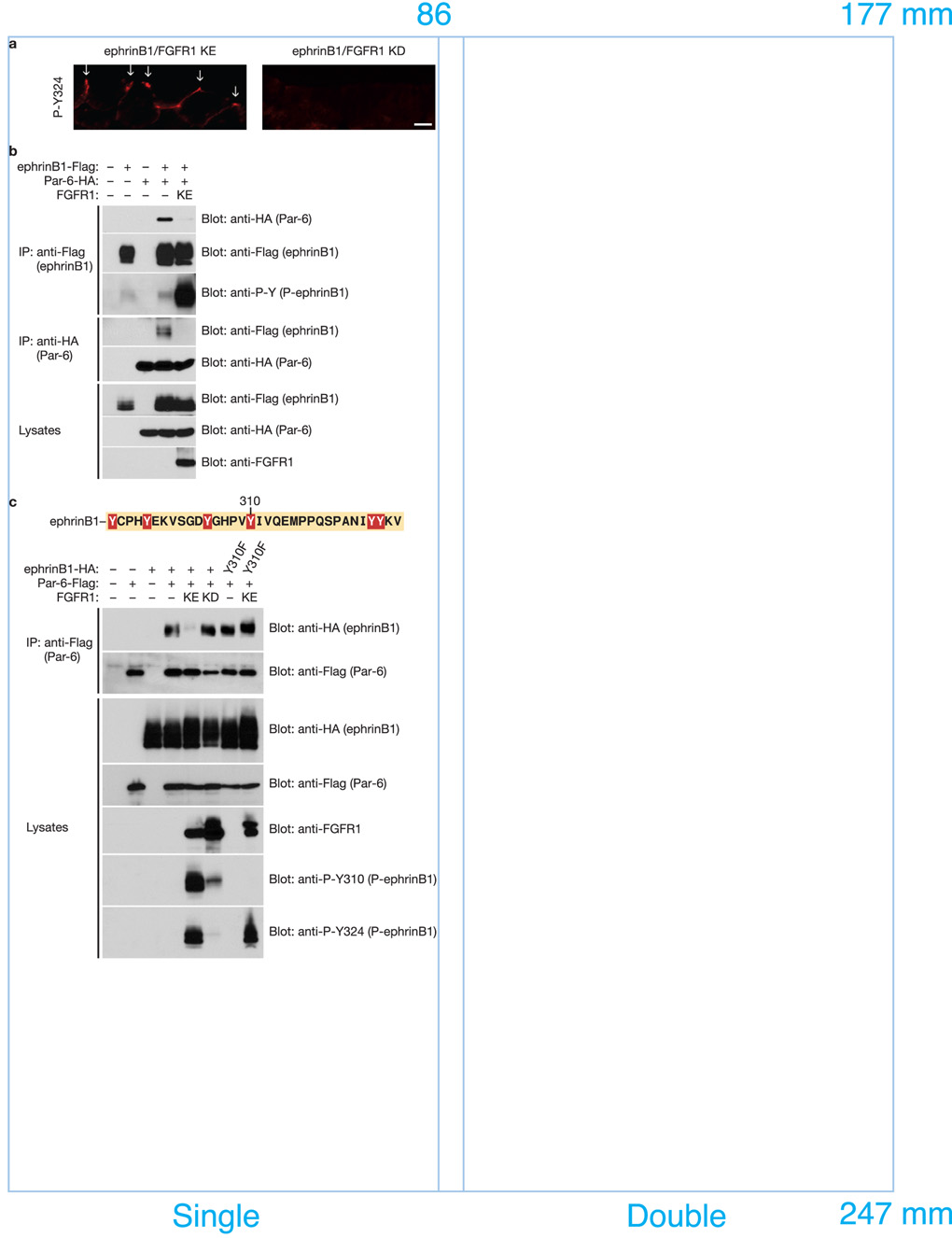
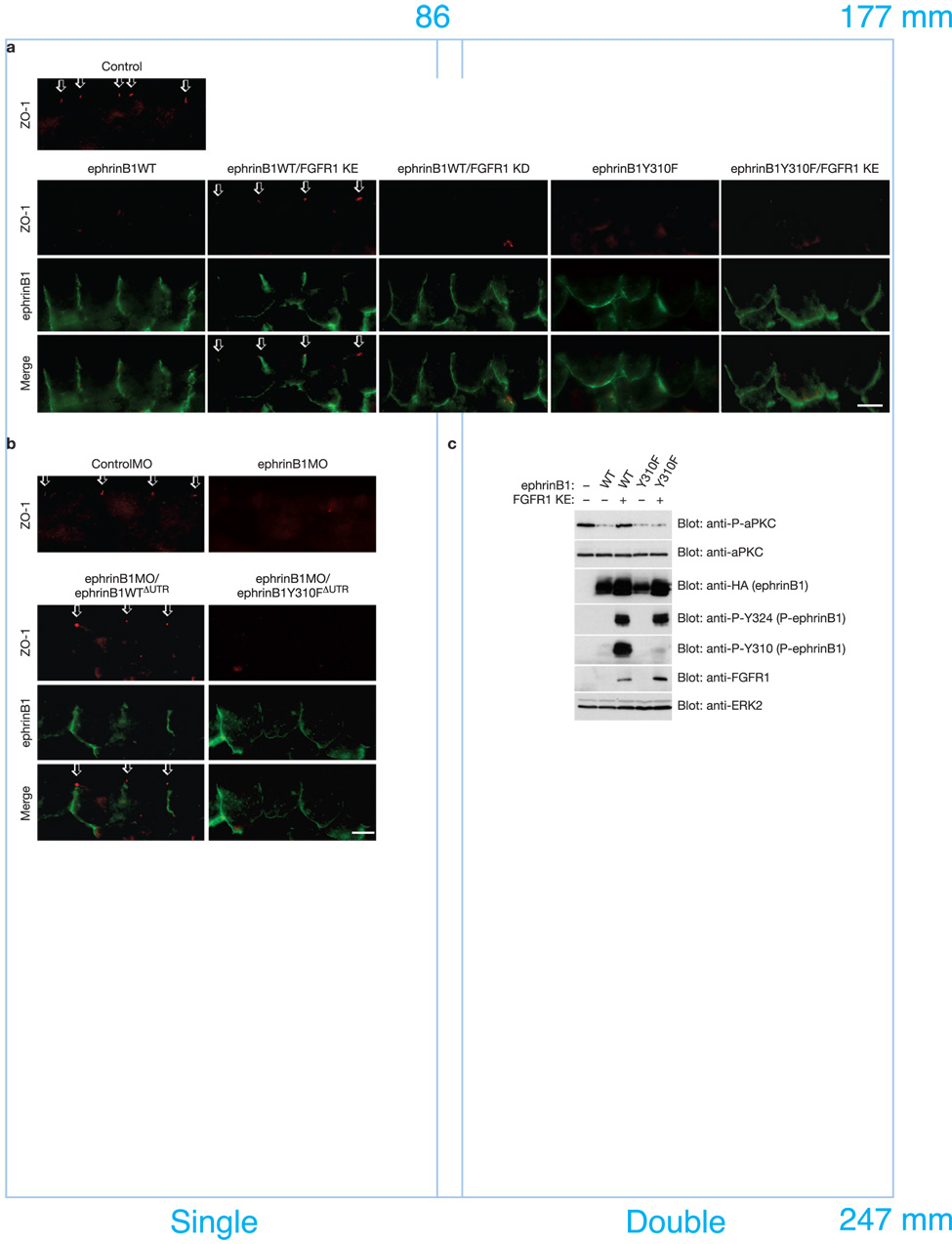
A body of evidence is emerging that shows a requirement for ephrin ligands in the proper migration of cells, and the formation of cell and tissue boundaries. These processes are dependent on the cell-cell adhesion system, which plays a crucial role in normal morphogenetic processes during development, as well as in invasion and metastasis. Although ephrinB ligands are bi-directional signalling molecules, the precise mechanism by which ephrinB1 signals through its intracellular domain to regulate cell-cell adhesion in epithelial cells remains unclear. Here, we present evidence that ephrinB1 associates with the Par polarity complex protein Par-6 (a scaffold protein required for establishing tight junctions) and can compete with the small GTPase Cdc42 for association with Par-6. This competition causes inactivation of the Par complex, resulting in the loss of tight junctions. Moreover, the interaction between ephrinB1 and Par-6 is disrupted by tyrosine phosphorylation of the intracellular domain of ephrinB1. Thus, we have identified a mechanism by which ephrinB1 signalling regulates cell-cell junctions in epithelial cells, and this may influence how we devise therapeutic interventions regarding these molecules in metastatic disease.
Figures
References
-
- Cortina C, et al. EphB-ephrin-B interactions suppress colorectal cancer progression by compartmentalizing tumor cells. Nat Genet. 2007;39:1376–1383. - PubMed
-
- Heroult M, Schaffner F, Augustin HG. Eph receptor and ephrin ligand-mediated interactions during angiogenesis and tumor progression. Exp Cell Res. 2006;312:642–650. - PubMed
-
- Zhang J, Hughes S. Role of the ephrin and Eph receptor tyrosine kinase families in angiogenesis and development of the cardiovascular system. J Pathol. 2006;208:453–461. - PubMed
-
- Wimmer-Kleikamp SH, Lackmann M. Eph-modulated cell morphology, adhesion and motility in carcinogenesis. IUBMB Life. 2005;57:421–431. - PubMed
Publication types
MeSH terms
Substances
Grants and funding
LinkOut - more resources
Full Text Sources
Other Literature Sources
Miscellaneous
