


What do we know about the role of gliotoxin in the pathobiology of Aspergillus fumigatus?
- PMID: 18608908
- PMCID: PMC2729542
- DOI: 10.1080/13693780802056012
What do we know about the role of gliotoxin in the pathobiology of Aspergillus fumigatus?
Abstract
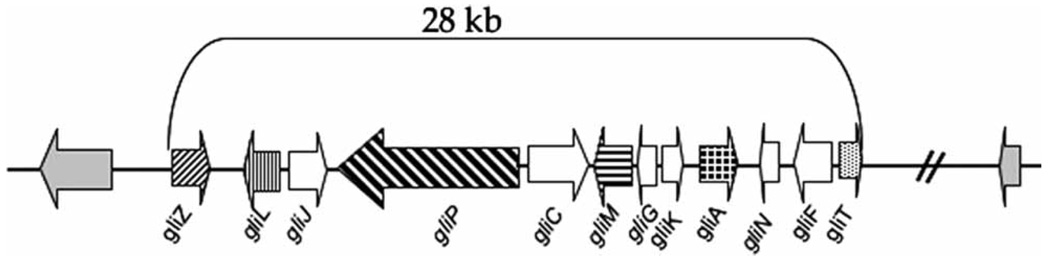
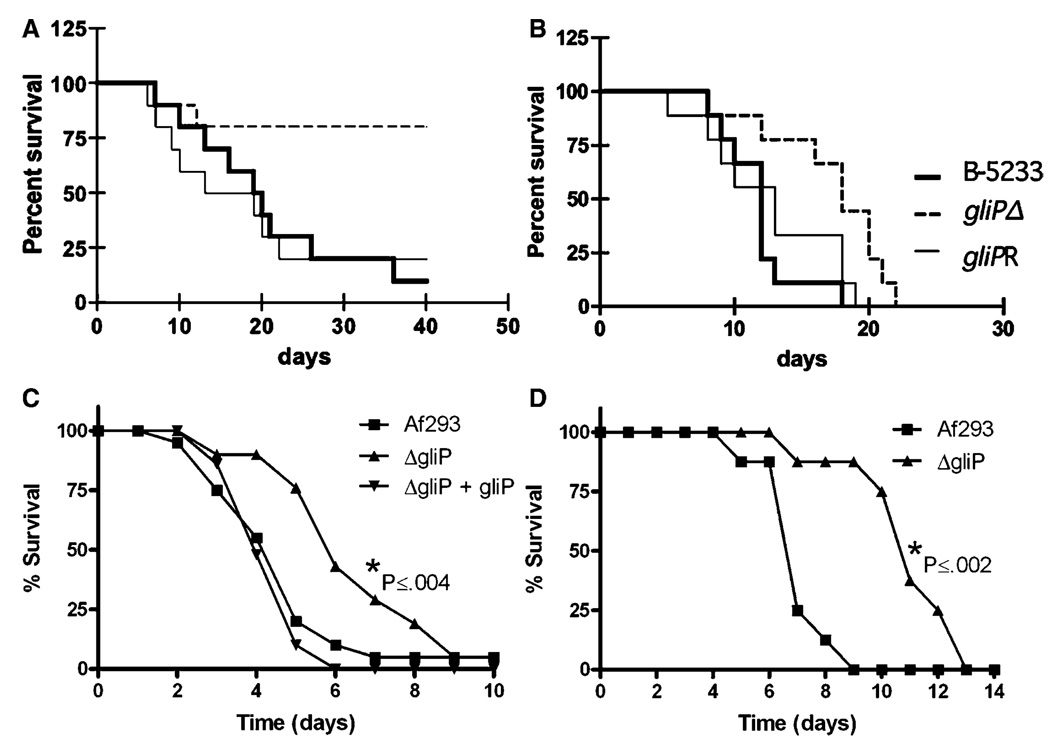
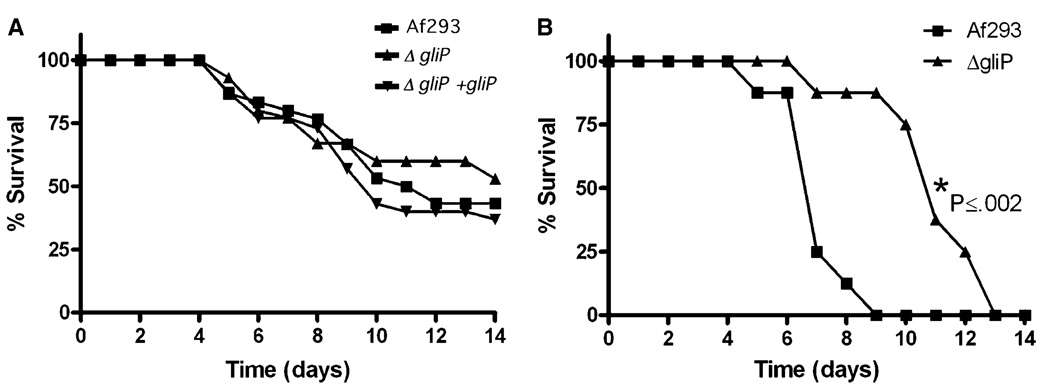
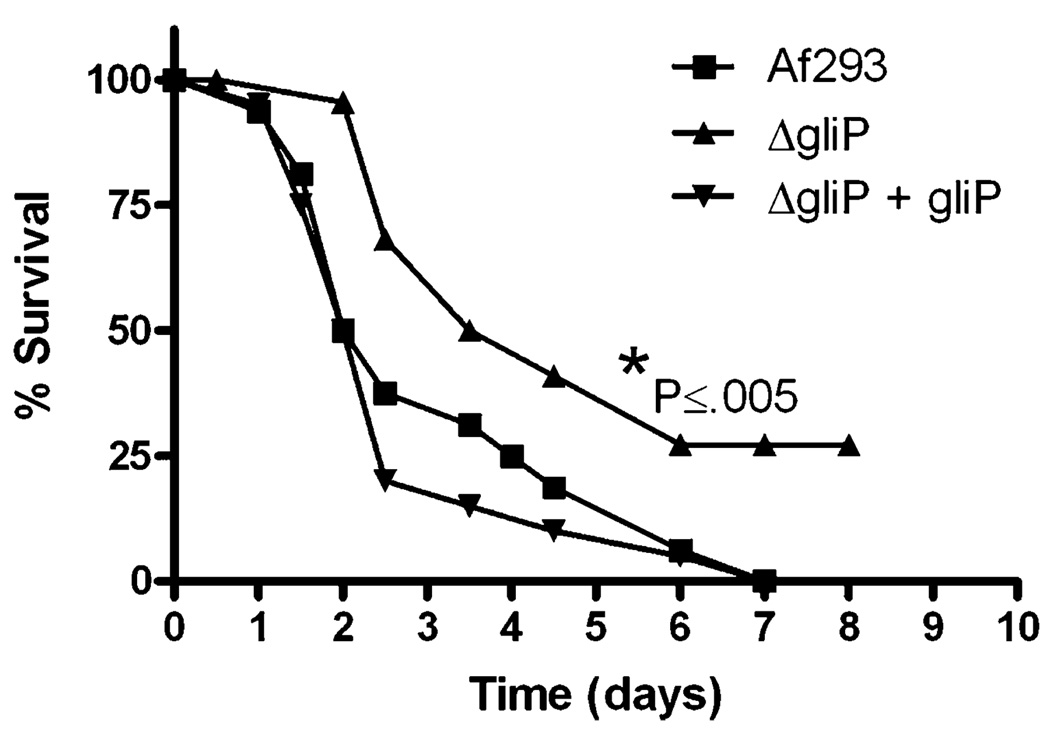
Gliotoxin is a member of the epipolythiodioxopiperazine class of toxins and is both the major and the most potent toxin produced by Aspergillus fumigatus. Since the discovery of the putative gliotoxin biosynthetic 12-gene cluster in the genome of A. fumigatus, five different laboratories have attempted to determine the role of this toxin in the virulence of A. fumigatus. The genes in the cluster that have been disrupted to study the pathobiological importance of gliotoxin include gliZ that encodes a transcription factor and gliP that encodes a nonribosomal peptide synthase. Two of the five laboratories have reported gliotoxin to be an important virulence determinant of A. fumigatus, while the other three laboratories have shown it to be unimportant. Comparisons of the data generated among the five laboratories revealed that the immunosuppressive regimen used for mice was the key factor that contributed to the observed disparity. Regardless of either the mouse strains used or the route of infection, immunosuppression with a combination of cyclophosphamide and corticosteroids (neutropenic mice) showed gliotoxin to be unimportant. The mice immunosuppressed with corticosteroids alone, however, revealed that gliotoxin is an important virulence determinant of A. fumigatus. These studies indicate that the neutropenic mice model is inadequate to reveal the pathobiological importance of fungal secondary metabolites in invasive pulmonary aspergillosis.
Conflict of interest statement
Figures
References
-
- Gardiner DM, Howlett BJ. Bioinformatic and expression analysis of the putative gliotoxin biosynthetic gene cluster of Aspergillus fumigatus. FEMS Microbiol Lett. 2005;248:241–248. - PubMed
-
- Spikes S, Xu R, Nguyen CK, et al. Gliotoxin production in Aspergillus fumigatus contributes to host-specific differences in virulence. J Infect Dis. 2008;197:479–486. - PubMed
-
- Kupfahl C, Heinekamp T, Geginat G, et al. Deletion of the gliP gene of Aspergillus fumigatus results in loss of gliotoxin production but has no effect on virulence of the fungus in a low-dose mouse infection model. Mol Microbiol. 2006;62:292–302. - PubMed
Publication types
MeSH terms
Substances
Grants and funding
LinkOut - more resources
Full Text Sources
