


The practice of traditional bonesetting: training algorithm
- PMID: 18612711
- PMCID: PMC2584317
- DOI: 10.1007/s11999-008-0371-8
The practice of traditional bonesetting: training algorithm
Abstract
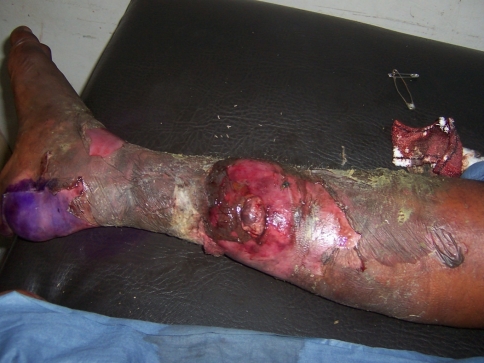
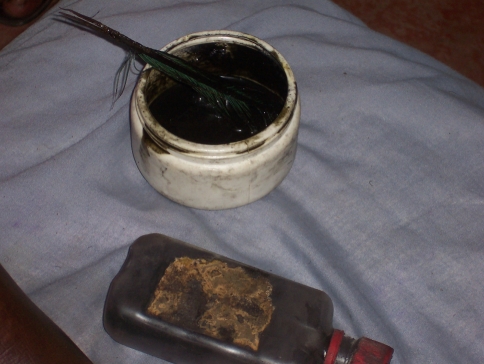
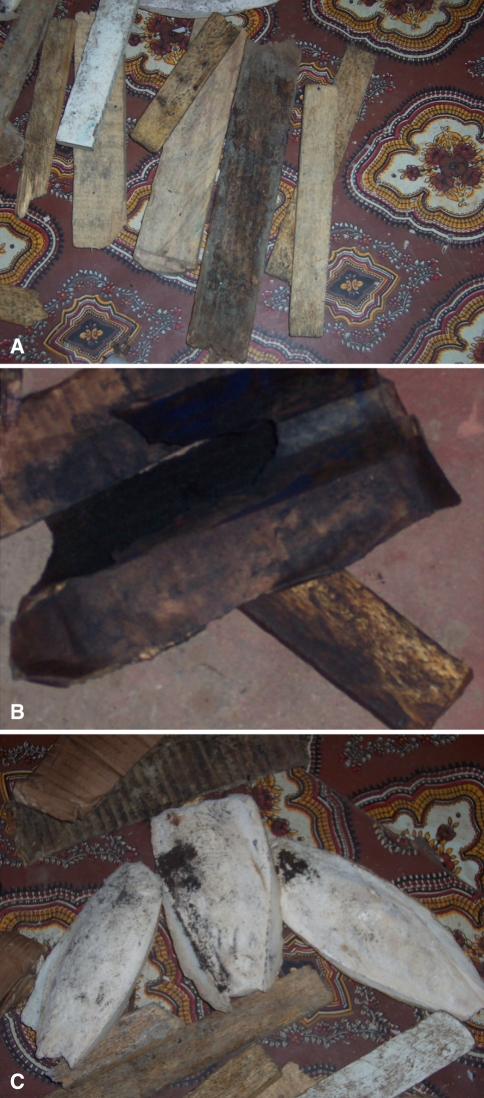
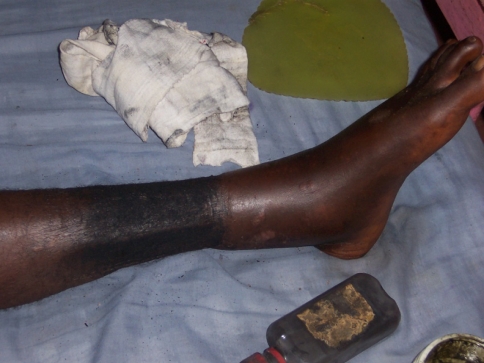
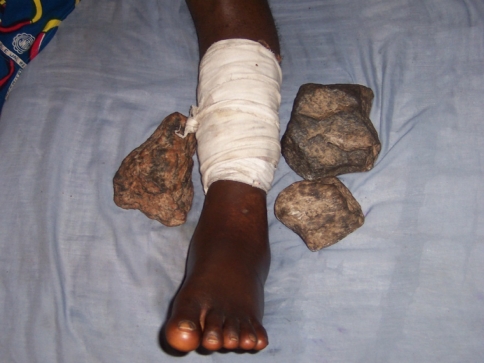
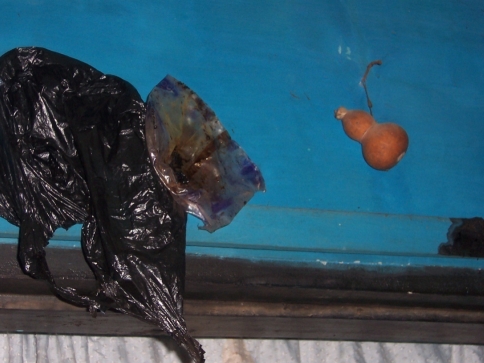
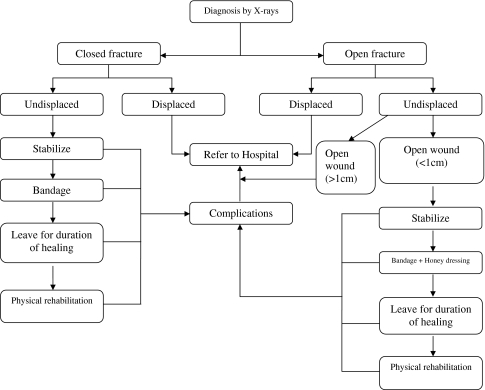
Traditional bonesetters (TBS) have been in Nigeria for centuries. Up to 85% of patients with fractures present first to the traditional bonesetters before coming to the hospital and therefore this mode of care delivery cannot be overlooked in Nigeria. We attempted to document the current practice of TBS in Ibadan and their methods of fracture treatment with a view to training and improving the services offered by them. We carried out a literature search to review all previous studies on traditional bonesetters' practice and visited a few of them to document their current practice. The only change in the management of fractures by the TBS over the past 28 years was the use of spiritual methods of healing to treat open comminuted fractures; a technique for which no scientific basis was readily discernible. There is a need to educate and train the TBS in effective management of both open and closed fractures. Such training should be provided by orthodox orthopedic surgeons with a view to minimizing mismanagement of fractures. To this end, we propose a training algorithm.
Figures

References
-
- Adeyemo DO. Local government and health care delivery in Nigeria: a case study. J Hum Eco. 2005;18:149–160.
-
- Alonge TO, Dongo AE, Nottidge TE, Omololu AB, Ogunlade SO. Traditional bonesetters in south western Nigeria–friends or foes? West Afr J Med. 2004;23(1):81–84. - PubMed
Publication types
MeSH terms
Substances
LinkOut - more resources
Full Text Sources
Medical
Miscellaneous
