


Atypical frontal-posterior synchronization of Theory of Mind regions in autism during mental state attribution
- PMID: 18633829
- PMCID: PMC3086301
- DOI: 10.1080/17470910802198510
Atypical frontal-posterior synchronization of Theory of Mind regions in autism during mental state attribution
Abstract
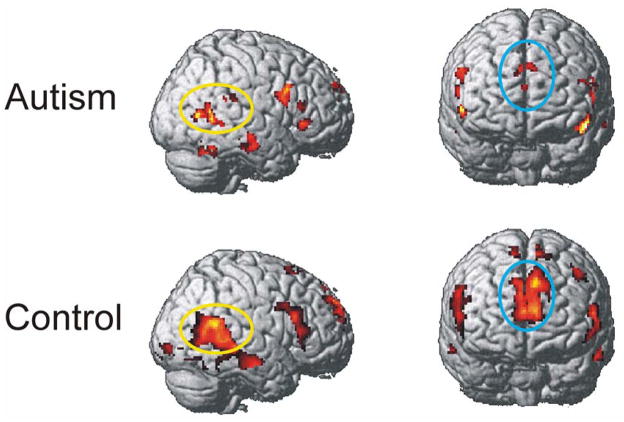
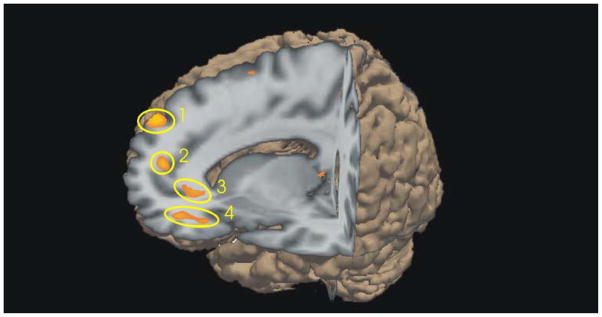
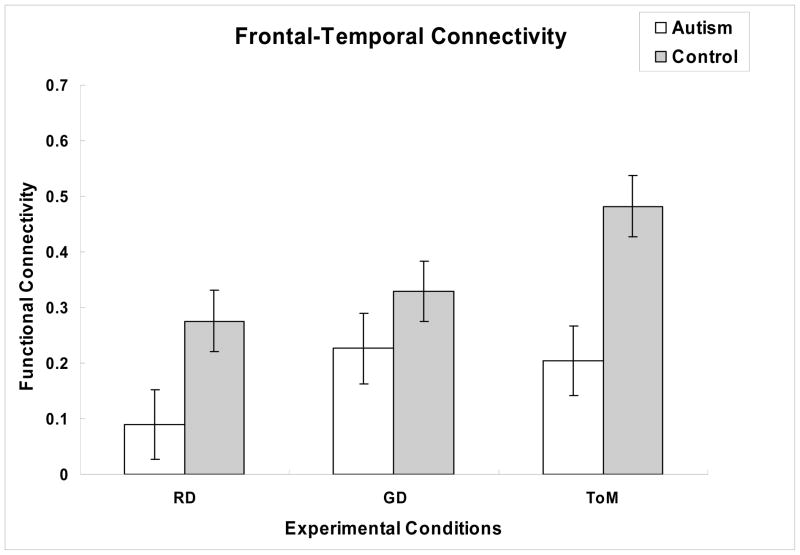
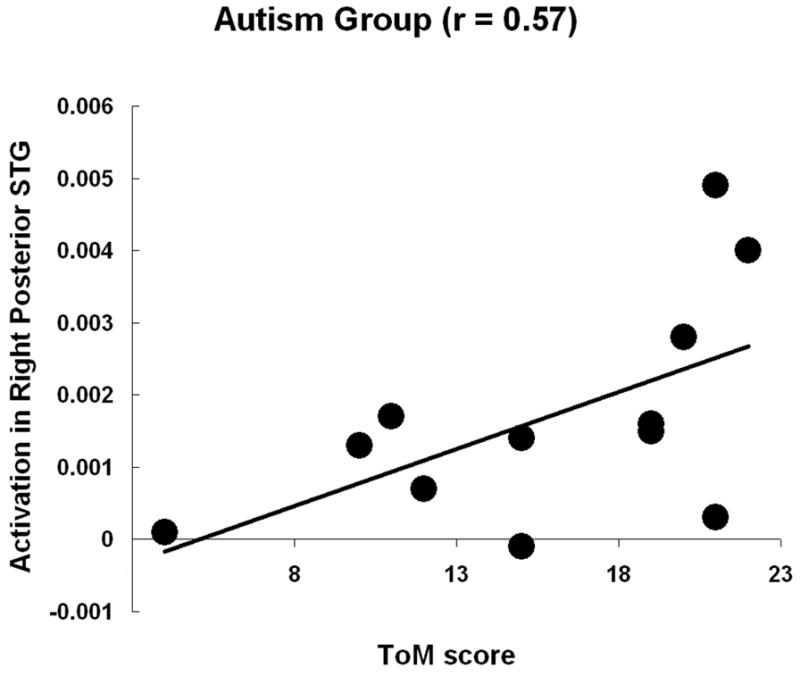
This study used fMRI to investigate the functioning of the Theory of Mind (ToM) cortical network in autism during the viewing of animations that in some conditions entailed the attribution of a mental state to animated geometric figures. At the cortical level, mentalizing (attribution of metal states) is underpinned by the coordination and integration of the components of the ToM network, which include the medial frontal gyrus, the anterior paracingulate, and the right temporoparietal junction. The pivotal new finding was a functional underconnectivity (a lower degree of synchronization) in autism, especially in the connections between frontal and posterior areas during the attribution of mental states. In addition, the frontal ToM regions activated less in participants with autism relative to control participants. In the autism group, an independent psychometric assessment of ToM ability and the activation in the right temporoparietal junction were reliably correlated. The results together provide new evidence for the biological basis of atypical processing of ToM in autism, implicating the underconnectivity between frontal regions and more posterior areas.
Figures
References
-
- Adolphs R. Cognitive neuroscience of human social behavior. Nat Rev Neurosci. 2003;4:165–78. - PubMed
-
- Amodio DM, Frith CD. Meeting of minds: the medial frontal cortex and social cognition. Nat Rev Neurosci. 2006;7:268–277. - PubMed
-
- Barbas H, Ghashghaei H, Dombrowski SM, Rempel-Clower NL. Medial prefrontal cortices are unified by common connections with superior temporal cortices and distinguished by input from memory related areas in the rhesus monkey. J Comp Neurol. 1999;410:343–367. - PubMed
-
- Barnea-Goraly N, Kwon H, Menon V, Eliez S, Lotspeich L, Reiss AL. White matter structure in autism: Preliminary evidence from diffusion tensor imaging. Biol Psych. 2004;55:323–326. - PubMed
-
- Baron-Cohen S, Campbell R, Karmiloff-Smith A, Grant J, Walker J. Are children with autism blind to the mentalistic significance of the eyes? Brit J of Dev Psych. 1995;13:379–398.
Publication types
MeSH terms
Substances
Grants and funding
LinkOut - more resources
Full Text Sources
