


Aging of cerebral white matter: a review of MRI findings
- PMID: 18637641
- PMCID: PMC2631089
- DOI: 10.1002/gps.2087
Aging of cerebral white matter: a review of MRI findings
Abstract
Background: Cerebral aging is a complex and heterogeneous process that is associated with a high degree of inter-individual variability. Structural magnetic resonance imaging (MRI) can be used to identify and quantify non-disease-related aging of the cerebral white matter.
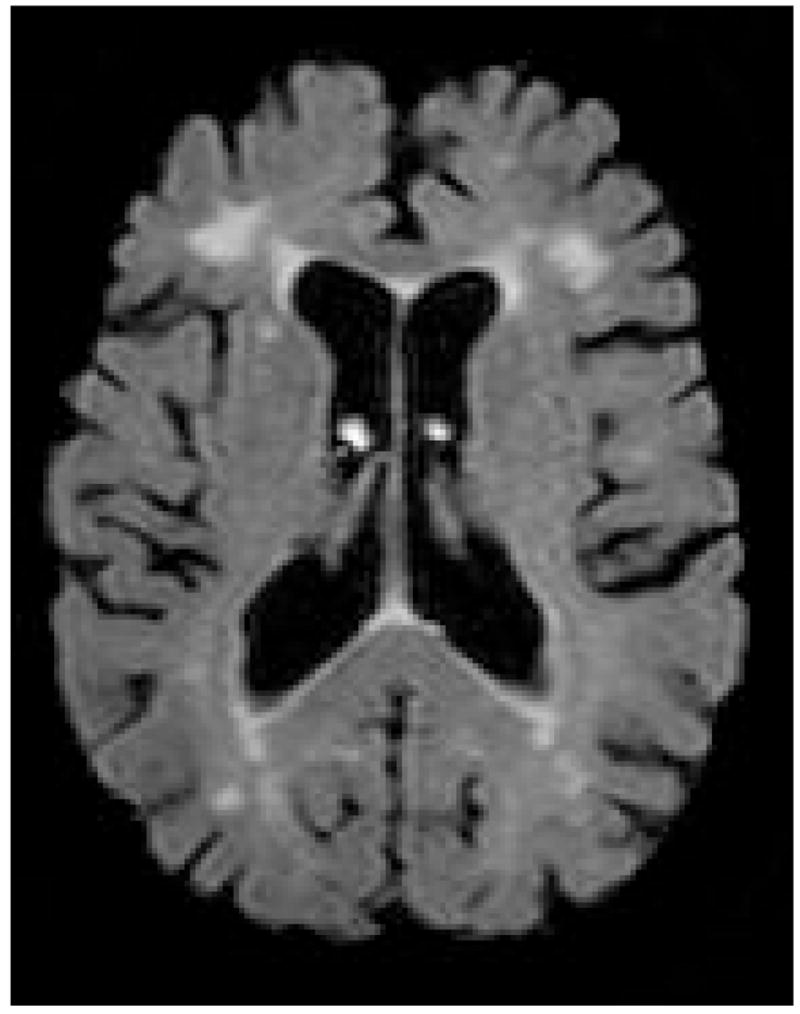
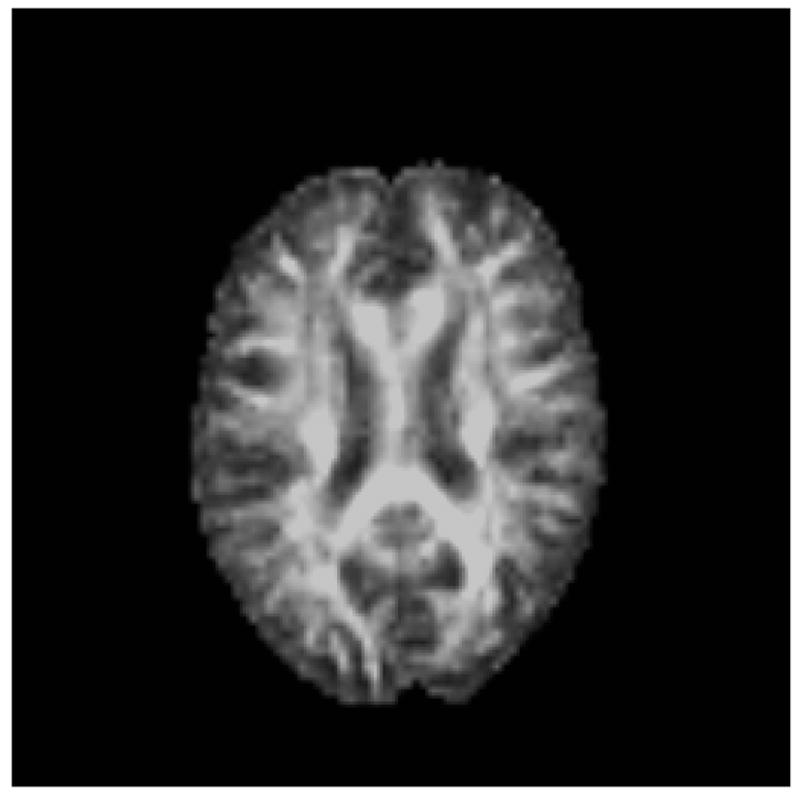
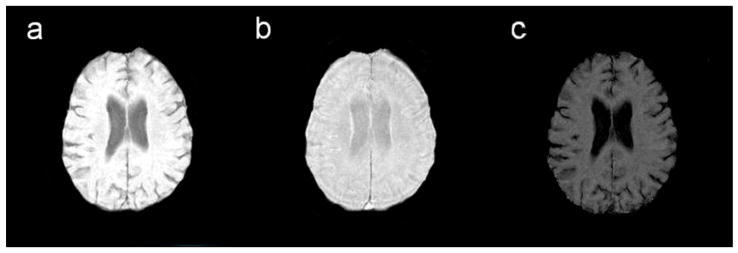
Methods: The present article reviews the findings from several MRI techniques, including morphometric approaches, study of white matter hyperintensities, diffusion tensor imaging, and magnetization transfer imaging, that have been used to examine aging of the cerebral white matter. Furthermore, the relationship of MRI indices of white matter integrity to age-related cognitive declines is reported.
Results: A general pattern of age-related preservation and decline emerges indicating that the prefrontal white matter is most susceptible to the influence of age. Studies that combine MRI with cognitive measures suggest that such age-related reductions in white matter integrity may produce a disconnection state that underlies some of the age-related performance declines in age-sensitive cognitive domains.
Conclusions: White matter aging may contribute to a disconnection state that is associated with declines in episodic memory, executive functions, and information processing speed.
(c) 2008 John Wiley & Sons, Ltd.
Conflict of interest statement
Figures
Comment in
-
Neural correlates of reward processing in late-life depression.Int J Geriatr Psychiatry. 2012 Feb;27(2):217-8. doi: 10.1002/gps.2751. Int J Geriatr Psychiatry. 2012. PMID: 22223147 No abstract available.
References
-
- Abe O, Yamasue H, Aoki S, Suga M, Yamada H, Kasai K, Masutani Y, Kato N, Kato N, Ohtomo K. Aging in the CNS: Comparison of gray/white matter volume and diffusion tensor data. Neurobiol Aging 2006 - PubMed
-
- Aboitiz F, Scheibel AB, Zaidel E. Morphometry of the Sylvian fissure and the corpus callosum, with emphasis on sex differences. Brain. 1992;115:1521–41. - PubMed
-
- Albert M. Neuropsychological and neurophysiological changes in healthy adult humans across the age range. Neurobiol Aging. 1993;14:623–5. - PubMed
-
- Allen JS, Bruss J, Brown CK, Damasio H. Normal neuroanatomical variation due to age: The major lobes and a parcellation of the temporal region. Neurobiol Aging. 2005;26:1245–60. - PubMed
-
- Ardekani S, Kumar A, Bartzokis G, Sinha U. Exploratory voxel-based analysis of diffusion indices and hemispheric asymmetry in normal aging. Magn Reson Imaging. 2007;25:154–67. - PubMed
Publication types
MeSH terms
Grants and funding
LinkOut - more resources
Full Text Sources
Medical
