


NUP98-HOX translocations lead to myelodysplastic syndrome in mice and men
- PMID: 18648006
- PMCID: PMC2518060
- DOI: 10.1093/jncimonographs/lgn014
NUP98-HOX translocations lead to myelodysplastic syndrome in mice and men
Abstract
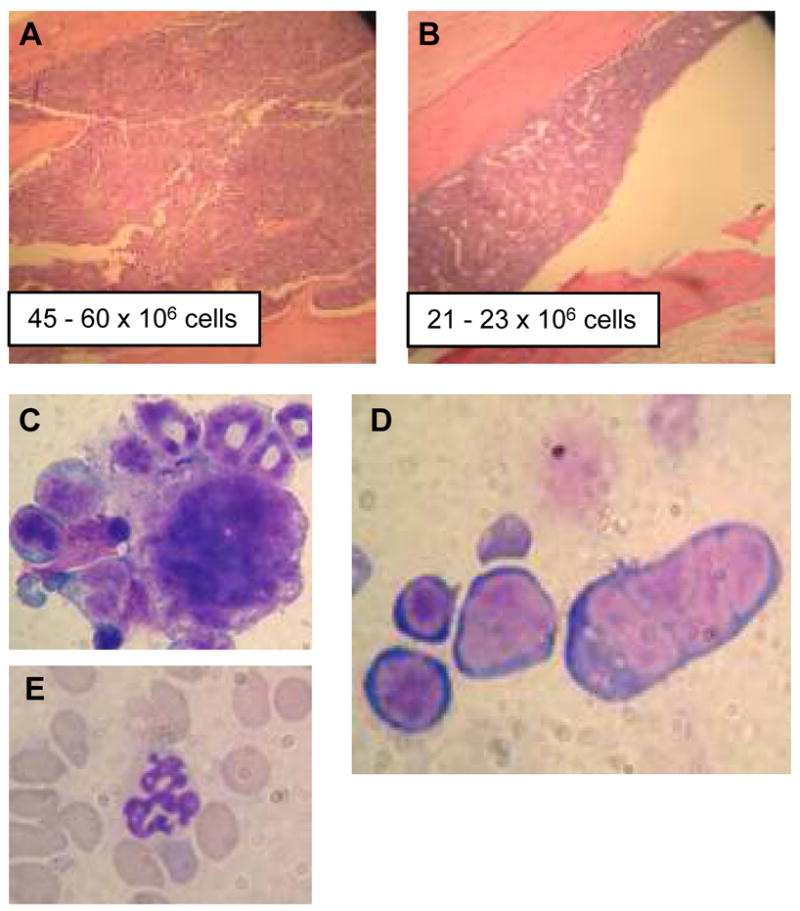
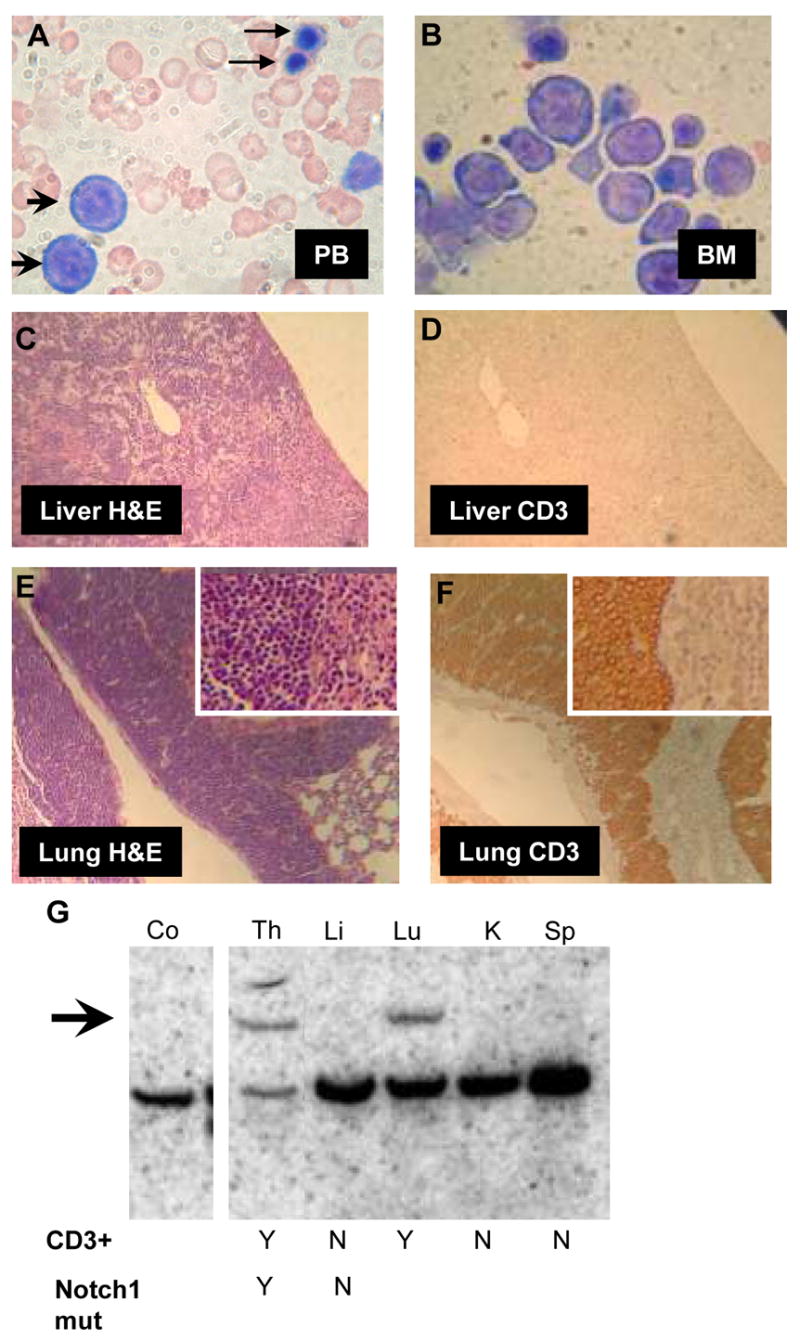
The myelodysplastic syndromes (MDS) are a group of clonal hematopoietic stem cell disorders characterized by ineffective hematopoiesis, peripheral blood cytopenias, dysplasia, and a propensity for transformation to acute myeloid leukemia (AML). A wide spectrum of genetic aberrations has been associated with MDS, including chromosomal translocations involving the NUP98 gene, most commonly leading to fusions of NUP98 with abd-b group HOX genes, including HOXD13. We used vav regulatory elements to direct expression of a NUP98-HOXD13 (NHD13) fusion gene in hematopoietic tissues. NHD13 transgenic mice faithfully recapitulate all the key features of MDS, including peripheral blood cytopenias, bone marrow dysplasia and apoptosis, and transformation to acute leukemia. The MDS that develops in NHD13 transgenic mice is highly lethal; within 14 months, 90% of the mice died of either leukemic transformation or severe anemia and leukopenia due to progressive MDS. These mice provide a preclinical model that can be used for the evaluation of MDS therapy and biology.
Figures
References
-
- Mufti G, List AF, Gore SD, Ho AY. Myelodysplastic syndrome. Hematology (Am Soc Hematol Educ Program) 2003:176–99. - PubMed
-
- Aul C, Germing U, Gattermann N, Minning H. Increasing incidence of myelodysplastic syndromes: real or fictitious? Leuk Res. 1998;22:93–100. - PubMed
-
- Kurzrock R. Myelodysplastic syndrome overview. Semin Hematol. 2002;39:18–25. - PubMed
-
- Steensma DP, Tefferi A. The myelodysplastic syndrome(s): a perspective and review highlighting current controversies. Leuk Res. 2003;27:95–120. - PubMed
-
- Slape C, Aplan PD. The role of NUP98 gene fusions in hematologic malignancy. Leuk Lymphoma. 2004;45:1341–50. - PubMed
Publication types
MeSH terms
Substances
Grants and funding
LinkOut - more resources
Full Text Sources
Medical
Molecular Biology Databases
Research Materials
Miscellaneous
