


A small-molecule E2F inhibitor blocks growth in a melanoma culture model
- PMID: 18676853
- PMCID: PMC3615411
- DOI: 10.1158/0008-5472.CAN-08-0121
A small-molecule E2F inhibitor blocks growth in a melanoma culture model
Abstract
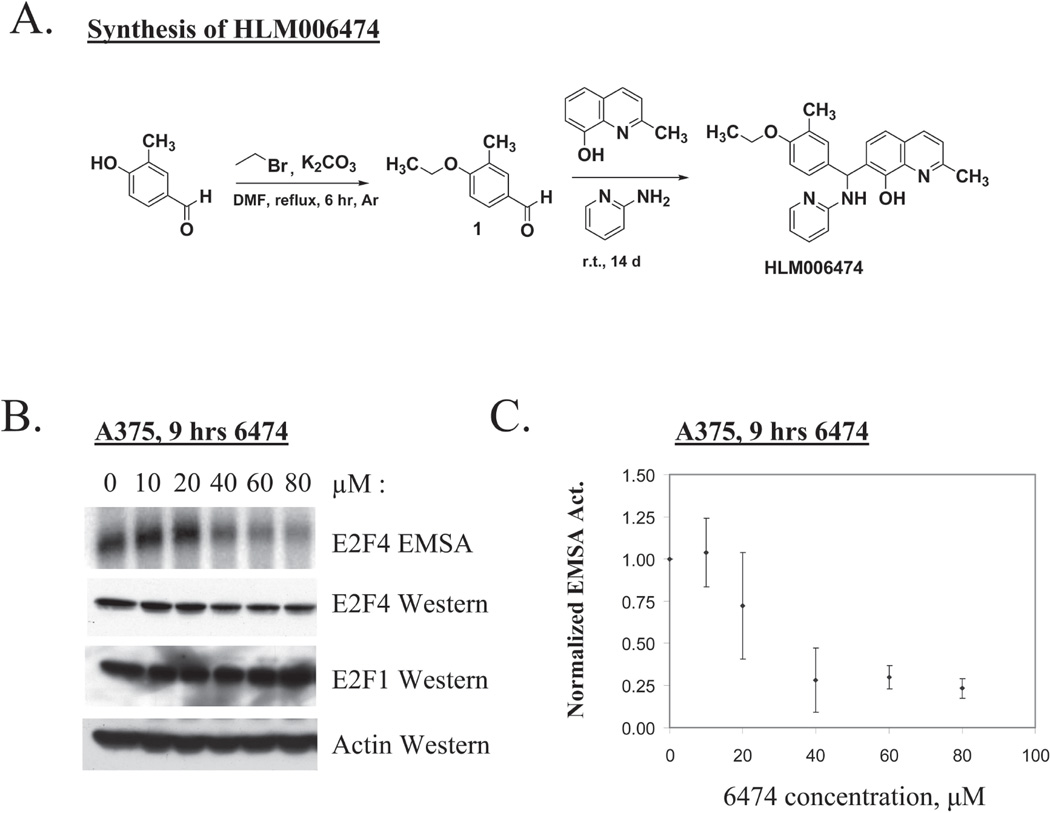
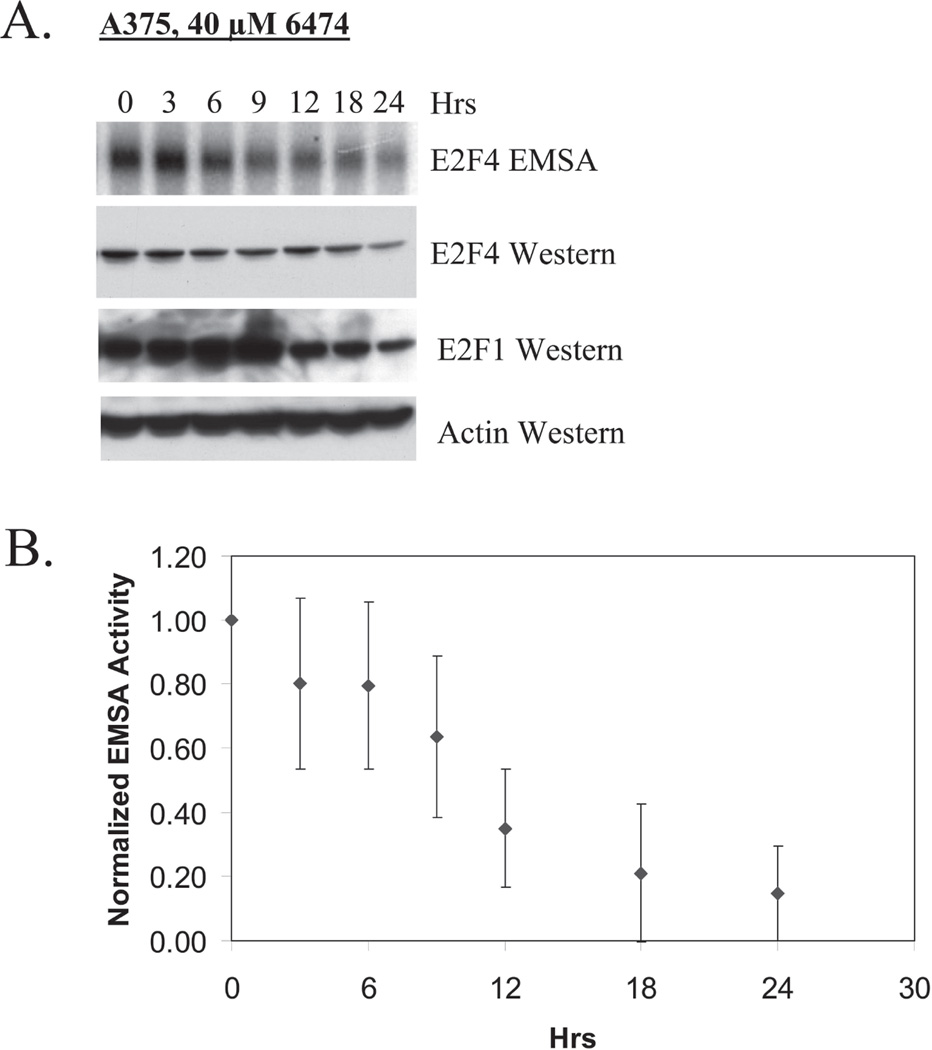
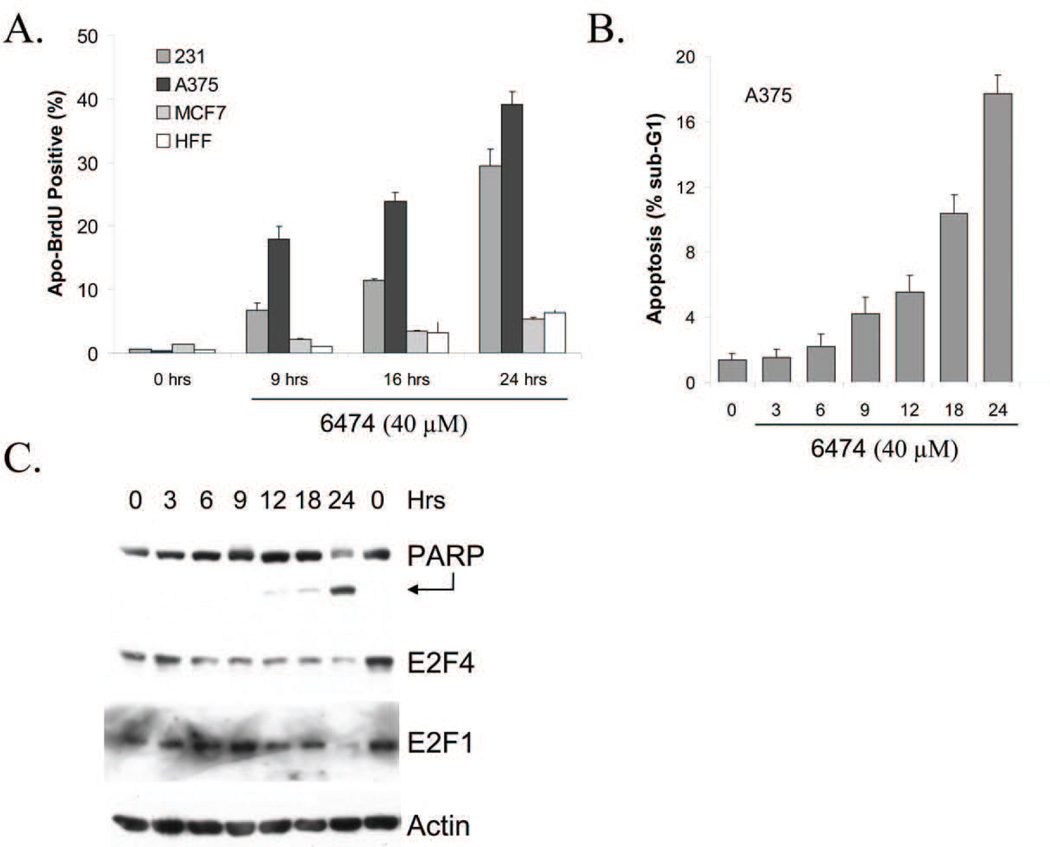
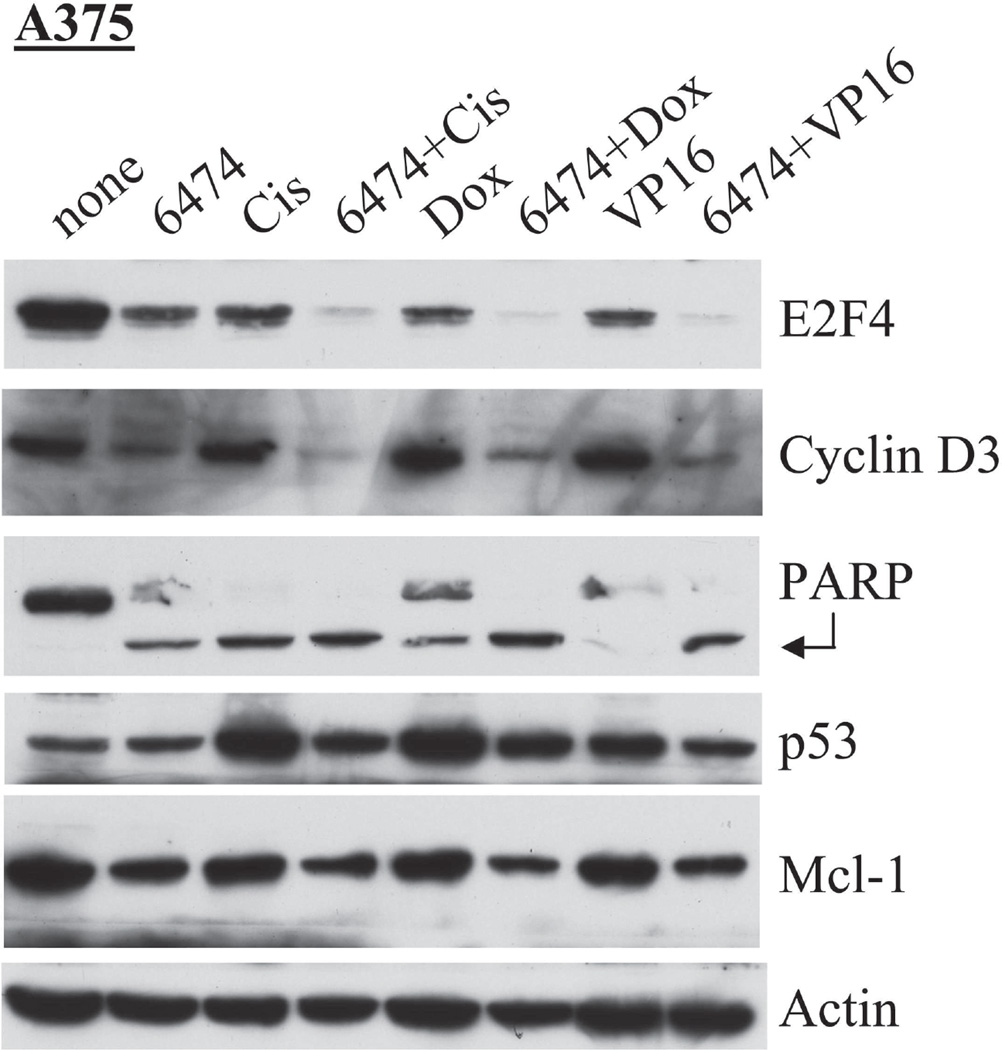
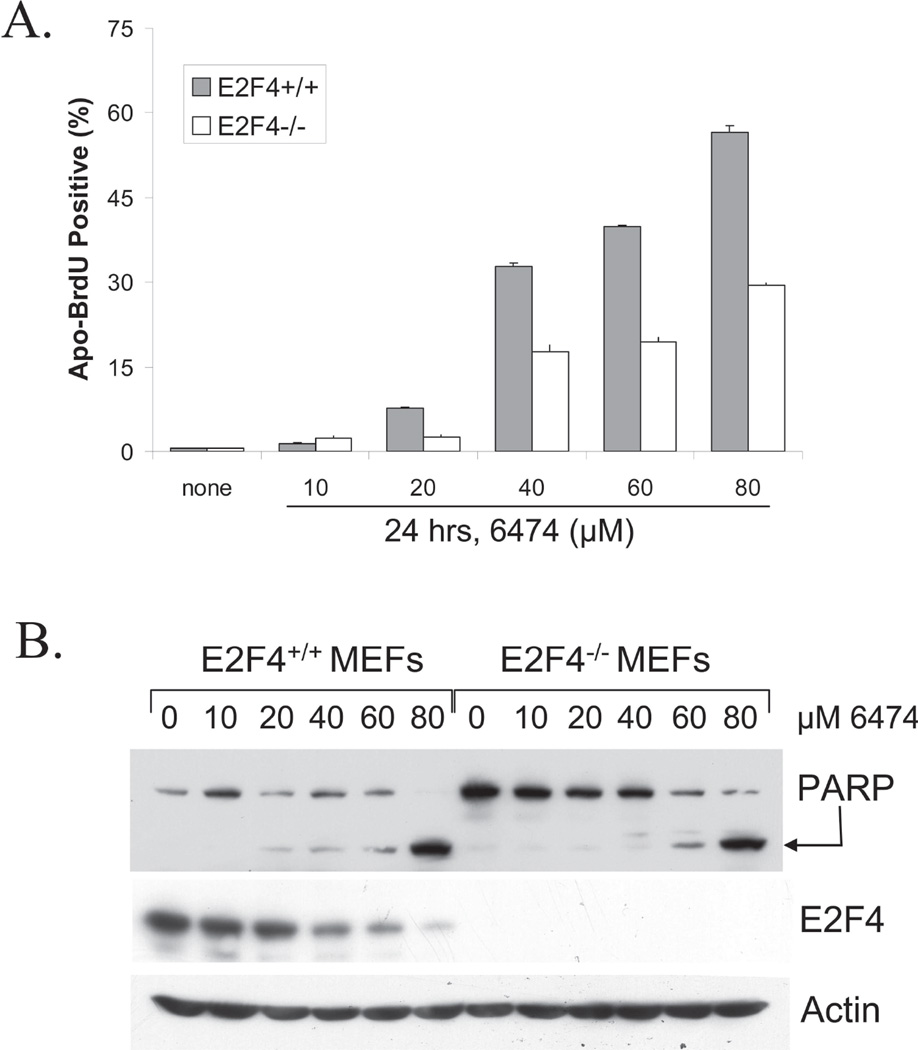
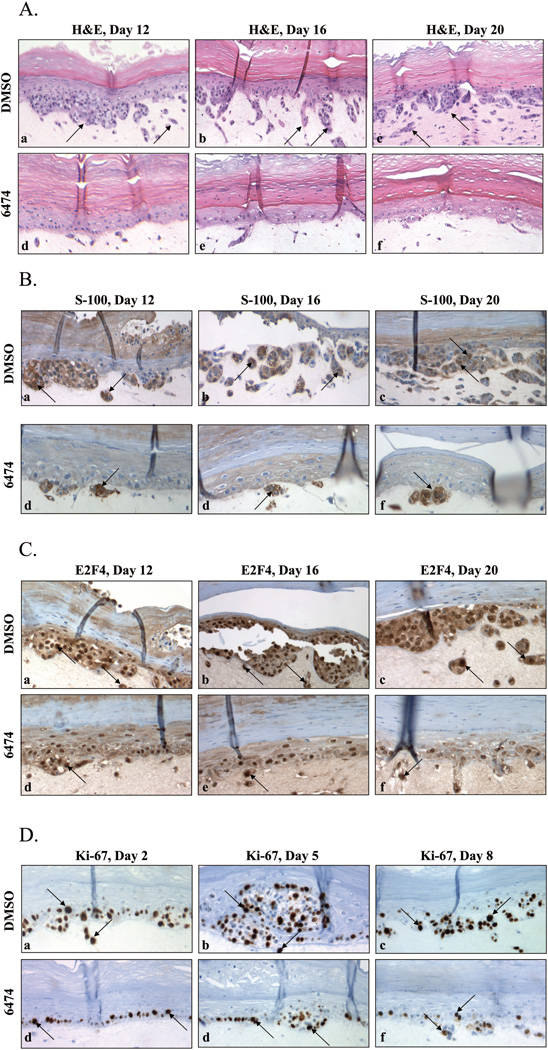
HLM006474 was identified using a computer-based virtual screen and the known crystal structure of the DNA-bound E2F4/DP2 heterodimer. Treatment of multiple cell lines with HLM006474 resulted in the loss of intracellular E2F4 DNA-binding activity as measured by electrophoretic mobility shift assay within hours. Overnight exposure to HLM006474 resulted in down-regulation of total E2F4 protein as well as known E2F targets. The effects of HLM006474 treatment on different cell lines varied but included a reduction in cell proliferation and an increase in apoptosis. HLM006474 induced apoptosis in a manner distinct from cisplatin and doxorubicin. E2F4-null mouse embryonic fibroblasts were less sensitive than wild-type counterparts to the apoptosis-inducing activity of the compound, revealing its biological specificity. A375 cells were extremely sensitive to the apoptosis-inducing activity of the compound in two-dimensional culture, and HLM006474 was a potent inhibitor of melanocytes proliferation and subsequent invasion in a three-dimensional tissue culture model system. Together, these results suggest that interference with E2F activity using small molecules may have clinical application in cancer therapy.
Figures
References
-
- Sage J. Hope in sight for retinoblastoma. Nat Med. 2007;13(1):30–31. - PubMed
-
- La Thangue NB. The yin and yang of E2F-1: balancing life and death. Nat Cell Biol. 2003;5(7):587–589. - PubMed
-
- Johnson DG, Degregori J. Putting the Oncogenic and Tumor Suppressive Activities of E2F into Context. Current molecular medicine. 2006;6(7):731–738. - PubMed
-
- Kong LJ, Chang JT, Bild AH, Nevins JR. Compensation and specificity of function within the E2F family. Oncogene. 2007 - PubMed
-
- Trimarchi JM, Lees JA. Sibling rivalry in the E2F family. Nat Rev Mol Cell Biol. 2002;3(1):11–20. - PubMed
Publication types
MeSH terms
Substances
Grants and funding
LinkOut - more resources
Full Text Sources
Other Literature Sources
