


Six2 defines and regulates a multipotent self-renewing nephron progenitor population throughout mammalian kidney development
- PMID: 18682239
- PMCID: PMC2561900
- DOI: 10.1016/j.stem.2008.05.020
Six2 defines and regulates a multipotent self-renewing nephron progenitor population throughout mammalian kidney development
Abstract
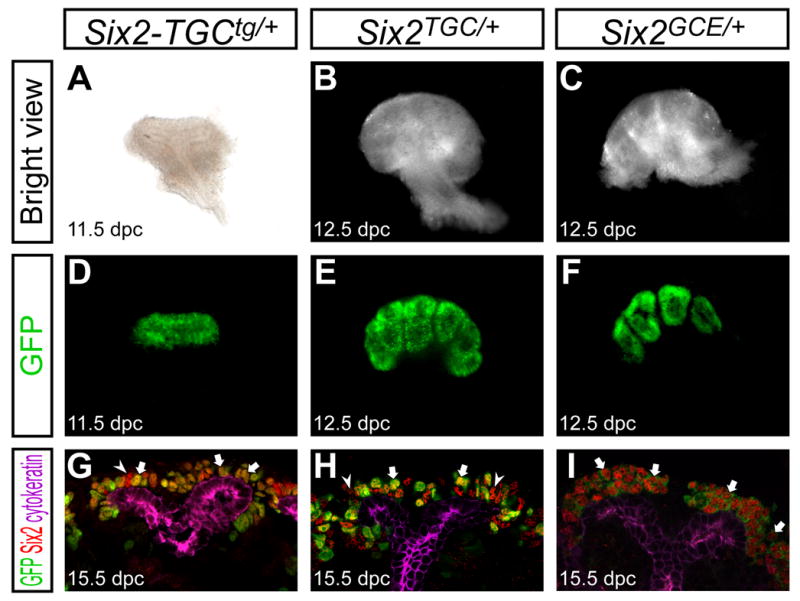
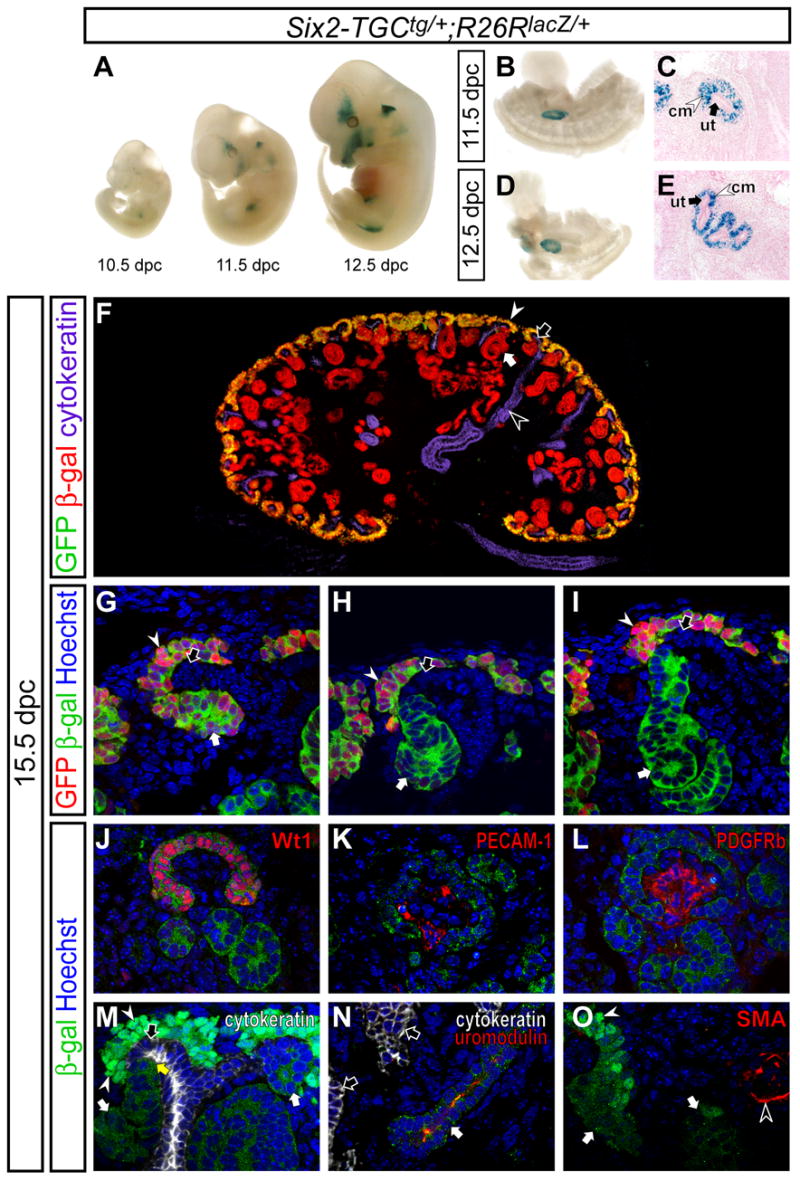
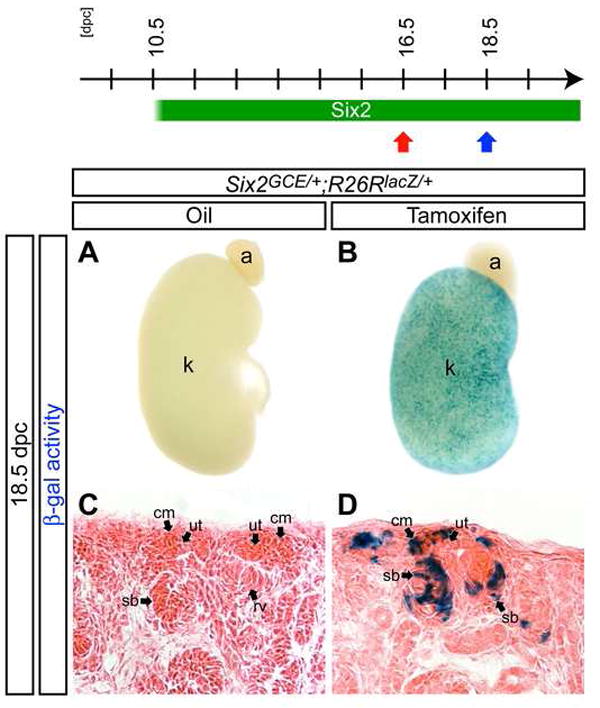
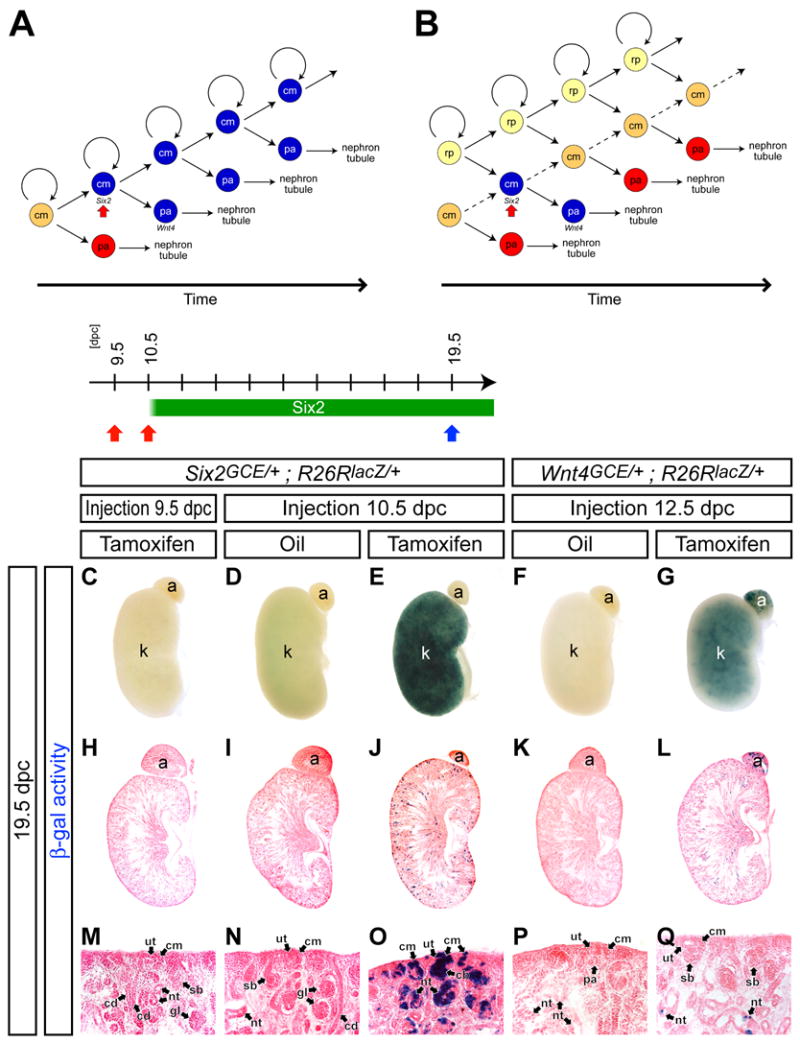
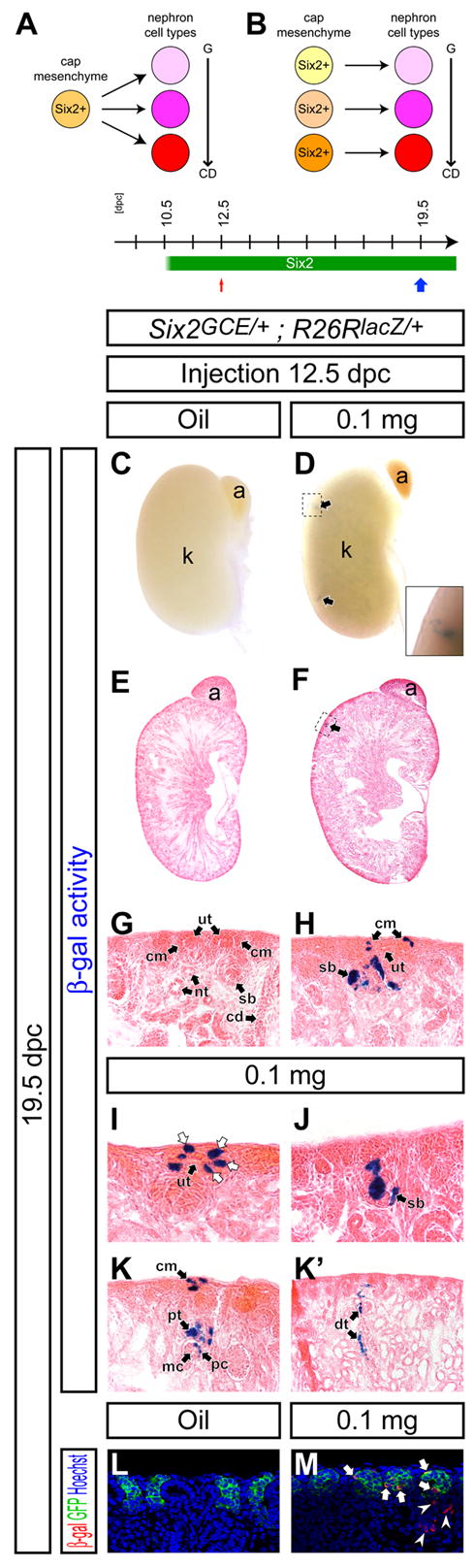
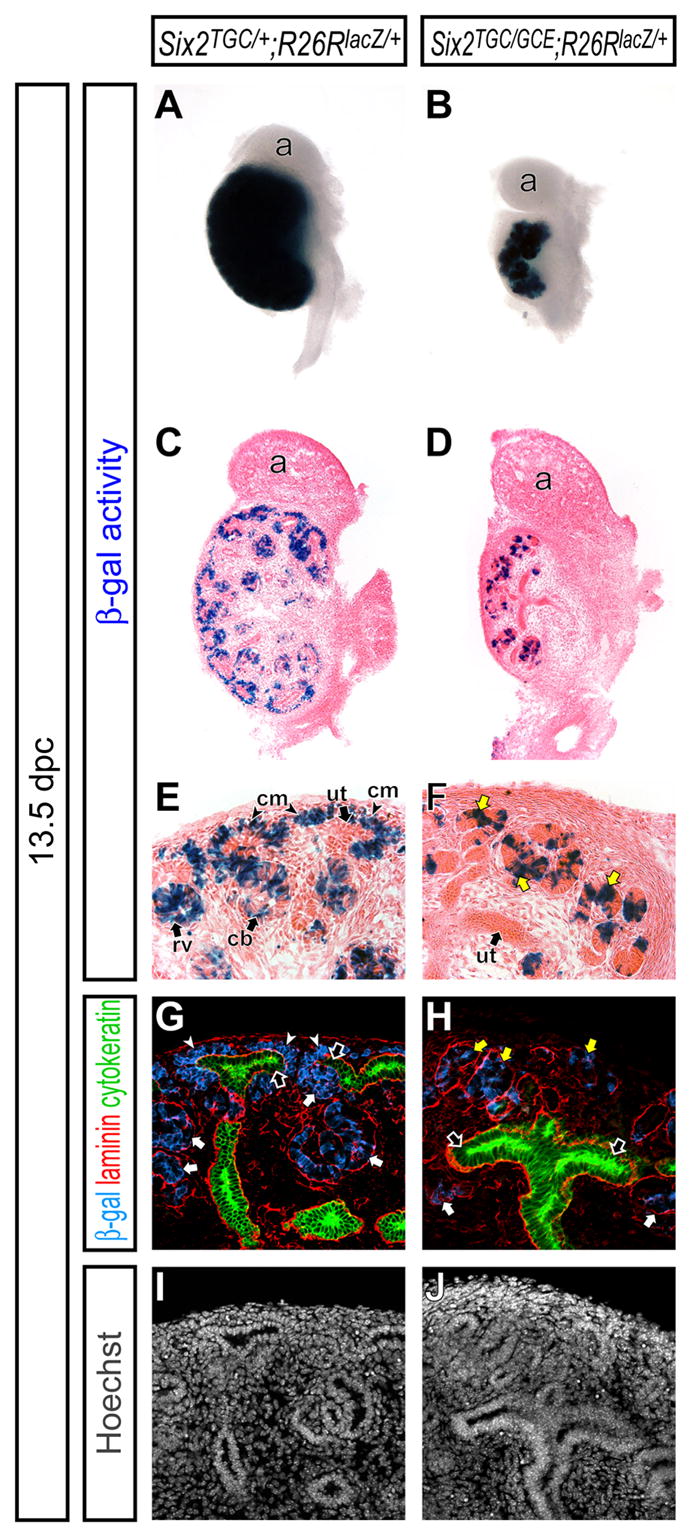
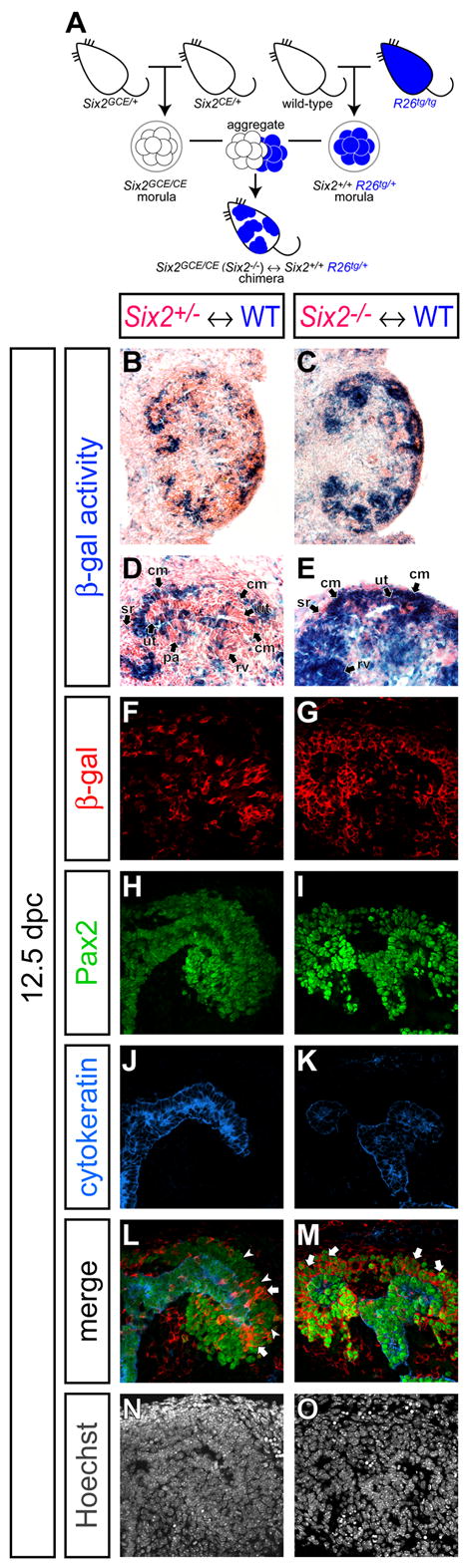
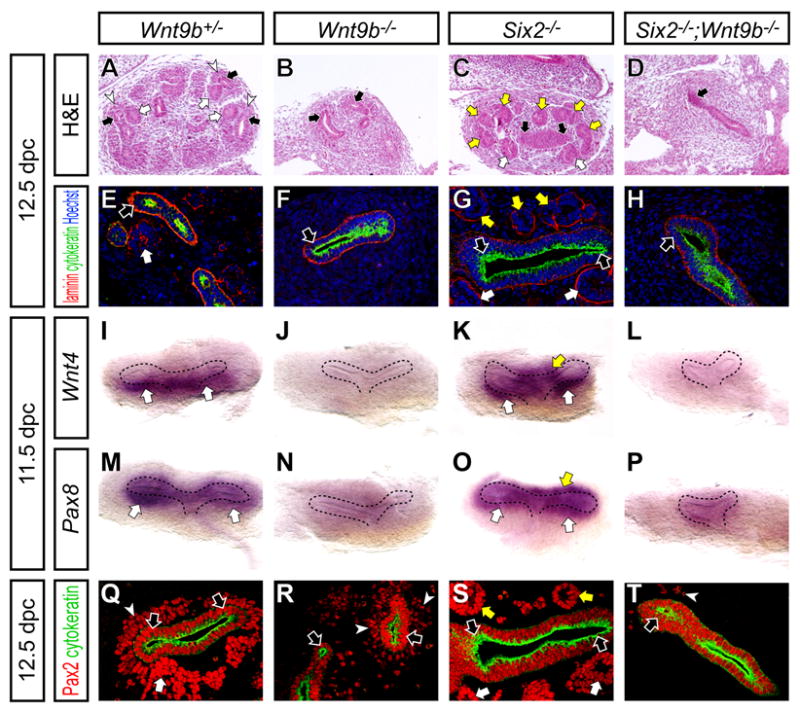
Nephrons, the basic functional units of the kidney, are generated repetitively during kidney organogenesis from a mesenchymal progenitor population. Which cells within this pool give rise to nephrons and how multiple nephron lineages form during this protracted developmental process are unclear. We demonstrate that the Six2-expressing cap mesenchyme represents a multipotent nephron progenitor population. Six2-expressing cells give rise to all cell types of the main body of the nephron during all stages of nephrogenesis. Pulse labeling of Six2-expressing nephron progenitors at the onset of kidney development suggests that the Six2-expressing population is maintained by self-renewal. Clonal analysis indicates that at least some Six2-expressing cells are multipotent, contributing to multiple domains of the nephron. Furthermore, Six2 functions cell autonomously to maintain a progenitor cell status, as cap mesenchyme cells lacking Six2 activity contribute to ectopic nephron tubules, a mechanism dependent on a Wnt9b inductive signal. Taken together, our observations suggest that Six2 activity cell-autonomously regulates a multipotent nephron progenitor population.
Figures
Comment in
-
Uncapping the potential of renal stem cells.Cell Stem Cell. 2008 Aug 7;3(2):123-4. doi: 10.1016/j.stem.2008.07.019. Cell Stem Cell. 2008. PMID: 18682231
References
-
- Barasch J, Qiao J, McWilliams G, Chen D, Oliver JA, Herzlinger D. Ureteric bud cells secrete multiple factors, including bFGF, which rescue renal progenitors from apoptosis. The American journal of physiology. 1997;273:F757–767. - PubMed
-
- Barasch J, Yang J, Ware C, Taga T, Yoshida K, Erdjument-Bromage H, Tempst P, Parravicini E, Malach S, Aranoff T, et al. Mesenchymal to epithelial conversion in rat metanephros is induced by LIF. Cell. 1999b;99:377–386. - PubMed
-
- Bond CT, Sprengel R, Bissonnette JM, Kaufmann WA, Pribnow D, Neelands T, Storck T, Baetscher M, Jerecic J, Maylie J, et al. Respiration and parturition affected by conditional overexpression of the Ca2+-activated K+ channel subunit, SK3. Science. 2000;289:1942–1946. - PubMed
-
- Boyle S, Misfeldt A, Chandler KJ, Deal KK, Southard-Smith EM, Mortlock DP, Baldwin HS, de Caestecker M. Fate mapping using Cited1-CreER(T2) mice demonstrates that the cap mesenchyme contains self-renewing progenitor cells and gives rise exclusively to nephronic epithelia. Developmental biology 2007 - PMC - PubMed
Publication types
MeSH terms
Substances
Grants and funding
LinkOut - more resources
Full Text Sources
Other Literature Sources
Molecular Biology Databases
Miscellaneous
