


A comparison of the physical and chemical differences between cancellous and cortical bovine bone mineral at two ages
- PMID: 18685796
- PMCID: PMC6181642
- DOI: 10.1007/s00223-008-9164-z
A comparison of the physical and chemical differences between cancellous and cortical bovine bone mineral at two ages
Erratum in
- Calcif Tissue Int. 2009 Apr;84(4):335
Abstract
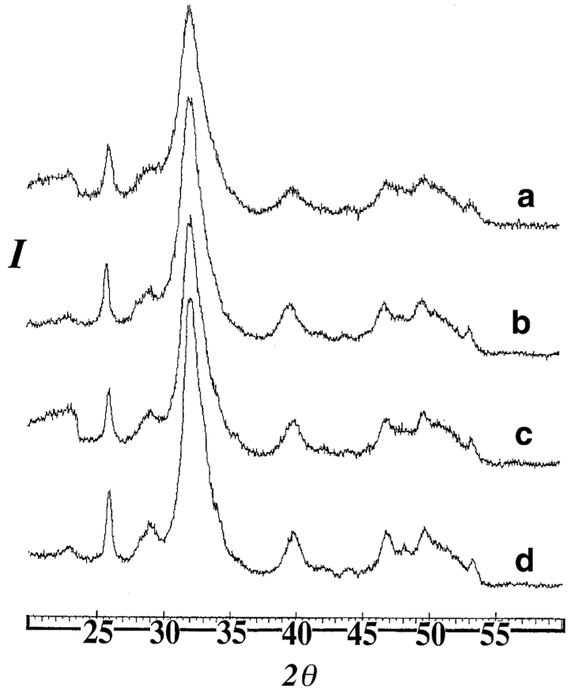
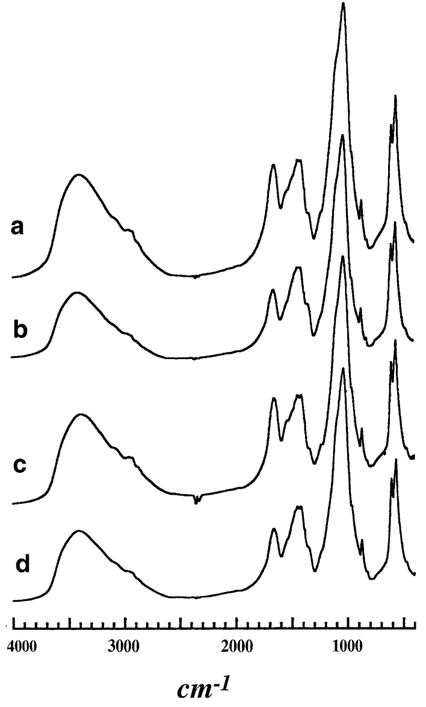
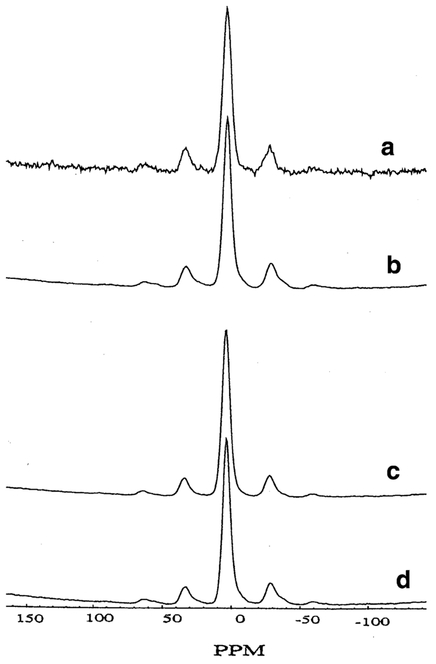
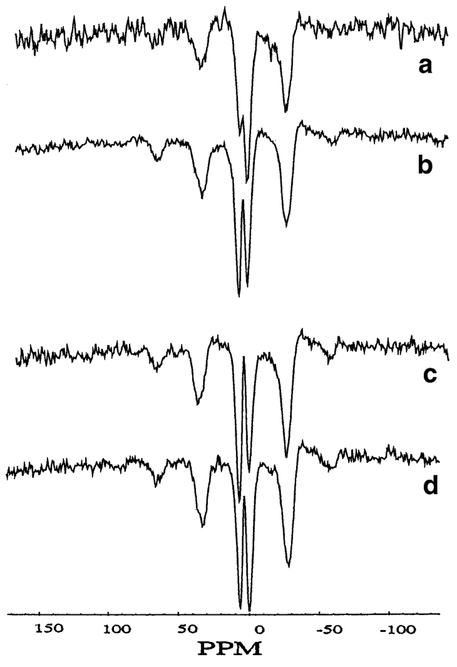
To assess possible differences between the mineral phases of cortical and cancellous bone, the structure and composition of isolated bovine mineral crystals from young (1-3 months) and old (4-5 years) postnatal bovine animals were analyzed by a variety of complementary techniques: chemical analyses, Fourier transform infrared spectroscopy (FTIR), X-ray diffraction (XRD), and (31)P solid-state magic angle spinning nuclear magnetic resonance spectroscopy (NMR). This combination of methods represents the most complete physicochemical characterization of cancellous and cortical bone mineral completed thus far. Spectra obtained from XRD, FTIR, and (31)P NMR all confirmed that the mineral was calcium phosphate in the form of carbonated apatite; however, a crystal maturation process was evident between the young and old and between cancellous and cortical mineral crystals. Two-way analyses of variance showed larger increases of crystal size and Ca/P ratio for the cortical vs. cancellous bone of 1-3 month than the 4-5 year animals. The Ca/(P + CO(3)) remained nearly constant within a given bone type and in both bone types at 4-5 years. The carbonate and phosphate FTIR band ratios revealed a decrease of labile ions with age and in cortical, relative to cancellous, bone. Overall, the same aging or maturation trends were observed for young vs. old and cancellous vs. cortical. Based on the larger proportion of newly formed bone in cancellous bone relative to cortical bone, the major differences between the cancellous and cortical mineral crystals must be ascribed to differences in average age of the crystals.
Figures
References
-
- Glimcher MJ (1998) The nature of the mineral phase in bone: biological and clinical applications In: Alvioli L, Krane S (eds) Metabolic bone disease. Academic Press, New York, pp 23–50
-
- LeGeros RZ (1991) Calcium phosphates in oral biology and medicine. Karger, Basel, p 110 - PubMed
-
- Roufosse AH, Landis WJ, Sabine WK, Glimcher MJ (1979) Identification of brushite in newly deposited bone mineral from embryonic chicks. J Ultrastruct Res 68:235–255 - PubMed
-
- Bonar LC, Grynpas MD, Glimcher MJ (1984) Failure to detect crystalline brushite in embryonic chick and bovine bone by X-ray diffraction. J Ultrastruct Res 86:93–99 - PubMed
-
- Biltz RM, Pellegrino ED (1971) The hydroxyl content of calcified tissue mineral. Calcif Tissue Res 36:259–263 - PubMed
Publication types
MeSH terms
Substances
Grants and funding
LinkOut - more resources
Full Text Sources
Medical
Miscellaneous
