. 2008 Aug 8;4(8):e1000120.
doi: 10.1371/journal.ppat.1000120.

Rudra interrupts receptor signaling complexes to negatively regulate the IMD pathway

Affiliations

Rudra interrupts receptor signaling complexes to negatively regulate the IMD pathway

Kamna Aggarwal et al. PLoS Pathog. .

Abstract

Insects rely primarily on innate immune responses to fight pathogens. In Drosophila, antimicrobial peptides are key contributors to host defense. Antimicrobial peptide gene expression is regulated by the IMD and Toll pathways. Bacterial peptidoglycans trigger these pathways, through recognition by peptidoglycan recognition proteins (PGRPs). DAP-type peptidoglycan triggers the IMD pathway via PGRP-LC and PGRP-LE, while lysine-type peptidoglycan is an agonist for the Toll pathway through PGRP-SA and PGRP-SD. Recent work has shown that the intensity and duration of the immune responses initiating with these receptors is tightly regulated at multiple levels, by a series of negative regulators. Through two-hybrid screening with PGRP-LC, we identified Rudra, a new regulator of the IMD pathway, and demonstrate that it is a critical feedback inhibitor of peptidoglycan receptor signaling. Following stimulation of the IMD pathway, rudra expression was rapidly induced. In cells, RNAi targeting of rudra caused a marked up-regulation of antimicrobial peptide gene expression. rudra mutant flies also hyper-activated antimicrobial peptide genes and were more resistant to infection with the insect pathogen Erwinia carotovora carotovora. Molecularly, Rudra was found to bind and interfere with both PGRP-LC and PGRP-LE, disrupting their signaling complex. These results show that Rudra is a critical component in a negative feedback loop, whereby immune-induced gene expression rapidly produces a potent inhibitor that binds and inhibits pattern recognition receptors.


Conflict of interest statement

The authors have declared that no competing interests exist.

Figures

Figure 1
Figure 1. Rudra interacts with the receptors PGRP-LE and PGRP-LC.
(A, B) Immunoprecipitation (IP) and immunoblot (IB) analysis of lysates from S2* or HEK cells transiently transfected with expression plasmids for FLAG-tagged PGRP-LE and/or T7-tagged rudra. In the Drosophila S2* cells, the copper inducible metallothionein promoter was used for expression and cells were treated with CuSO4 or left untreated, as indicated. (C) Similar co-immunoprecipitation experiments from lysates of HEK cells transiently co-transfected with T7-tagged PGRP-LCx and FLAG-tagged rudra expression plasmids. (D) Schematic representation of the PGRP-LCx deletions mutants used in (E). (E) IP-IB analysis of lysates from S2* cells transiently transfected with metallothionein promoter expression plasmids encoding wild-type and deletion mutants of V5-tagged PGRP-LCx and FLAG-tagged rudra, with or without CuSO4treatment, as indicated. Data are representative of at least three independent assays.
Figure 2
Figure 2. rudra, a negative feedback regulator of IMD signaling in cells.
(A) Real-time RT-PCR analysis of rudra transcript from S2* cells which were stimulated with PGN for various times. Diptericin expression was quantified, by Northern blot, from these same cells. (B) Northern blot of Diptericn, Attacin, Cecropin and rp49 expression in S2* cells treated with lacZ dsRNA or Rudra dsRNA, and then stimulated with PGN for various times. Data are representative of at least three independent assays. Error bars in (A) represent standard deviation on 3 technical repeats.
Figure 3
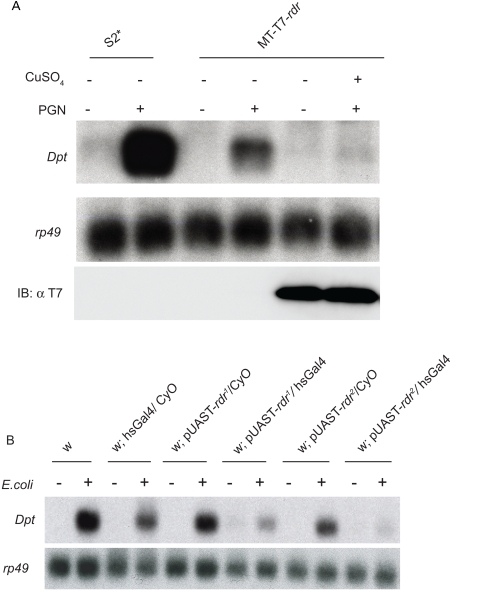
Figure 3. Over-expression of rudra blocks IMD signaling in both cells and flies.
(A) Northern blot of Dpt and rp49 expression in S2* cells stably transfected with a metallothionein promoter–driven transgene expressing rudra. Cells were treated with CuSO4 for 1.5 hours and then stimulated with PGN for 5 hours, as indicated. (B) Northern blot of Diptericin and rp49 expression in adult flies carrying UAS promoter–driven transgenes expressing rudra (two independent transgenic lines). Flies were heat shocked for 1.5 hours and then RNA was isolated 8 hours after septic infection with E.coli. Data are representative of at least three independent assays.
Figure 4
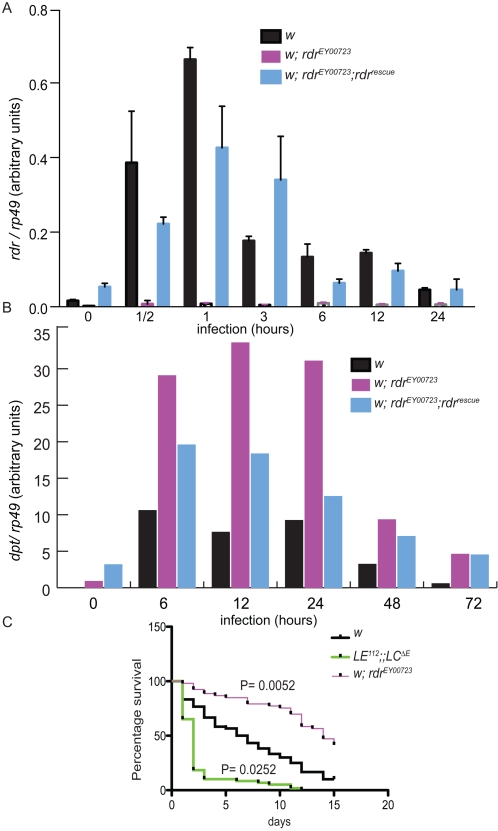
Figure 4. Characterization of rudra mutant flies.
(A) Real-time RT-PCR analysis of rudra transcript from w1118, rudraEY00723, and rdrrescue flies that were infected with E.coli for various times. (B) Quantified Northern blotting data of Diptericin and rp49 expression in w1118, rudraEY00723 and rudrarescue flies following infection with E.coli. (C) Survival assays were performed following infection of w1118, rudraEY00723 and LE112;LCΔE flies with E. carotovora carotovora. Infected animals were incubated at 29°C and the number of surviving flies were counted every 24 hours. Survival data is presented in Kaplan-Meier plots and significance was analyzed by log-rank test. (A) and (B) are representative of at least 3 independent experiments, while (C) is representative of 2 independent trials, with 60 or 100 animals.
Figure 5
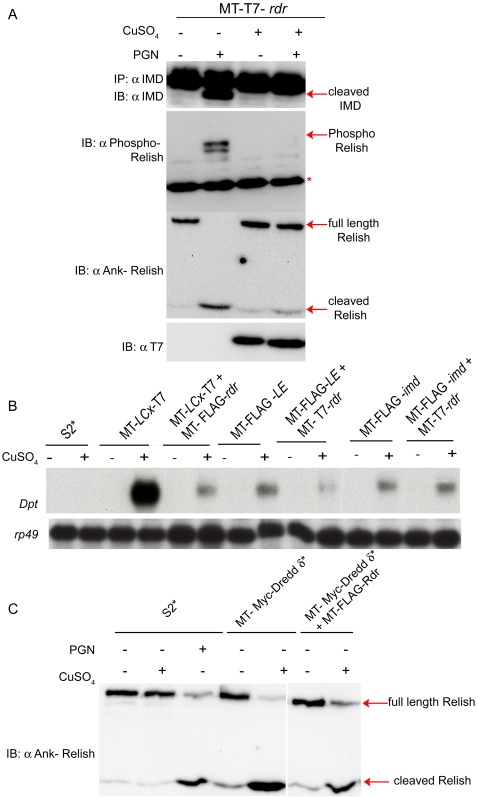
Figure 5. Rudra functions upstream of IMD, Dredd and Relish.
(A) Analysis of lysates from S2* cells stably transfected with a metallothionein promoter plasmid expressing T7-tagged rudra, with or without treatment with CuSO4 and PGN, as indicated. IMD cleavage was analyzed by IP-IB (upper panel), while Relish phosphorylation and cleavage were analyzed by immunoblotting (in the middle two panels). The asterisk marks heavy chain detected by the secondary antibody. The lowest panel confirms Rudra expression with anti-T7 IB. (B) Northern blot of Diptericin and rp49 expression levels in S2* cells stably transfected with metallothionein promoter–driven transgenes expressing PGRP-LCx, PGRP-LE, or imd, with or without concurrent expression of rudra. Cells were treated with CuSO4 (+) or left untreated (−), and RNA was extracted after 6 hours. (C) Immunoblot analysis of Relish cleavage from S2* cells stably transfected with metallothionein promoter expression plasmid for Dredd, with or without concurrent expression of FLAG-tagged rudra. CuSO4 was added, for 5 hours, to induce transgene expression, as indicated. Data are representative of at least three independent assays.
Figure 6
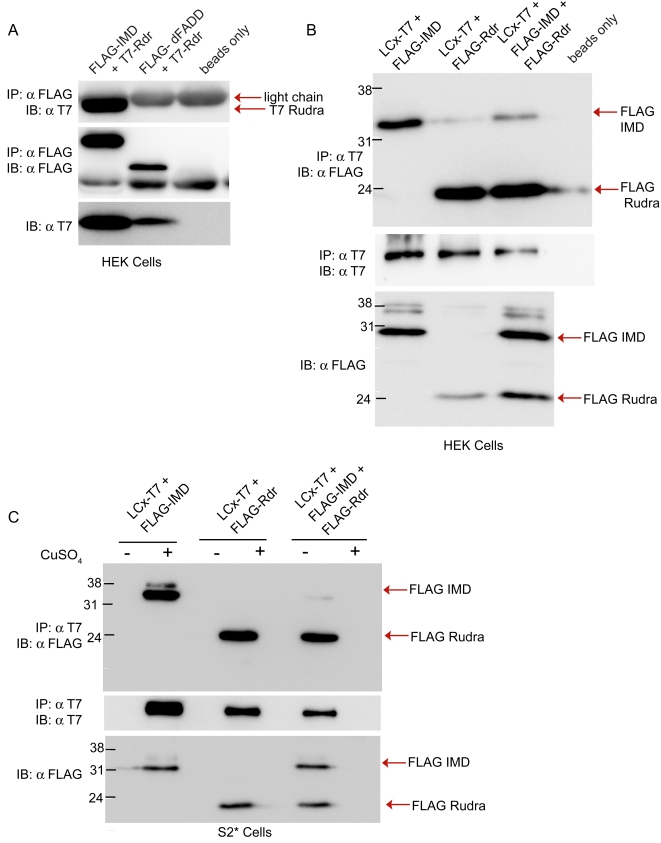
Figure 6. Rudra disrupts the interaction between PGRP-LCx and IMD.
(A) IP-IB analysis of lysates of HEK cells transiently transfected with expression plasmids for FLAG-tagged imd or FLAG-tagged dFADD and T7-tagged rudra. Rudra interacted with IMD but not dFADD. (B, C) Similar co-immunoprecipitation experiments from lysates of HEK cells (B) or S2* cells (C) simultaneously co-transfected with T7 tagged PGRP-LCx, FLAG tagged IMD and/or FLAG-tagged rudra. Rudra interfered with the association between PGRP-LC and IMD. Data are representative of at least three independent assays. Data are representative of 3 independent experiments.

References

    1. Brennan CA, Anderson KV. Drosophila: the genetics of innate immune recognition and response. Annu Rev Immunol. 2004;22:457–483. - PubMed
    1. Cherry S, Silverman N. Host-pathogen interactions in drosophila: new tricks from an old friend. Nat Immunol. 2006;7:911–917. - PubMed
    1. Hultmark D. Drosophila immunity: paths and patterns. Curr Opin Immunol. 2003;15:12–19. - PubMed
    1. Lemaitre B, Hoffmann J. The Host Defense of Drosophila melanogaster. Annu Rev Immunol. 2007;25:697–743. - PubMed
    1. Lemaitre B, Reichhart JM, Hoffmann JA. Drosophila host defense: differential induction of antimicrobial peptide genes after infection by various classes of microorganisms. Proc Natl Acad Sci USA. 1997;94:14614–14619. - PMC - PubMed

Publication types

MeSH terms

Substances