


African Americans, 25-hydroxyvitamin D, and osteoporosis: a paradox
- PMID: 18689399
- PMCID: PMC2777641
- DOI: 10.1093/ajcn/88.2.545S
African Americans, 25-hydroxyvitamin D, and osteoporosis: a paradox
Abstract
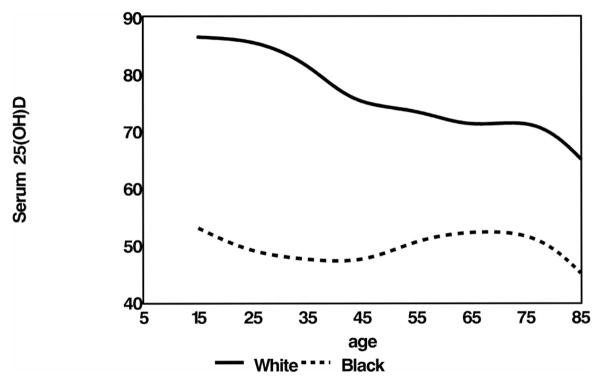
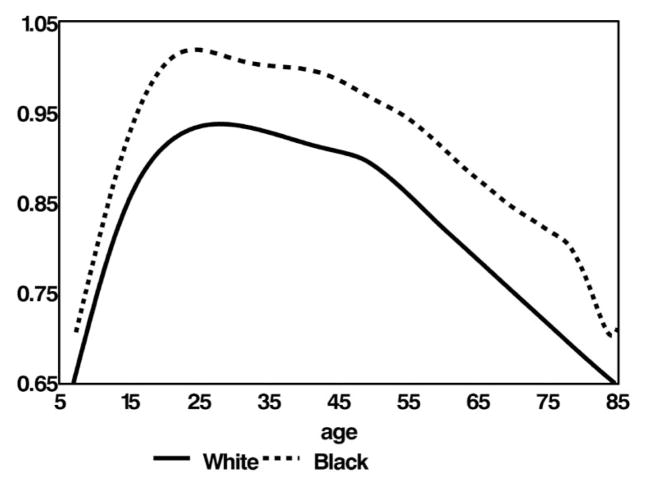
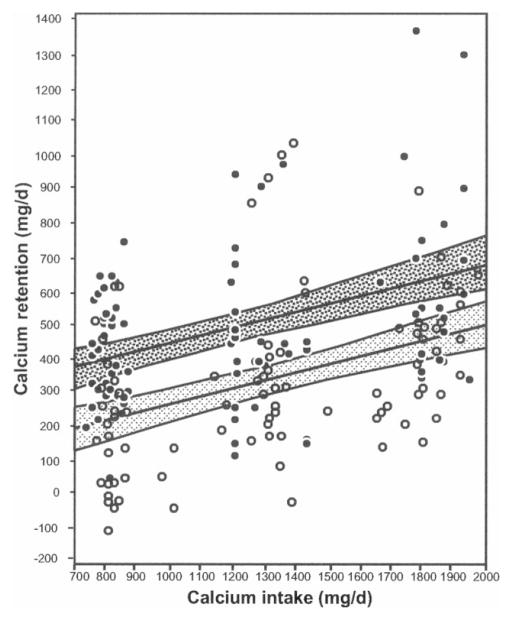
African Americans have lower serum 25-hydroxyvitamin D concentrations and a lower risk of fragility fractures than do other populations. I review the evidence on factors other than vitamin D that might explain this paradox and the calcium economy in different life stages. Researchers are actively trying to explain this genetically programmed advantage. Factors that could protect African Americans against fracture include their higher peak bone mass, increased obesity rates, greater muscle mass, lower bone turnover rates, and advantageous femur geometry. In addition, bone histomorphometry in young adults shows longer periods of bone formation. Although African Americans fall as frequently as do whites, the direction of their falls and their manner of breaking falls could protect them from fractures. African American girls accrue more calcium than do white girls during adolescence as the result of increased calcium absorption and superior renal calcium conservation. In adulthood, higher parathyroid hormone concentrations do not result in increased bone loss in African Americans because of their skeletal resistance to parathyroid hormone, and their superior renal conservation of calcium persists. These advantages diminish in the elderly, in whom further increases in parathyroid hormone result in increased bone turnover and bone loss. Ultimately, I explain the paradox by multiple factors associated with fracture risk and calcium economy in African Americans. Despite African Americans' reduced risk of osteoporotic fractures, such fractures remain an important public health problem for this population that vitamin D intervention studies have not addressed.
Conflict of interest statement
The author had no personal or financial conflicts of interest.
Figures
References
-
- Dawson-Hughes B, Heaney RP, Holick MF, et al. Estimates of optimal vitamin D status. Osteoporos Int. 2005;16:713–6. - PubMed
-
- Vieth R, Bischoff-Ferrari H, Boucher BJ, et al. The urgent need to recommend an intake of vitamin D that is effective. Am J Clin Nutr. 2007;85:649–50. - PubMed
-
- Bischoff-Ferrari HA, Willett WC, Wong JB, et al. Fracture prevention with vitamin D supplementation: a meta-analysis of randomized controlled trials. JAMA. 2005;293:2257–64. - PubMed
-
- Latham NK, Anderson CS, Lee A, et al. A randomized, controlled trial of quadriceps resistance exercise and vitamin D in frail older people: the Frailty Interventions Trial in Elderly Subjects (FITNESS) J Am Geriatr Soc. 2003;51:291–9. - PubMed
-
- Bischoff HA, Stahelin HB, Dick W, et al. Effects of vitamin D and calcium supplementation on falls: a randomized controlled trial. J Bone Miner Res. 2003;18:343–51. - PubMed
Publication types
MeSH terms
Substances
Grants and funding
LinkOut - more resources
Full Text Sources
Other Literature Sources
Medical
