


Work-related musculoskeletal disorders among Nigerian physiotherapists
- PMID: 18710570
- PMCID: PMC2535595
- DOI: 10.1186/1471-2474-9-112
Work-related musculoskeletal disorders among Nigerian physiotherapists
Abstract
Background: Physiotherapists are known to be prone to Work- related musculoskeletal disorders (WRMDs) but its prevalence among physiotherapists in Nigeria has not been reported. This study investigated the prevalence and work factors of WRMDs among physiotherapists in Nigeria.
Methods: A cross- sectional survey was administered to physiotherapists in different parts of Nigeria using a 2- part questionnaire with items adopted from questionnaires used for similar studies around the world. Two hundred and seventeen copies of the questionnaire were distributed for self administration but 126 physiotherapists returned completed surveys for a 58.1% response. The data were analyzed using SPPS version 10 at alpha level of 0.05. Descriptive statistics of frequency and percentages and inferential statistics of chi2 were used as appropriate for data analysis.
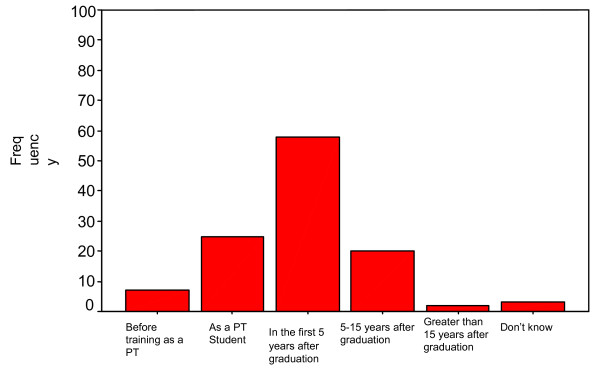
Results: Reported 12- month prevalence of WRMDs among Nigerian physiotherapists was 91.3%. Prevalence of WRMDs was significantly higher in female physiotherapists (p = 0.007) and those with lower body mass index (p = 0.045). The low back (69.8%) was the most commonly affected body part, followed by the neck (34.1%). Fifty percent of the physiotherapists first experienced their WRMDs within five years of graduation and the highest prevalence (61.7%) was found among physiotherapists younger than 30 years. Treating large number of patients in a day was cited by most (83.5%) of the respondents as the most important work factor for their WRMDs. The most commonly adopted coping strategy identified was for the therapists to modify their position and/or the patient's position (64.3%). Majority of the respondents (87.0%) did not leave the profession but 62.6% changed and/or modified their treatment because of their WRMDs.
Conclusion: The prevalence of WRMDs among physiotherapists in Nigeria is higher than most values reported for their counterparts around the world. The coping strategies and work factors of WRMDs among Nigerian physiotherapists are mostly similar to those of their counterparts elsewhere.
Figures
References
-
- Bone and Joint Decade Website http://www.boneandjointdecade.org/default.aspx?Contid=234
-
- Molumphy M, Unger B, Jensen GM, Lopopolo RB. Incidence of work-related low back pain in physical therapists. Phys Ther. 1985;65:482–486. - PubMed
-
- Bork BE, Cook TM, Rosecrance JC, Engelhardt KA, Thomason MEJ, Wauford IJ, Worly RK. Work-related musculoskeletal disorders among physical therapists. Phys Ther. 1996;76:827–835. - PubMed
MeSH terms
LinkOut - more resources
Full Text Sources
