


Impact of source reduction on the spatial distribution of larvae and pupae of Aedes albopictus (Diptera: Culicidae) in suburban neighborhoods of a Piedmont community in North Carolina
- PMID: 18714860
- PMCID: PMC2586910
- DOI: 10.1603/0022-2585(2008)45[617:iosrot]2.0.co;2
Impact of source reduction on the spatial distribution of larvae and pupae of Aedes albopictus (Diptera: Culicidae) in suburban neighborhoods of a Piedmont community in North Carolina
Abstract
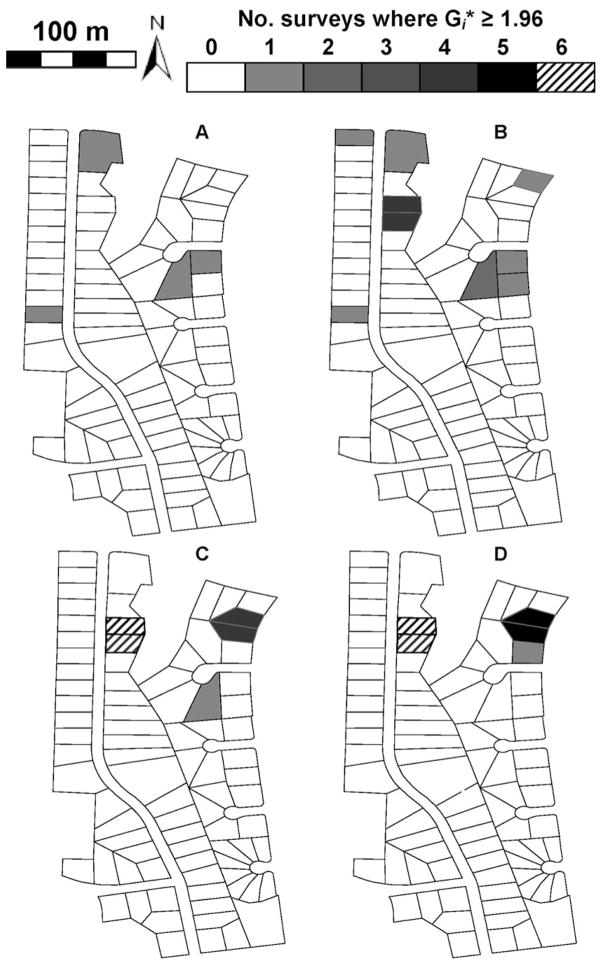
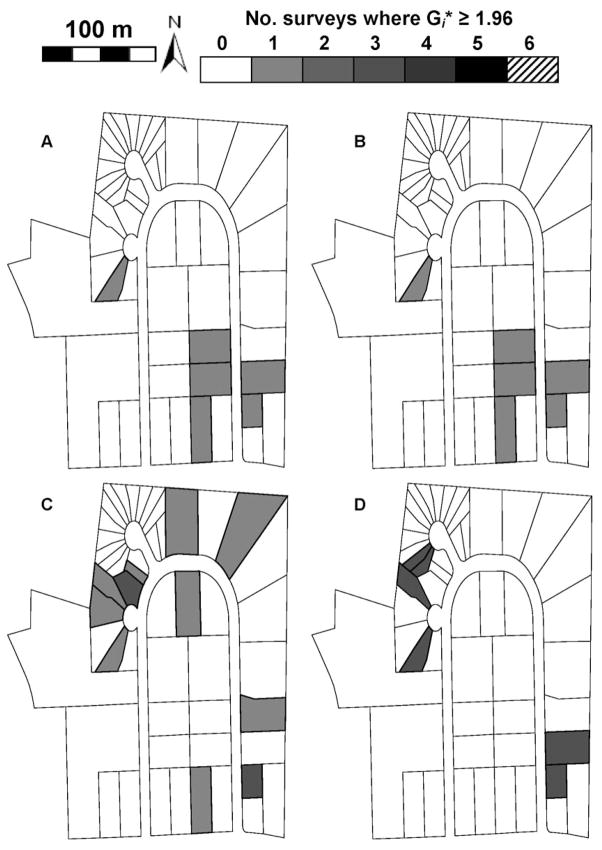
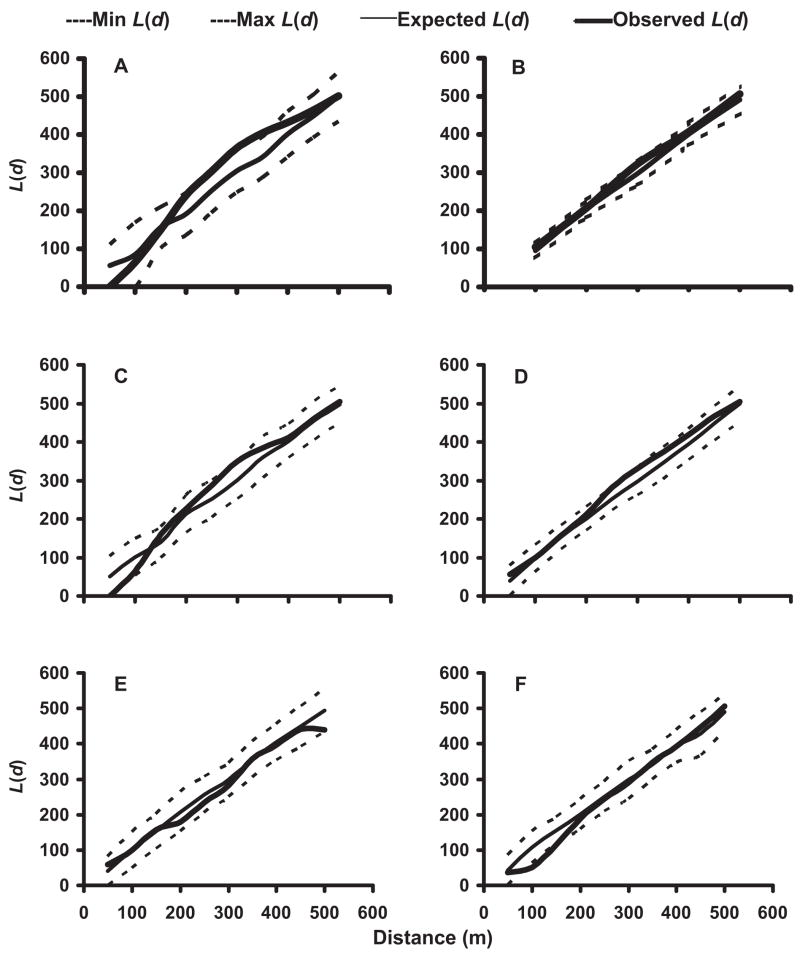
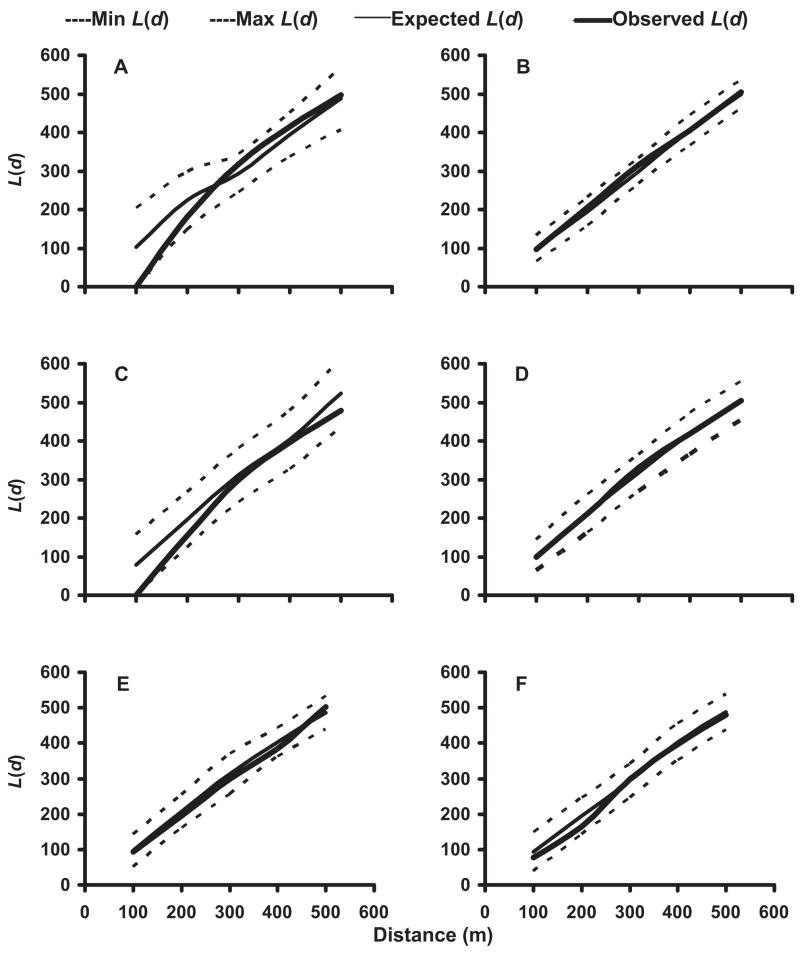
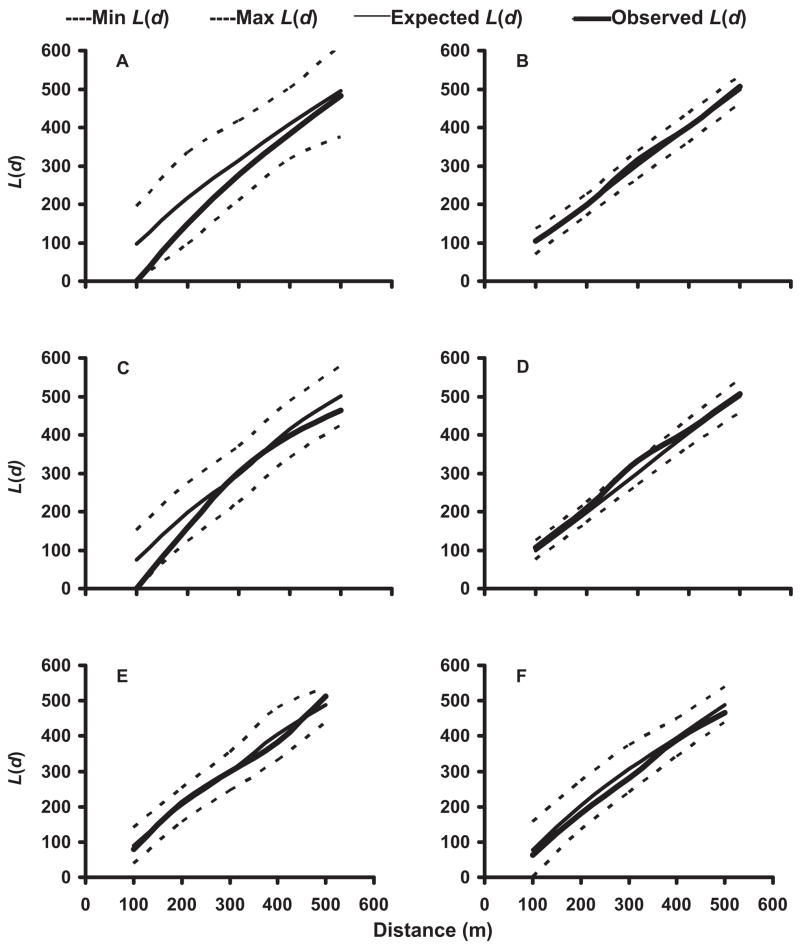
Aedes albopictus (Skuse) is a principal nuisance mosquito species and a potential arbovirus vector throughout its geographic range in the United States. This species lays eggs, and progeny complete development in water-filled containers that are discarded in suburban landscapes. Source reduction of containers, achieved through environmental sanitation, was used to experimentally manipulate mosquito production to gain insight into the spatial structure of the population of immature Ae. albopictus. Our studies were conducted in suburban landscapes in Raleigh, NC, during the 2002 and 2003 mosquito seasons. Spatial analyses, using estimates of the mean and total standing crop of pupae and counts of the numbers of mosquito-positive containers, showed that the distribution of mosquito production was not spatially dependent on a neighborhood-wide basis. However, in all neighborhoods, mosquito production was clustered in at least one and often more than one adjacent residence. Point pattern analyses that considered only the presence or absence of pupae showed that pupae-positive residences were dispersed throughout neighborhoods receiving monthly source reduction treatments and clustered throughout control neighborhoods, indicating that source reduction affected the spatial distribution of pupae. Conversely, spatial analyses based on the presence or absence of larvae and pupae showed that mosquito production was randomly distributed among residences in both control and source reduction neighborhoods, showing that Ae. albopictus recolonized containers within several weeks after source reduction was implemented. Knowledge of the spatial distribution of production sites would allow management efforts for Ae. albopictus to be targeted to residences supporting high levels of mosquito production.
Figures
References
-
- Barker-Hudson P, Jones R, Kay BH. Categorization of domestic breeding habitats of Aedes aegypti (Diptera: Culicidae) in Northern Queensland. Australia J Med Entomol. 1988;25:178–182. - PubMed
-
- Benzon GL, Apperson CS. Reexamination of chemically mediated oviposition behavior in Aedes aegypti (L.) (Diptera: Culicidae) J Med Entomol. 1988;25:158–164. - PubMed
-
- Chadee DD. Key premises, a guide to Aedes aegypti (Diptera: Culicidae) surveillance and control. Bull Entomol Res. 2004;94:201–207. - PubMed
-
- Clements AN. The biology of mosquitoes, vol. 2: sensory reception and behaviour. CABI publishing; Oxford, United Kingdom: 1999.
Publication types
MeSH terms
Grants and funding
LinkOut - more resources
Full Text Sources
