


Effect of 8-hydroxy-2-(N,N-di-n-propylamino)tetralin and MDMA on the discriminative stimulus effects of the classical hallucinogen DOM in rats
- PMID: 18778728
- PMCID: PMC3236028
- DOI: 10.1016/j.pbb.2008.08.013
Effect of 8-hydroxy-2-(N,N-di-n-propylamino)tetralin and MDMA on the discriminative stimulus effects of the classical hallucinogen DOM in rats
Abstract
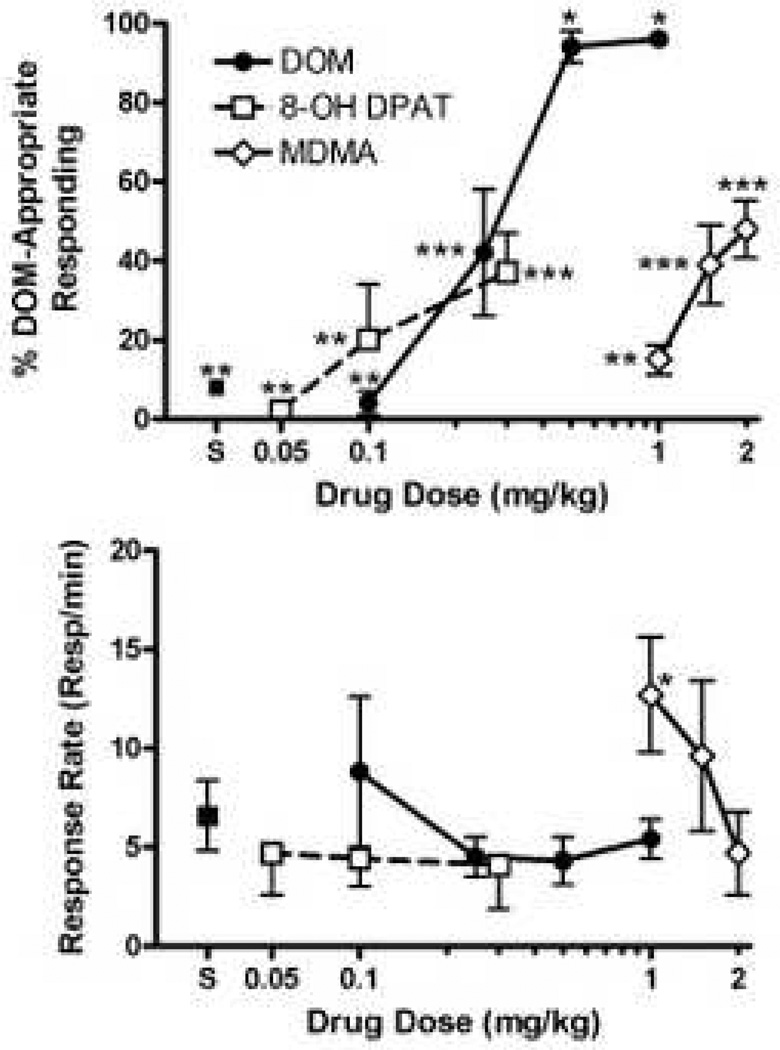
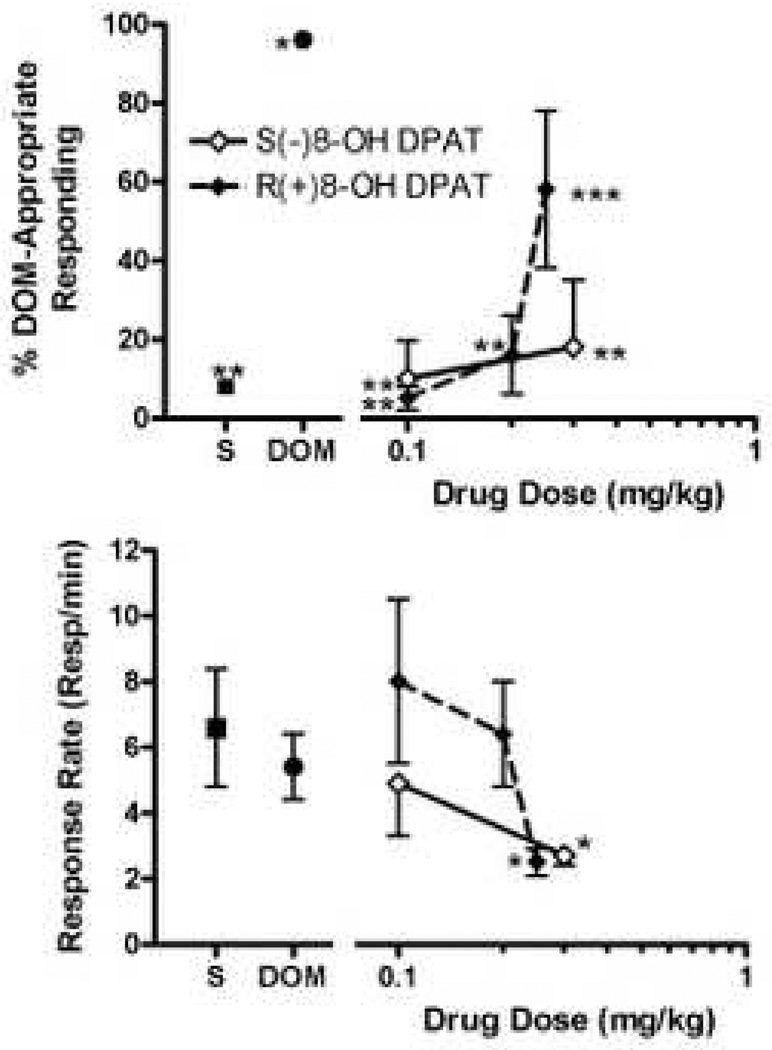
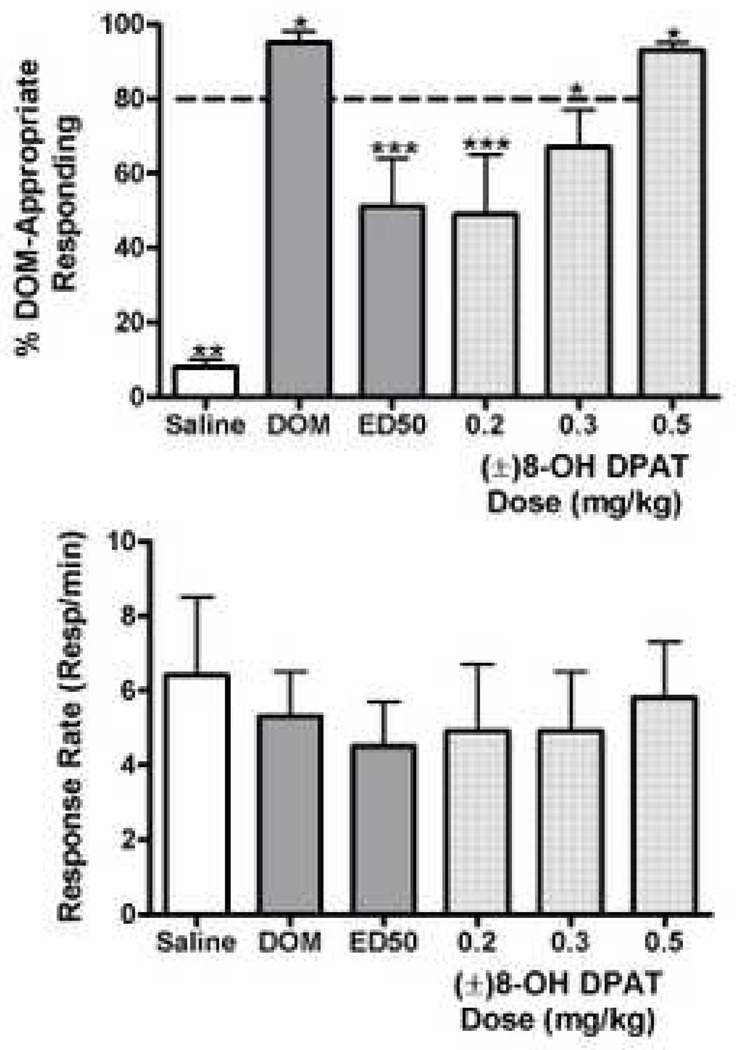
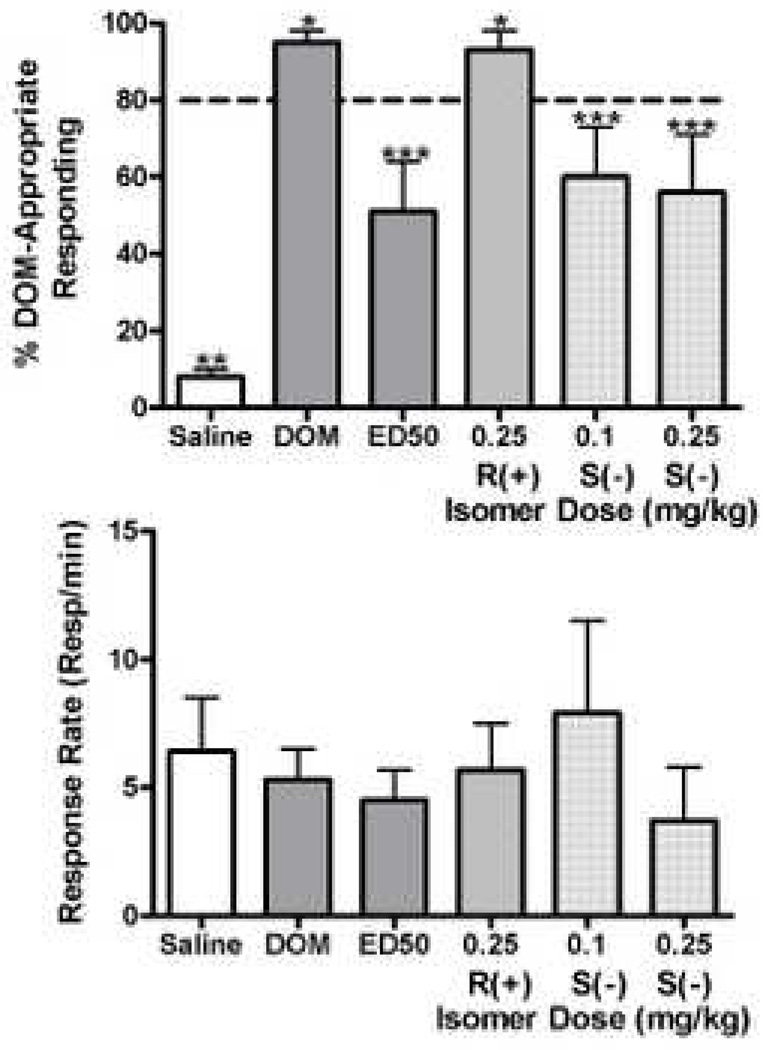
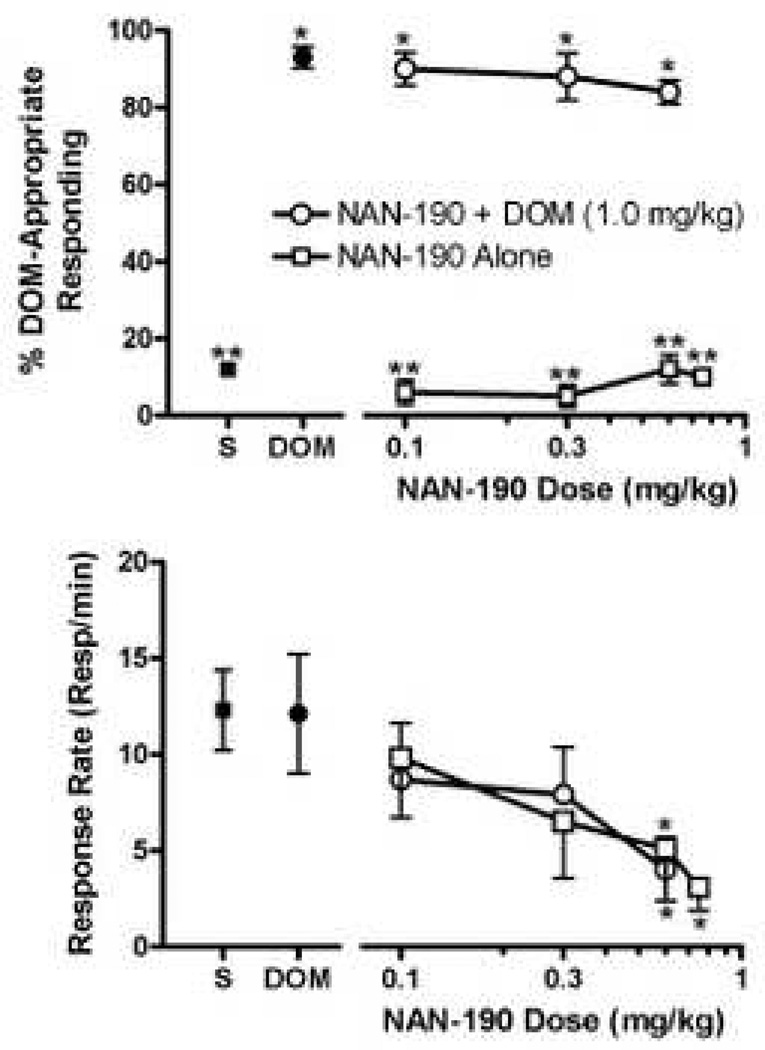
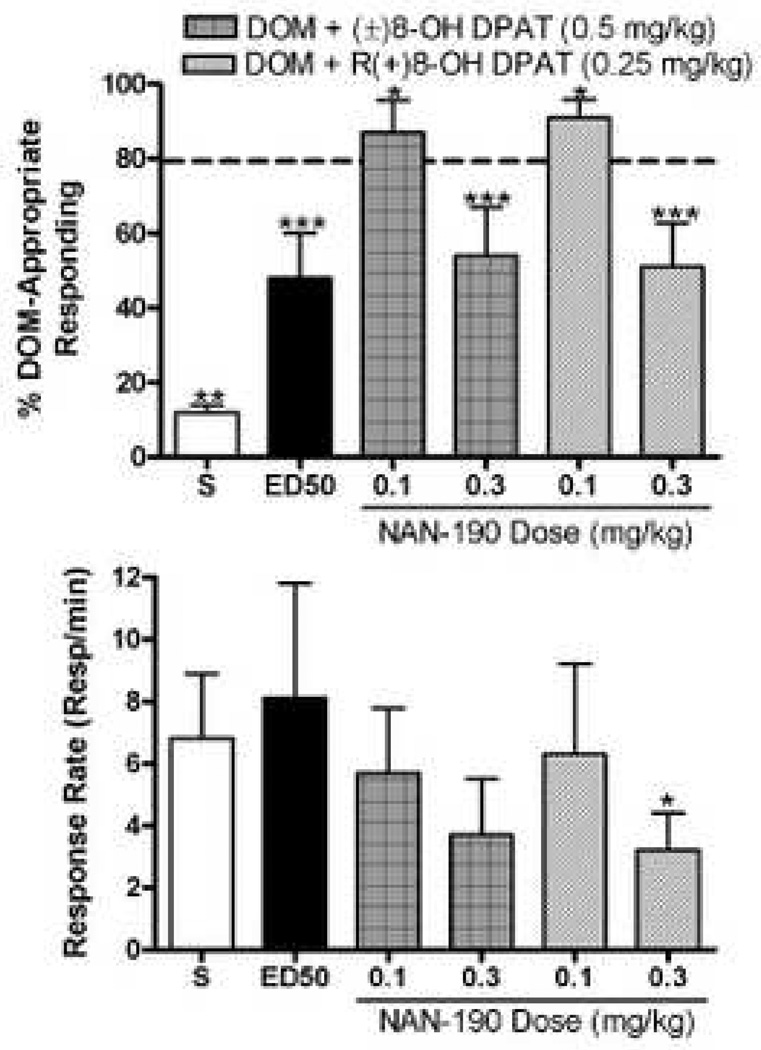
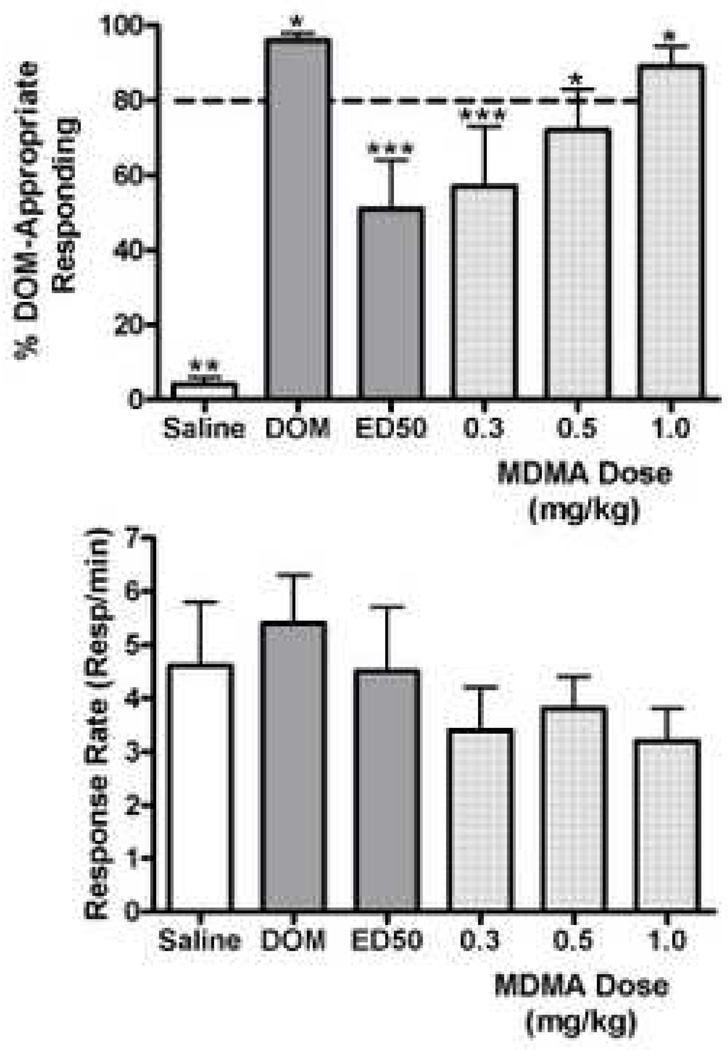
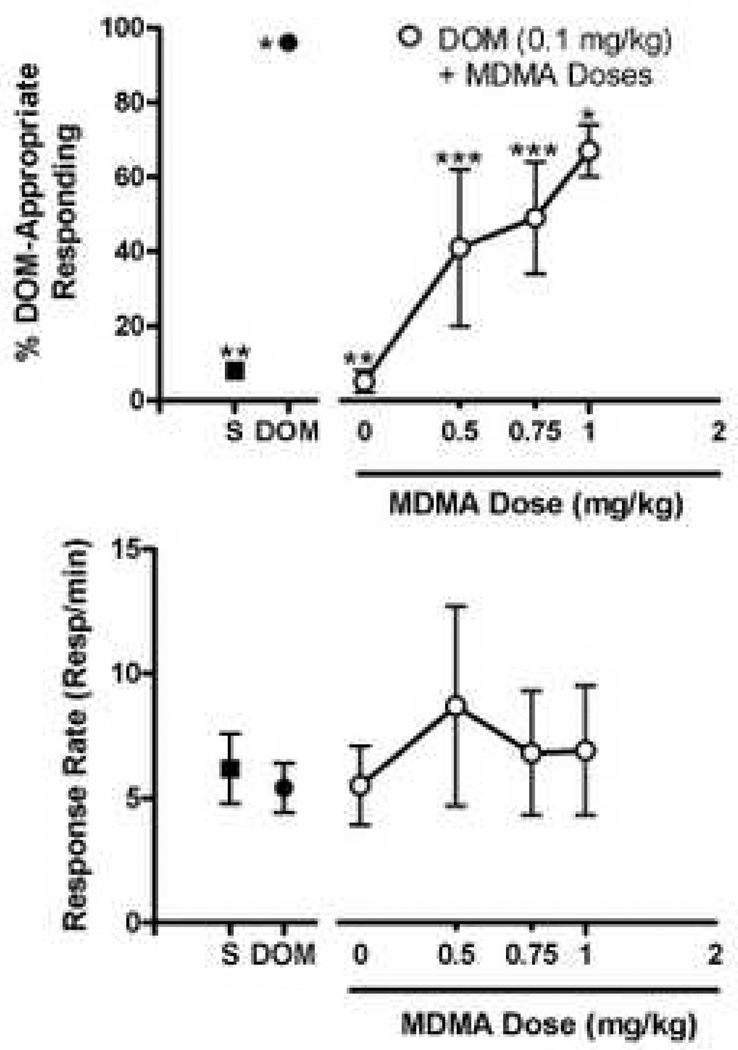
Co-administration of the 5-HT1A serotonin receptor agonist (+/-)8-hydroxy-2-(N,N-di-n-propylamino)tetralin [(+/-)8-OH DPAT] enhances the discriminative stimulus effects of the classical hallucinogen 1-(2,5-dimethoxy-4-methylphenyl)-2-aminopropane (DOM) in rats. In the present investigation, using Sprague-Dawley rats trained to discriminate DOM (1.0 mg/kg) from saline vehicle under a VI-15 s schedule of reinforcement, it was shown that the stimulus-enhancing actions of 8-OH DPAT are related more to its R(+)-isomer than to its S(-)-enantiomer, and that the (+/-)- and R(+)8-OH DPAT-induced effects are antagonized by the 5-HT1A receptor antagonist NAN-190. (+/-)8-OH DPAT and its isomers substitute in rats trained to discriminate the designer drug N-methyl-1-(3,4-methylenedioxyphenyl)-2-aminopropane (MDMA; methylenedioxymethamphetamine) from vehicle indicating some similarity of effect. On this basis, it was hypothesized that MDMA might be capable of enhancing the DOM stimulus. Co-administration of MDMA with low (i.e., 0.1 and 0.3 mg/kg) doses of DOM resulted in greater DOM-appropriate responding than engendered by administration of DOM alone. As such, the present findings are the first to demonstrate an MDMA-induced enhancing effect on the discriminative stimulus actions of a classical hallucinogen. The results also suggest that a 5-HT1A serotonin receptor mechanism might contribute to this phenomenon.
Figures
References
-
- Aguirre N, Ballaz S, Lasheras B, Del Rio J. MDMA (“Ecstasy”) enhances 5-HT1A receptor density and 8-OH DPAT-induced hypothermia: Blockade by drugs preventing 5-hydroxytryptamine depletion. Eur J Pharmacol. 1998;346:181–188. - PubMed
-
- Balster RL, Ford RD. The discriminative stimulus properties of cannabinoids: a review. In: Ho BT, Richards DW III, Chute DL, editors. Drug Discrimination and State Dependent Learning. NY, NY: Academic Press; 1978. pp. 131–147.
-
- Bishop C, Taylor JL, Kuhn DM, Eskow KL, Park JY, Walker PD. MDMA and fenfluramine reduce L-DOPA-induced dyskinesia via indirect 5-HT1A receptor stimulation. Eur J Neurosci. 2006;23:2669–2676. - PubMed
-
- Bonaventure P, Nepomuceno D, Hein L, Sutcliffe JG, Lovenberg T, Hedlund PB. Radioligand binding analysis of knockout mice reveals 5-hydroxytryptamine7 receptor distribution and uncovers 8-hydroxy-2-(di-n-propylamino)tetralin interaction with α2-adrenergic receptors. Neuroscience. 2004;124:901–911. - PubMed
-
- Colpaert FC. Discriminative stimulus properties of narcotic analgesic drugs. Pharmacol Biochem Behav. 1978;9:863–887. - PubMed
Publication types
MeSH terms
Substances
Grants and funding
LinkOut - more resources
Full Text Sources
Other Literature Sources
Medical
Research Materials
