


Elevated systemic antibodies towards commensal gut microbiota in autoinflammatory condition
- PMID: 18779861
- PMCID: PMC2525839
- DOI: 10.1371/journal.pone.0003172
Elevated systemic antibodies towards commensal gut microbiota in autoinflammatory condition
Abstract
Background: Familial Mediterranean fever (FMF) is an autoinflammatory condition, which is characterized by acute, self-limiting episodes of fever and serositis and chronic subclinical inflammation in remission. Here we investigated the consequence of this condition on the level of systemic antibodies directed towards common intestinal bacteria.
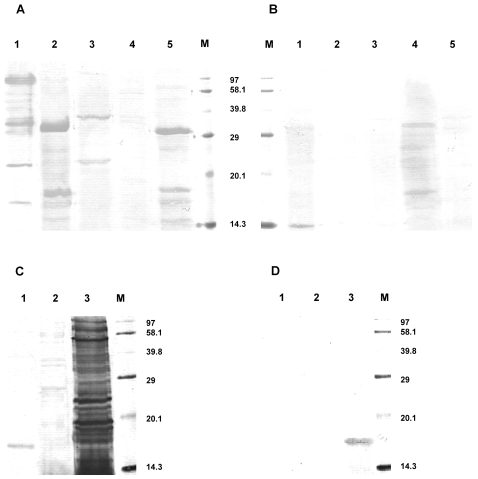
Methodology/principal findings: The level of systemic antibodies towards the antigens of Bacteroides, Parabacteroides, Escherichia, Enteroccocus and Lactobaccilus was measured by ELISA in FMF patients at various stages of the disease and in healthy controls. The difference between remission and attack was not significant. IgG antibodies against the antigens of Bacteroides, Parabacteroides, Escherichia and Enteroccocus were significantly increased in FMF compared to control while IgA levels were not significantly affected. Western blot analyses demonstrated the IgG reactivity against multiple antigens of commensal bacteria in FMF. Serological expression cloning was performed to identify these antigens. No single dominant antigen was identified; the response was generalized and directed against a variety of proteins from Bacteroides, Parabacteroides, Escherichia, and other gut commensals.
Conclusions/significance: This autoinflammatory syndrome is characterized by the increased systemic reactivity against commensal gut microbiota. This is probably the consequence of hypersensitivity of the inflammasome in FMF that triggers the inflammation and contributes to the excessive translocation of bacteria and bacterial antigens through the gut barrier.
Conflict of interest statement
Figures
References
-
- Ting JP, Kastner DL, Hoffman HM. CATERPILLERs, pyrin and hereditary immunological disorders. Nat Rev Immunol. 2006;6:183–195. - PubMed
-
- Centola M, Wood G, Frucht DM, Galon J, Aringer M, et al. The gene for familial Mediterranean fever, MEFV, is expressed in early leukocyte development and is regulated in response to inflammatory mediators. Blood. 2000;95:3223–3231. - PubMed
-
- Diaz A, Hu C, Kastner DL, Schaner P, Reginato AM, et al. Lipopolysaccharide-induced expression of multiple alternatively spliced MEFV transcripts in human synovial fibroblasts: a prominent splice isoform lacks the C-terminal domain that is highly mutated in familial Mediterranean fever. Arthritis Rheum. 2004;50:3679–3689. - PubMed
-
- The International FMF Consortium. Ancient missense mutations in a new member of the RoRet gene family are likely to cause familial Mediterranean fever. Cell. 1997;90:797–807. - PubMed
-
- The French FMF Consortium. A candidate gene for familial Mediterranean fever. Nat Genet. 1997;17:25–31. - PubMed
Publication types
MeSH terms
Substances
LinkOut - more resources
Full Text Sources
Other Literature Sources
Molecular Biology Databases
Miscellaneous
